University of Waterloo and Cohere develop AI transformation certificate with 20 co-op positions
The non-credit program is scheduled to launch in fall 2026, with its first cohort starting in January 2027 and co-op positions available to students from any faculty

The University of Waterloo and Cohere are developing a non-credit certificate focused on AI transformation and change management.
The University of Waterloo is adding workplace AI transformation to its co-op model through a non-credit certificate developed with Cohere, with 20 structured positions planned for the program’s first cohort in January 2027.
Led by Waterloo’s Future of Work Institute, the AI Transformation and Change Management certificate will train students to identify organizational bottlenecks, discover and prioritize AI use cases, and support implementation work. The co-op positions will involve private, public-sector and nonprofit organizations.
The partnership will support the development and launch of the certificate in fall 2026. Cohere is investing in the Future of Work Institute to help shape the program, although the university’s announcement does not disclose the size or terms of that investment.
Dr. Edith Law, Executive Director of the Future of Work Institute and Associate Professor of Computer Science, positions organizational problem-solving as the program’s starting point.
“AI adoption is not the point, but solving problems is,” Law says. “Through this certificate program we will train students to think critically about bottlenecks, processes and challenges in organizations, and tackle these problems by designing socio-technical solutions with organizations.”
Certificate combines badges with workplace projects
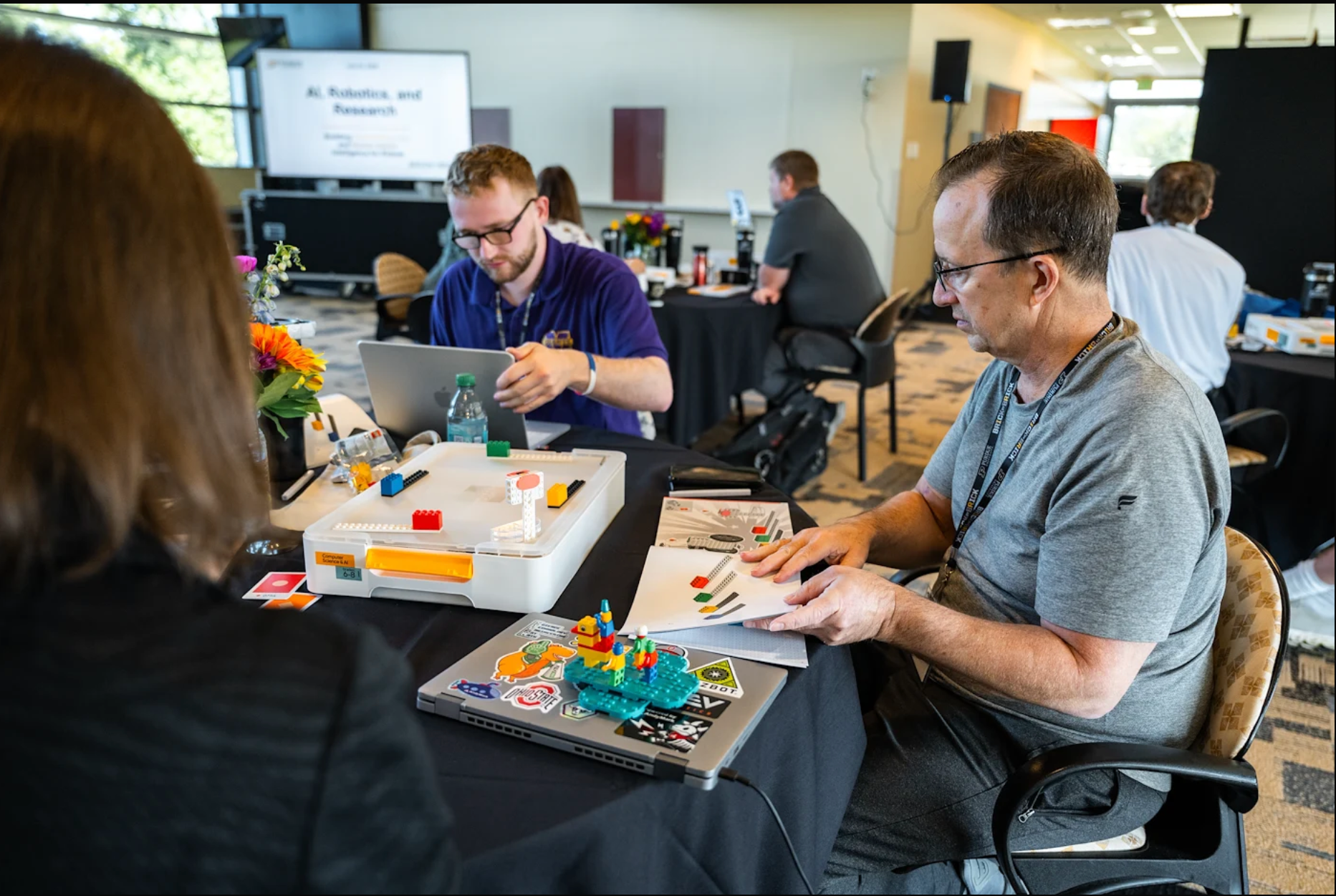
The non-credit certificate will consist of badges earned through hands-on learning, workplace experience and collaborative problem-solving.
Modules will cover human-centered design, ethics, change management and business strategies. Waterloo says participants will encounter technologies from different companies rather than work within a single technology environment.
Students will also develop AI competency while working with organizations on use-case discovery, prioritization and implementation. The institute expects the resulting approaches to include both technological and non-technological changes, with AI used as part of the mix.
The structured co-op opportunities are intended to give students practical experience while allowing Waterloo and its partners to refine the program based on what they learn. Law describes the initiative as “a living lab, where our students do AI transformation work, while finding new ways to evolve the process so that it is more impactful, responsible and meaningful.”
Development has been led by the Future of Work Institute in collaboration with Waterloo’s Centre for Work-Integrated Learning and the GreenHouse Social Impact Incubator.
Cohere links program to Canada’s AI workforce
Cohere says it develops AI technology for regulated industries including finance, health care, manufacturing and the public sector.
Chief AI Officer Joelle Pineau also has a direct connection to Waterloo’s co-op system. In a LinkedIn post, she wrote: “I went through the coop experience at the University of Waterloo myself (SYDE class of '98), and each of those work terms had a profound influence on my career, and lead me to my work today, building AI frontier technology.”
The certificate is scheduled to launch in fall 2026, followed by the first cohort and its 20 guided co-op positions in January 2027. Waterloo has not provided an application deadline or named the participating placement organizations.