The National University of Singapore brings ChatGPT Edu and Codex to all students, faculty and staff
Campus-wide access begins this month, while teaching integration will start with selected course pilots before a wider undergraduate rollout
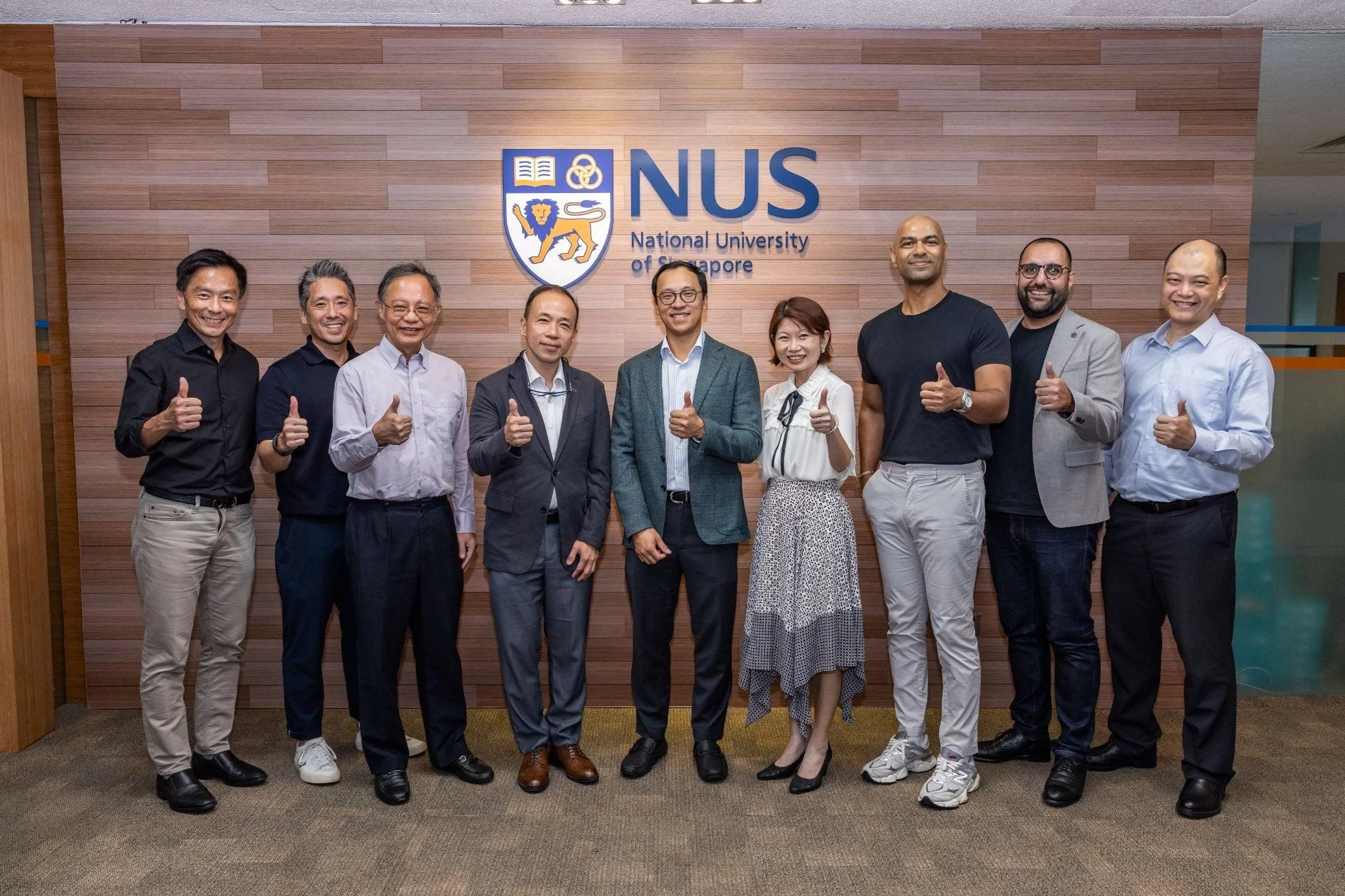
Representatives from NUS and OpenAI mark the expansion of their collaboration across teaching, research and AI development.
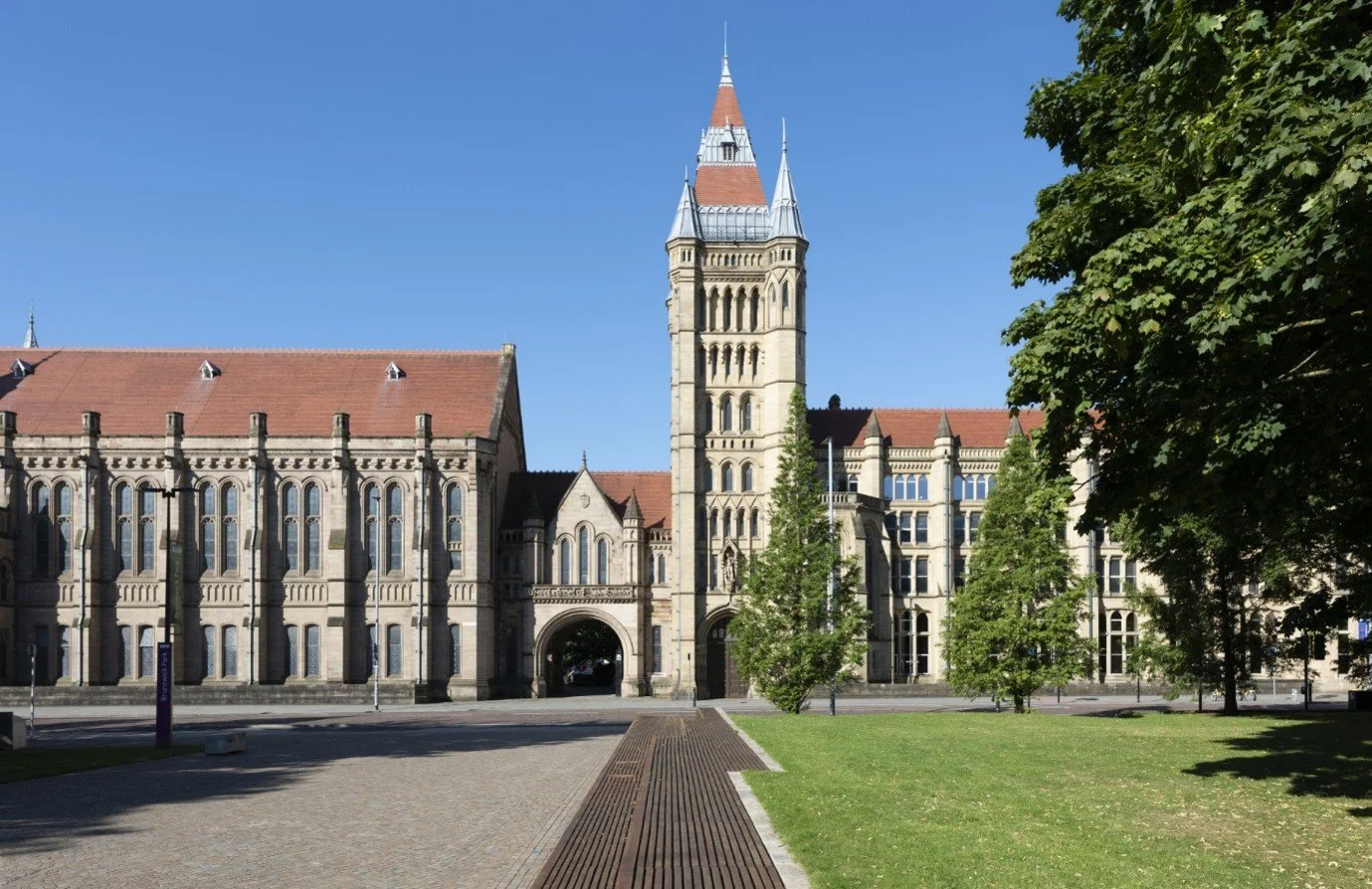
The National University of Singapore (NUS) has expanded its collaboration with OpenAI to provide ChatGPT Edu and Codex to every student, faculty member and member of staff, moving an existing relationship with the NUS School of Computing into an institution-wide deployment.
Access to the two AI tools will begin this month and include enterprise-level security and controls. The agreement also covers teaching pilots, student hackathons, faculty projects and potential joint research between NUS and OpenAI.
The availability of institutional accounts does not mean immediate integration across every course. ChatGPT Edu will initially be tested in selected courses before being introduced into undergraduate programs where the university determines that it can support specific learning objectives. No timetable has been provided for that wider course rollout.
OpenAI’s products will also operate alongside AI-Know, an AI platform developed internally by NUS, as the university applies the technology across education, research and administration.
Professor Aaron Thean, Deputy President for Academic Affairs and Provost of NUS, says the university intends to use the products to support, rather than displace, human capabilities: “We aim to leverage these advanced AI technologies not as replacements, but as powerful amplifiers of human intellect, creativity and judgment.”
Building with AI across NUS
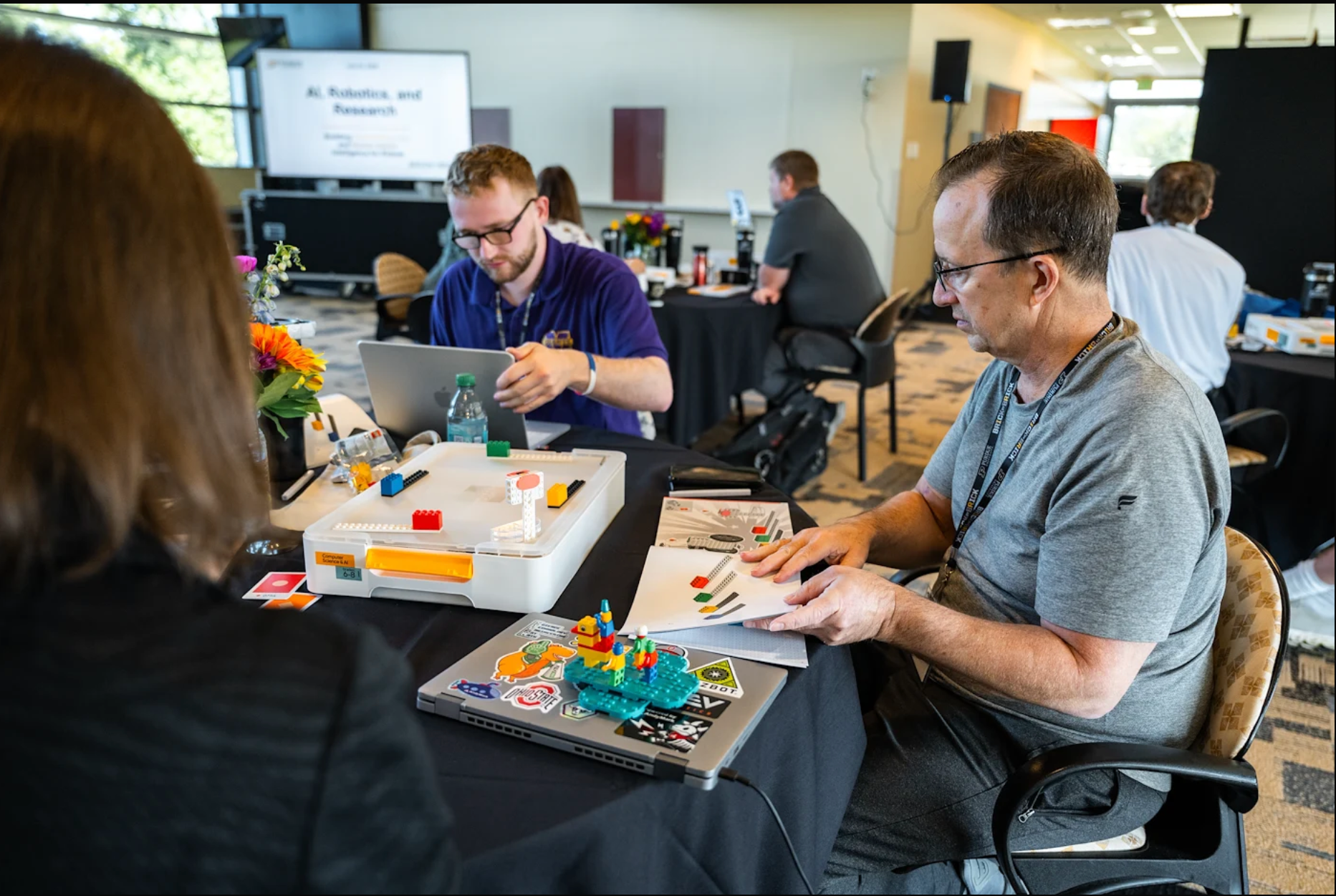
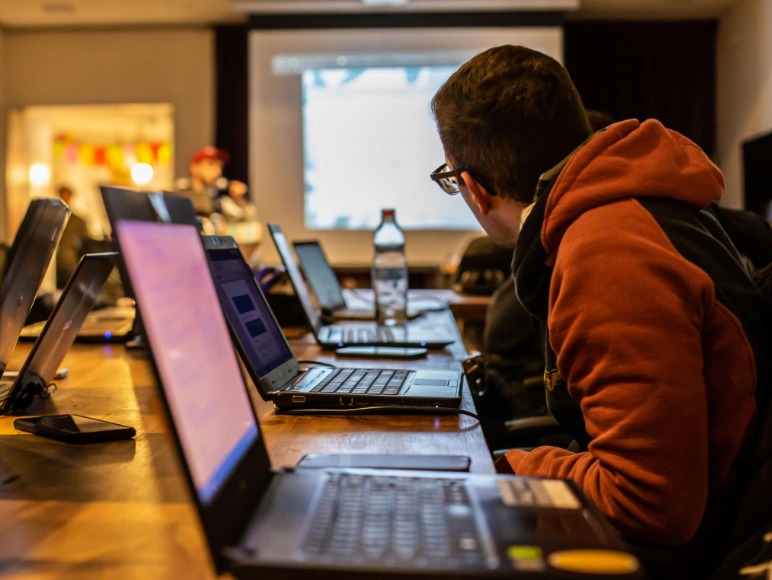
Students from different disciplines will be able to take part in hackathons and build days focused on practical problems. The collaboration also includes opportunities to connect with OpenAI’s international networks and communities.
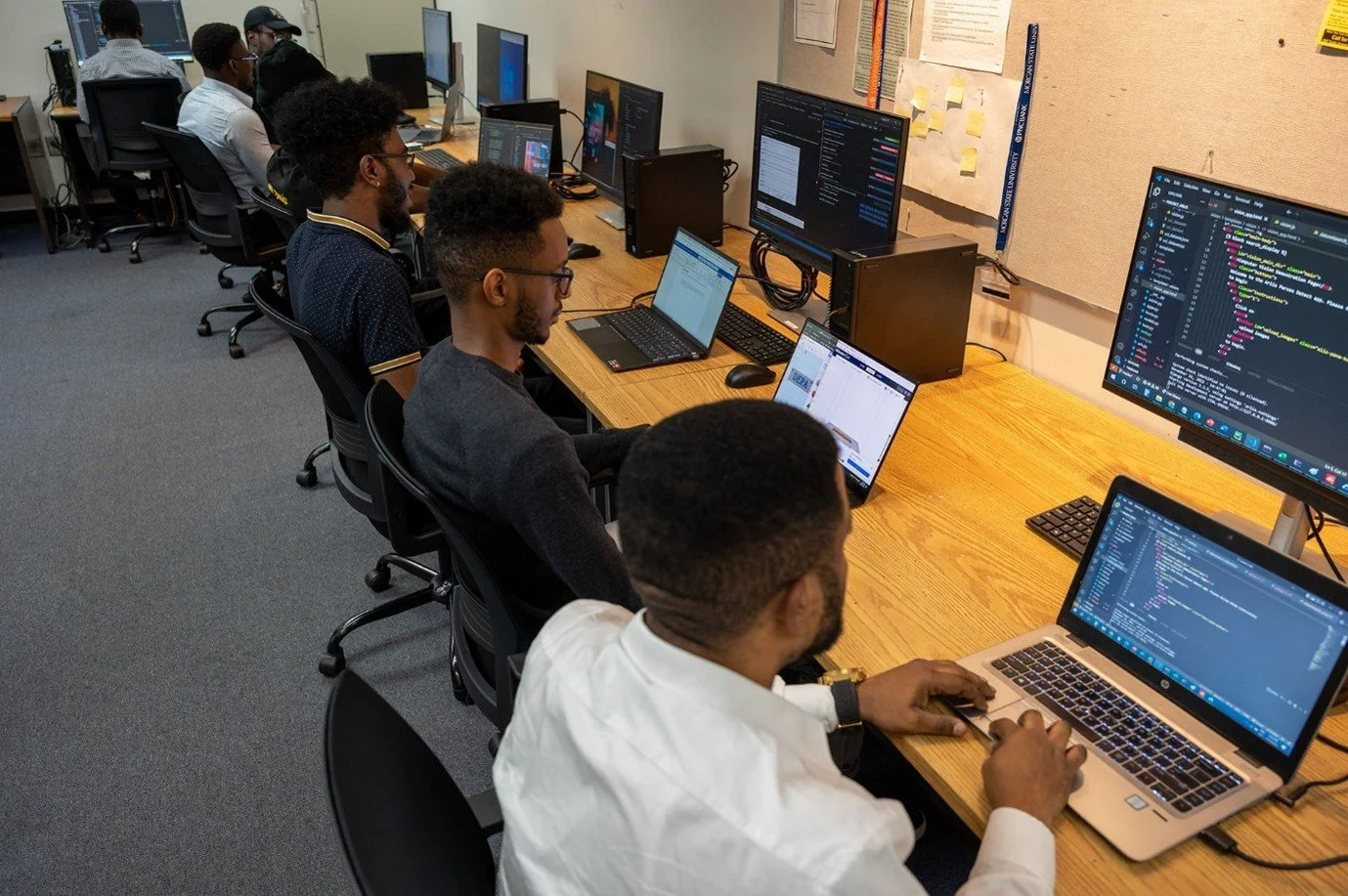
Faculty members have already tested Codex through a hackathon held with the NUS School of Computing. One group produced Video Assessment Coach, which converts recordings of student performances into focused feedback linked to evidence. Another created Continuum, a knowledge graph designed to organize meeting notes, discussions and decisions.
A separate project shows how the tools are being used in university research.
Gao Bin, a postdoctoral researcher in Computer Science at the NUS School of Computing, worked with colleagues to create a system called Research Brain. The team had been spending time locating and organizing information distributed across research papers, technical reports, white papers, blogs and GitHub repositories.
Built using Codex and OpenAI models available through NUS, Research Brain regularly finds, reads and organizes those materials. It places text and figures into a searchable knowledge base where the researchers can compare methods, identify connections between papers and examine possible research directions.
The tool was a side project intended to support the team’s primary research rather than its main area of study. OpenAI says Codex enabled the researchers to build the system while continuing their other work, although no measures of time saved or research outcomes were supplied.
Singapore students report frequent AI use
OpenAI announced the NUS agreement alongside a survey of 514 university students in Singapore. Pureprofile conducted the research on OpenAI’s behalf between August 3 and 7, 2026, surveying students aged 18 and over who were studying on campus or remotely.
The respondents were university students across Singapore, rather than an NUS-only sample.
Of those surveyed, 94% said they used AI several times a week or more, including 55% who used it multiple times each day. OpenAI also found that approximately 43% of ChatGPT use among people aged 18 to 24 in Singapore was related to learning and education.
The findings indicate a strong demand for practical experience. Ninety-five percent of respondents wanted more opportunities to use advanced AI tools on real-world university projects, while 88% were interested in building an AI application, product or company during university.
More than one-third, 35%, said they had already built an AI agent or assistant to help manage their studies, work or personal lives.
Students also connected AI skills with employment. Eighty-one percent believed those skills would give Singaporean graduates an advantage in the global workforce, while 77% considered them essential to success in their chosen careers. Another 84% expected AI literacy to become as fundamental as digital literacy, writing and numeracy.
Research and workforce plans in Singapore
NUS researchers and OpenAI teams will explore further research collaborations covering the development and responsible application of AI. The organizations have not yet identified individual projects, research leads or delivery dates.
The university agreement also sits within OpenAI for Singapore, a multi-year collaboration with the Singapore government intended to expand access to AI and develop the country’s applied AI capabilities.
OpenAI plans to hire more than 200 people for applied technology and technical success positions in Singapore over the coming years. Its Singapore-based employees already include NUS School of Computing graduates Jordan Seow and Sharan Thangavel, who work as Forward Deployed Engineers.
Campus-wide access to ChatGPT Edu and Codex will begin in August 2026. Formal teaching use starts more narrowly, through selected course pilots, before any wider introduction into NUS undergraduate programs.