Nearly half of California teens who use AI chatbots say more places to meet would reduce their use
A survey of 1,088 young people found face-to-face time remained the preference, while cost, limited free time, transportation and unwelcoming spaces restricted access

California Partners Project surveyed 1,088 teenagers about face-to-face connection, AI chatbot use and access to places where they can spend time together.
California Partners Project has published research showing that many teenagers using AI chatbots for friendship or social advice still prefer face-to-face connection, with access shaped by cost, transportation, time and whether local spaces feel welcoming.
Among teens who had used an AI chatbot, 47.8% said they would use the technology less if more opportunities to connect in person were available. Almost half, 49.6%, said talking to a chatbot felt emotionally safer than speaking to another person.
The findings appear in Belonging in a Digital Age: Teens, Tech, & Third Places, which draws on an online survey of 1,088 California teens ages 13 to 18 and six virtual focus groups involving 36 parents and caregivers. Data were collected between September and November 2025.
The study defines “third places” as settings beyond home and school where young people can meet, relax and spend time together. It found that 87.9% of respondents considered seeing friends in person important, while 52.8% wanted more face-to-face connection.
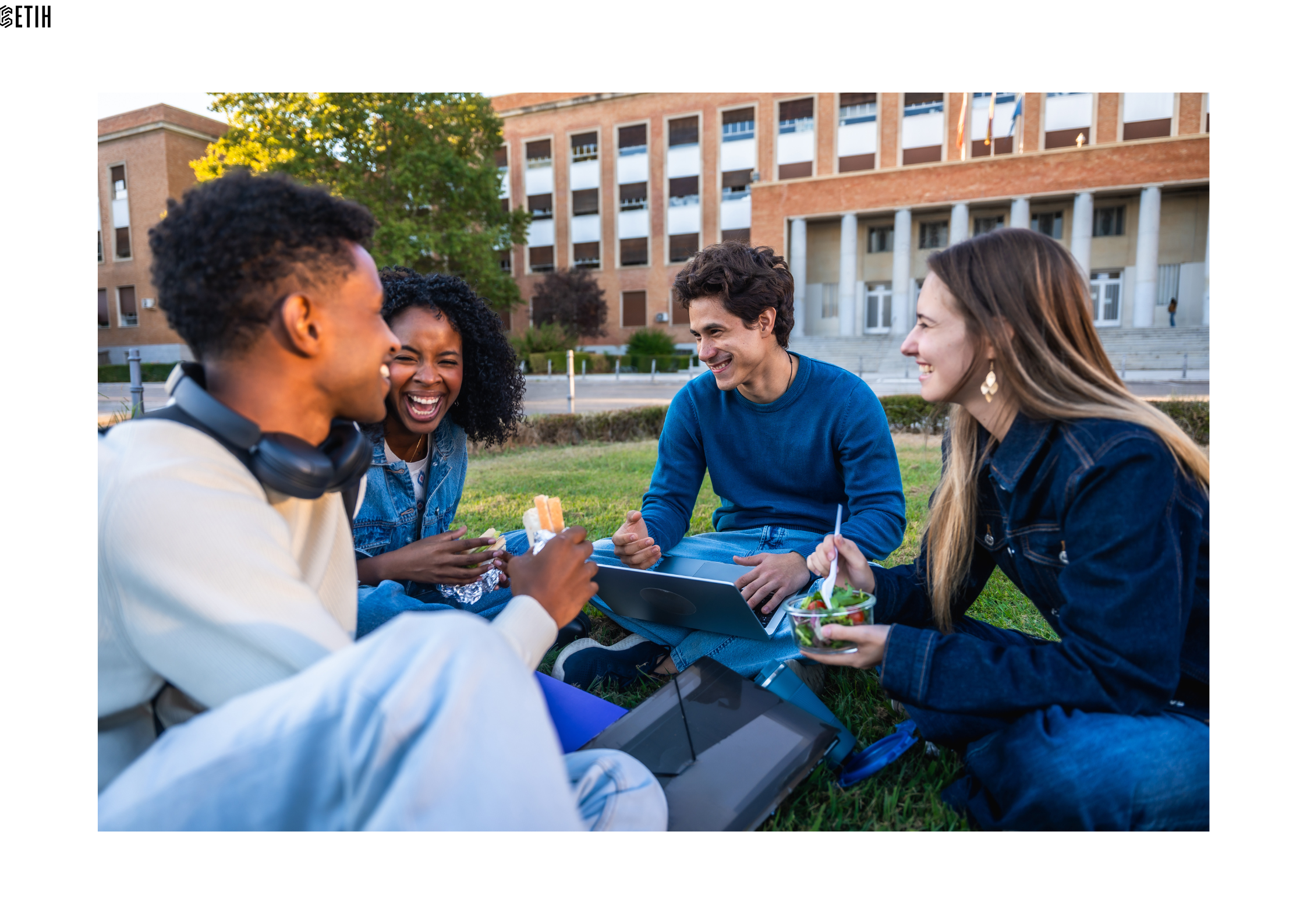
Unstructured time was the clear preference. Almost 70% chose informal in-person hangouts, compared with 16.9% who preferred organized activities and 11.5% who favored online interaction.
One 17-year-old boy wrote: “I have known my online friends for 8 years now... I’d rather meet in person and do fun things than talk through the phone and play video games, but it is what it is I guess.”
AI chatbot use was higher among teens who felt unsafe or unwelcome
More than half of respondents, 54.3%, reported experiencing some degree of loneliness during the previous month. Loneliness did not always mean complete isolation. Among teens who felt mostly lonely, 52.8% had still spent unstructured time with friends in person during the previous week.
The study reports an overall AI chatbot usage rate of 36.7% among teens who gave a valid response to a question about using the technology for friendship or social advice. That increased to 48.1% among teens who felt mostly lonely.
Among mostly lonely chatbot users, 41.2% said they had turned to the technology because nobody was available to speak to them.
The strongest differences appeared when researchers compared chatbot use with the barriers preventing teenagers from meeting in person. Usage reached 57.3% among teens who said they did not feel safe in available spaces and 48.2% among those who did not feel welcome.
By comparison, 34% of teens who said there were no places nearby reported using chatbots, slightly below the overall baseline. The results identify an association between belonging and chatbot use, but do not establish that feeling unwelcome caused young people to use the technology.
Cost, free time and transportation restrict access
Cost was the most commonly reported barrier to spending time outside home or school, selected by 47.9% of respondents. Friends being unavailable followed at 42.3%, while 40.3% cited insufficient free time and 39.2% reported a lack of transportation.
More than one in four, 27.8%, said their parents or caregivers would not let them go out.
When places did meet their needs, teenagers used them. Malls were visited by 58% of respondents during the previous month, followed by friends’ homes at 57% and unstructured hangout spaces at 54%.
Asked what made a place feel suitable for teenagers, 59.8% selected free or low-cost access, 56.1% chose having friends there and 54.7% cited safety. Activities were selected by 52.6%, while 49.2% considered food important.
Almost three in 10 respondents, 29.4%, had stopped going somewhere because it did not feel safe or accepting of who they were.
The survey records intentions, not changes in behavior
The English-language survey initially received 1,125 responses. After incomplete or invalid submissions were removed, the final analytical sample contained 1,088 teenagers. Of these, 76% attended public schools.
California Alliance of Boys & Girls Clubs recruited 67% of participants. The remaining 33% came through community organizations, schools and youth networks. Survey questions were optional, meaning the number of valid responses varied between findings.
Aura sponsored the research and worked with California Partners Project on survey design and analysis. Jennifer Heifferon led the project, with survey development by Heifferon and Karen Goetz. Survey data were analyzed by Aura, California Partners Project and Sunny Xun Liu.
The survey was co-designed with 24 youth advisers ages 15 to 25 from 22 California ZIP codes. Caregiver focus-group analysis also involved the Family Online Safety Institute and Stanford Social Media Lab.
The 47.8% figure records what respondents believed they would do. It does not demonstrate that opening additional gathering places would reduce their chatbot use in practice.
California Partners Project recommends investment in transportation, free programming and inclusive spaces designed with young people. It also calls for drop-in time, food and family engagement from organizations serving teenagers.
The study identifies public libraries as having the greatest unused potential of the places measured. While available near 43% of respondents, those teenagers had not visited one during the previous month.