How online schools handle special education services
Providing the best education for students with special needs is importantto any online school. Modern virtual schools have developed robust systems to provide personalized instruction that meets every child's unique requirements.

How do online schools handle special education services? This guide draws on insights from Commonwealth Charter Academy (CCA), an online charter school for Pennsylvania residents with 31% special education enrollment. Here’s what it has found works best.
How Do Online Schools Approach Special Education Services?
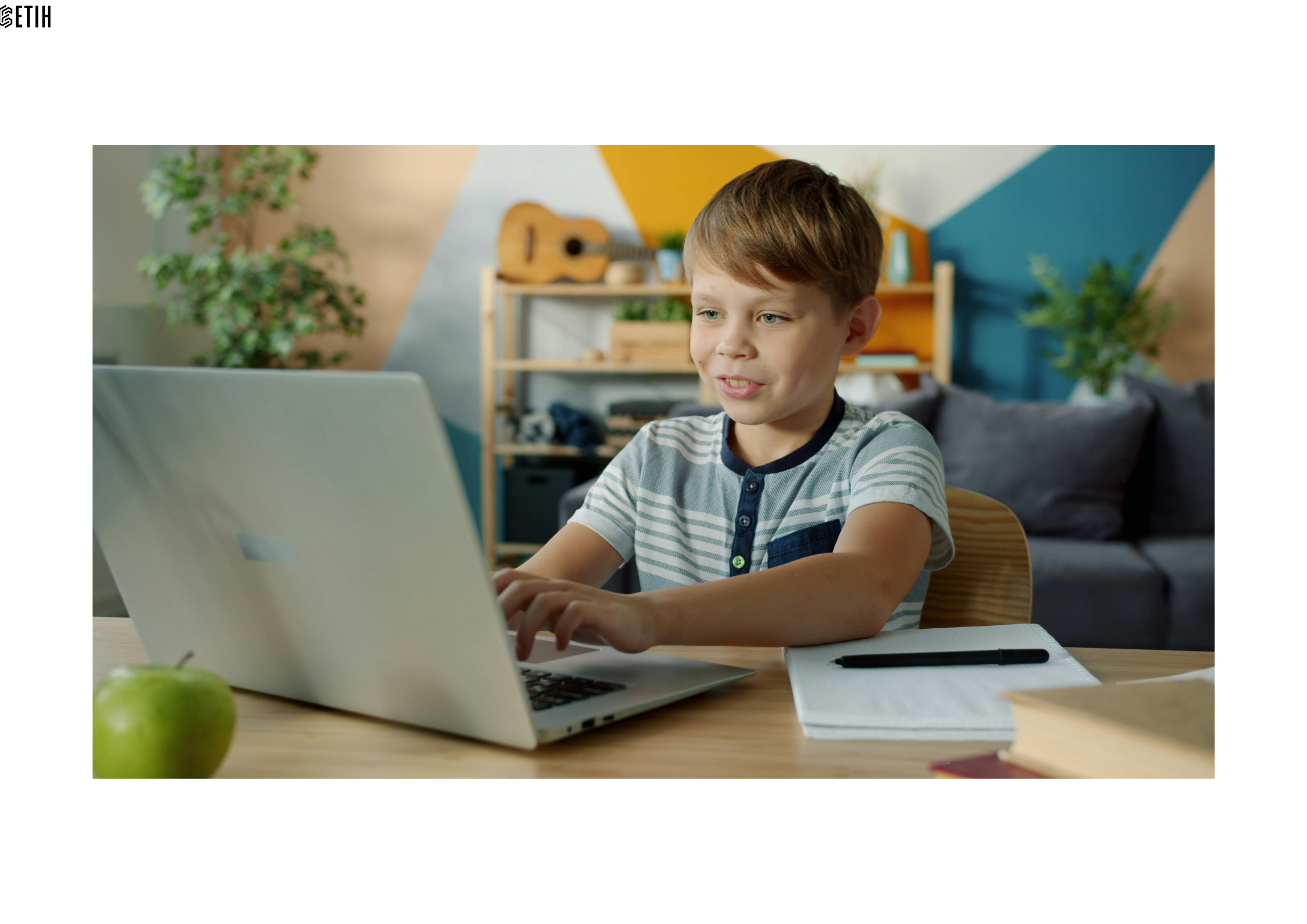
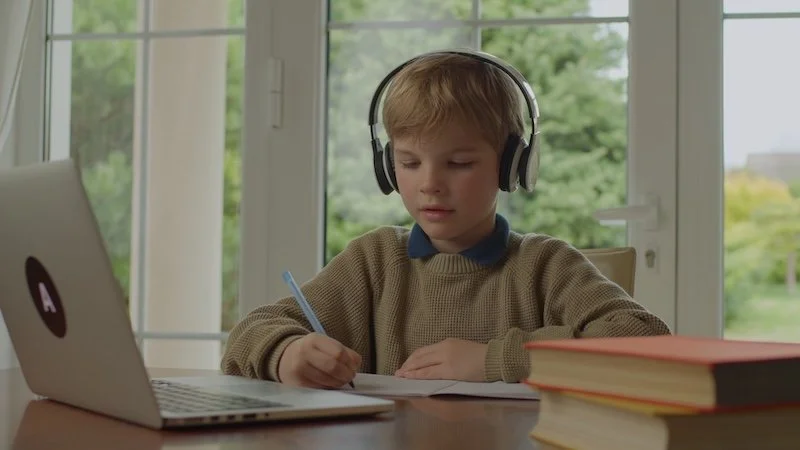
Virtual learning means that children can learn from the comfort of their own home. “With online special education classes, parents witness what their child is being taught,” explains CCA. “[They] do not have to worry about [their] child becoming upset and not understanding why. This is especially important for students with verbal and other communication challenges.”
Individualized Support in a Virtual Setting
Online platforms allow students to work on their personalized education at their own pace. Children with special needs can spend extra time on challenging subjects without feeling rushed or singled out. “Because all lessons are recorded, students who require different pacing can rewatch lessons to fully grasp what is being taught,” notes CCA.
The virtual environment offers multiple ways to present information through video, text, interactive modules and hands-on activities. Many students benefit from learning in a quieter environment where they can focus without the sensory overload of a busy classroom.
Access to Qualified Special Education Teachers
Accredited online public schools employ certified teachers who are experts in both special education and virtual instruction methodologies. These professionals understand how to use technology to deliver effective, personalized support. They're trained to adapt lessons and communicate effectively in a digital environment while meeting the specific needs outlined in each student's education plan. At charter schools like CCA, this education comes at no cost to families.
How Do Virtual Schools Comply With an IEP or 504 Plan?
Online schools handle special education services just like brick-and-mortar schools and are legally required to follow the same regulations. The Individuals with Disabilities Education Act (IDEA) guarantees a student's right to a free appropriate public education (FAPE). This means the school must provide special education and related services designed to meet the child's unique needs and prepare them for future success.
An online school will fully adhere to the student’s individualized education program (IEP), and parents are vital members of the IEP team. Together with staff, they review the existing IEP and determine how each service and accommodation will be delivered in the virtual setting. This collaborative process ensures the school provides every service outlined in the plan while adapting for the online environment.
What Does One-on-One Support Look Like in an Online Environment?
One-on-one attention remains a priority in quality online programs. For that reason, teachers deliver individualized support through scheduled video sessions, real-time feedback and personalized instruction plans. Research shows that live interactions with teachers are positively linked to higher pass rates for students with special needs in online settings. This demonstrates that quality virtual programs prioritize real-time connection and interaction.
Utilizing Small Groups and Individual Check-ins
Teachers use virtual breakout rooms for small group instruction, just as they would in a physical classroom. These sessions allow for targeted instruction on specific skills. One-on-one sessions with teachers, aides or specialists are scheduled regularly based on a student's IEP requirements.
How Are Related Services Like Speech Therapy Handled?
Teletherapy has become a standard and effective practice for delivering related services. Students who have special needs can receive speech therapy, occupational therapy and counseling through secure online platforms.
Licensed speech-language pathologists, occupational therapists and counselors meet with students via secure video calls. “These experts might meet with [a] child individually or co-teach during class time,” explains CCA. The sessions are scheduled during the school day, making it easy to integrate services without additional travel or scheduling conflicts.
Coordinating With a Family’s Own Service Providers
Online schools regularly work with external service providers. The flexible nature of virtual schooling can make scheduling outside appointments easier than in a traditional setting. Parents can arrange therapy sessions during times that work best for their family without worrying about missing classroom instruction.
How Is a Child's Progress Monitored Virtually?
Online schools use multiple methods to track progress toward IEP goals. At CCA, students are supported through the Multi-Tiered System of Supports model, which allows for targeted academic, behavioral, emotional and social interventions. “These interventions are formulated by data-driven decision-making and involve the student’s full academic team of teachers, school counselors and administration,” the school states.
Parents play an important role as Learning Coaches in the online school environment. The school provides resources, training and regular communication to help them succeed in this partnership. Families receive guidance on supporting their child’s daily learning activities, and regular check-ins with teachers and support staff keep everyone on the same page.
What Technology and Accessibility Tools Are Available?
Virtual schools provide built-in accessibility tools that support diverse learning needs. Text-to-speech readers allow students to hear written content aloud. Speech-to-text software helps kids who struggle with writing to express their ideas verbally. Digital highlighters and note-taking tools assist with organization and comprehension.
Frequently Asked Questions
Educators often have questions about how online schools handle special education services.
Do children receive the same legal protections in an online school?
Accredited online public schools must follow IDEA and provide FAPE just like traditional ones. A student's IEP or 504 Plan remains in full effect, and the school is legally required to deliver all outlined services and accommodations.
Can a child get therapy services through an online school?
Students receive related services like speech therapy, occupational therapy and counseling through teletherapy. Licensed professionals conduct one-on-one sessions via secure video platforms using interactive tools designed for virtual delivery.
How will parents know if their child is making progress?
Teachers track progress through digital portfolios, regular assessments and data from the education platform. Parents stay in close contact as learning coaches, receiving regular updates through videoconferences, progress reports and direct communication with the student's education team.
Supporting Every Child’s Needs
Modern online schools deliver high-quality special education services with full legal protections. The combination of qualified teachers, proven technology and flexible delivery makes virtual education a strong option for many students with special needs. Educators can be confident that online education can meet and exceed legal requirements, enabling every child to thrive.