US Energy Department outlines up to $100 million critical minerals workforce initiative
PROSPECT aims to double graduates in mining, minerals and related supply-chain degrees within two years
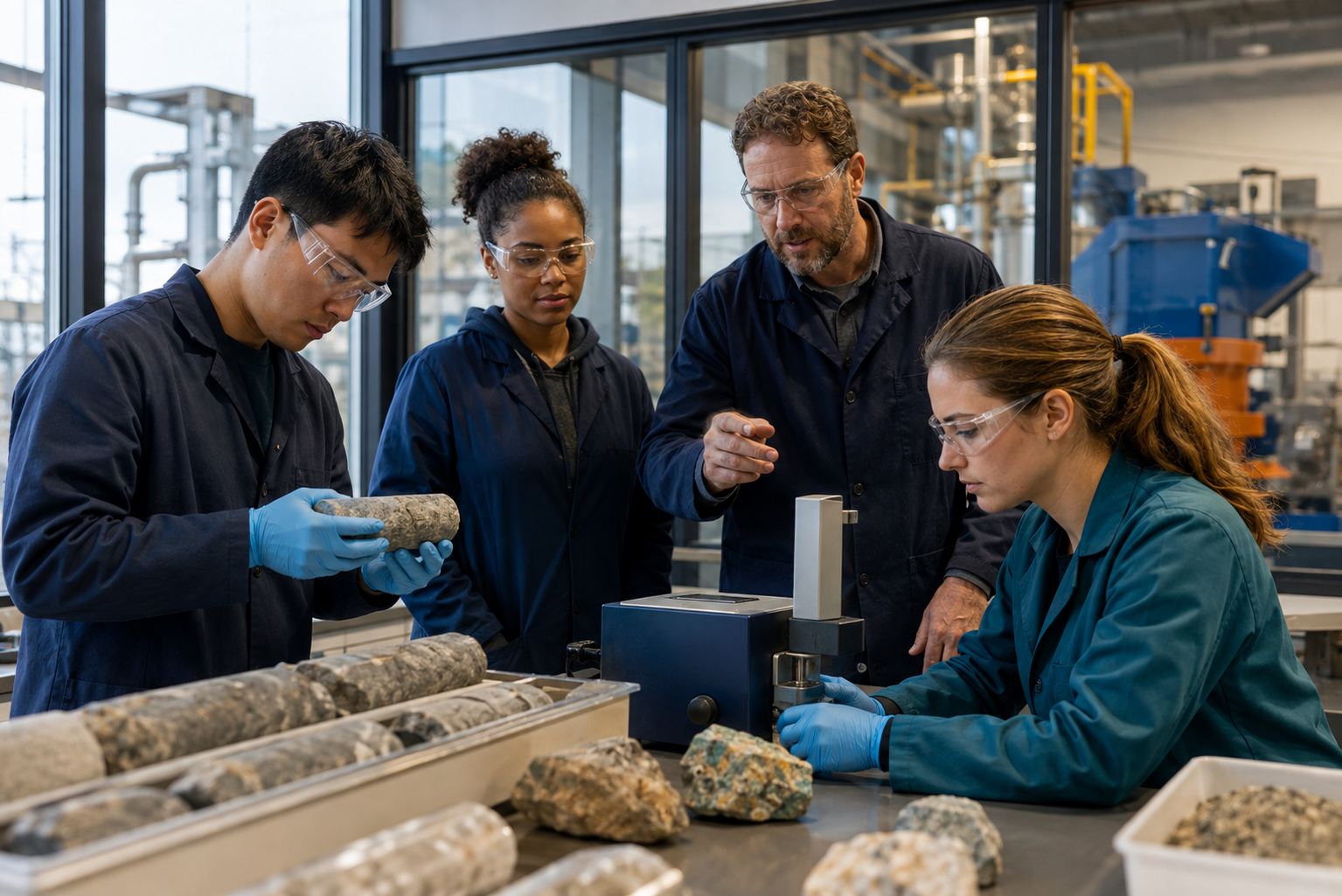
DOE’s proposed PROSPECT initiative would support higher education pathways into critical minerals production, processing, recovery and recycling
The U.S. Department of Energy’s Office of Critical Minerals and Energy Innovation has announced a Notice of Intent for a nationwide program of up to $100 million to expand the workforce supporting critical minerals production, processing, recovery and recycling.
The Providing Opportunities for Specialized Education in Critical Technologies initiative, known as PROSPECT, is intended to address shortages that the department says are constraining U.S. supply chains serving energy, advanced manufacturing and national defense.
Its near-term target is to double the number of graduates completing degrees related to mining, minerals and associated supply-chain technologies within two years. Over the longer term, DOE plans to support new curricula, teaching tools, financial-aid programs and other incentives intended to sustain growth in those fields.
Figures supplied by the department show that enrollment in U.S. mining programs has fallen by approximately 45% since 2015. DOE estimates that the mining sector alone will require about 6,000 new engineers over the next decade. It also identifies shortages in materials science, processing and recycling, although no equivalent workforce estimates are provided for those areas.
Scholarships and curricula anchor the plan
PROSPECT would fund efforts to attract university students to careers supporting different stages of the critical minerals supply chain. Scholarships, financial assistance and initiatives to strengthen relevant higher education programs are among the proposed uses of the funding.
The program covers a wider workforce than mining engineers. DOE identifies geologists, miners, technicians, metallurgists, materials scientists, manufacturers and other specialists among the occupations needed to develop domestic supply chains.
The department says addressing the shortages will require coordination among government, universities and industry, alongside updated curricula and greater awareness of mining careers.
U.S. Secretary of Energy Chris Wright says: “A strong domestic mining and minerals workforce is essential to powering America's future, strengthening our national security, and ending our dependence on foreign adversaries for the materials that underpin modern energy, manufacturing, and defense.”
Assistant Secretary of Energy Audrey Robertson adds: “PROSPECT invites them to work at the intersection of cutting-edge science and their country’s highest strategic priorities. This unprecedented investment in the critical minerals workforce will funnel homegrown talent into fulfilling, high-demand careers at the forefront of America’s industrial renaissance.”