OpenAI Academy runs K-12 AI Skills Jams for more than 1,600 US educators
The two-month series focuses on ready-to-use ChatGPT workflows for lesson planning, special education, family communication and school administration
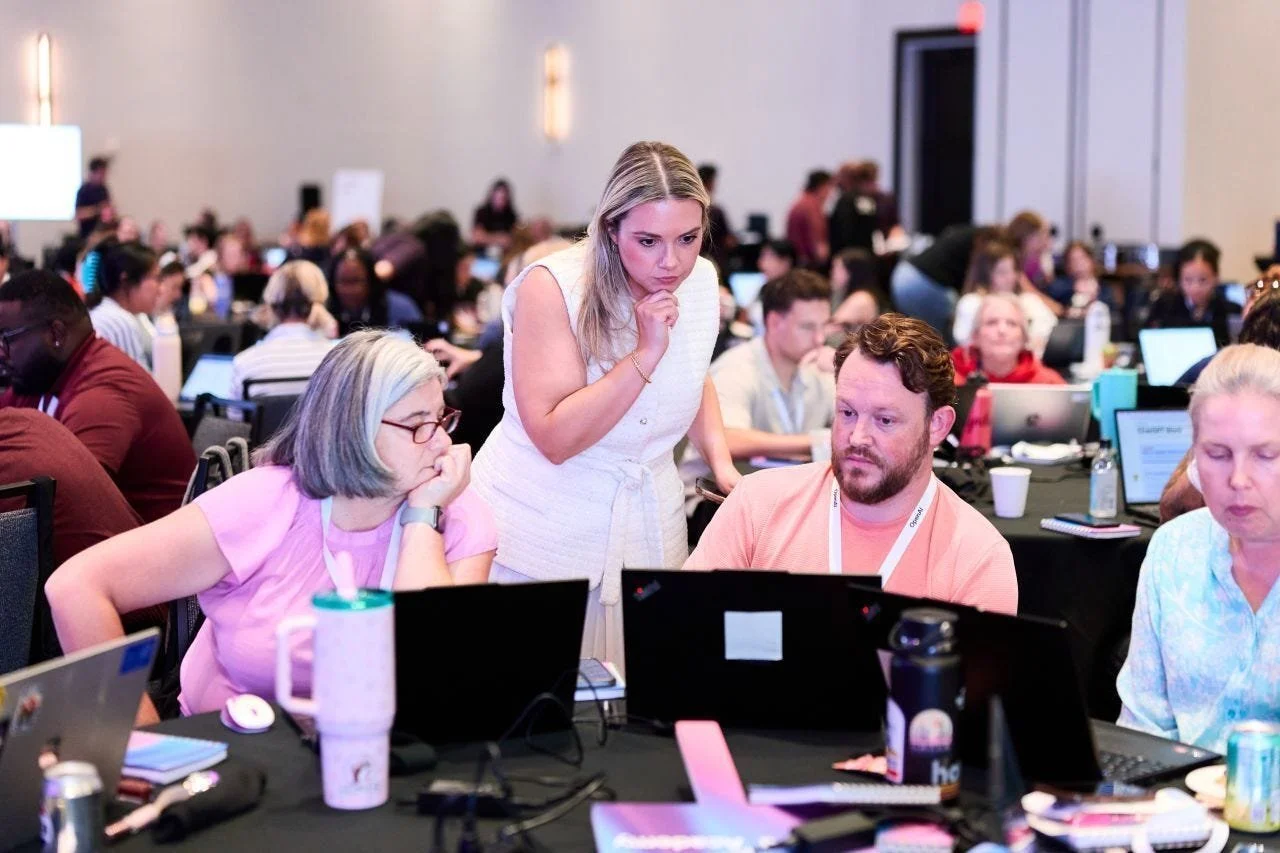
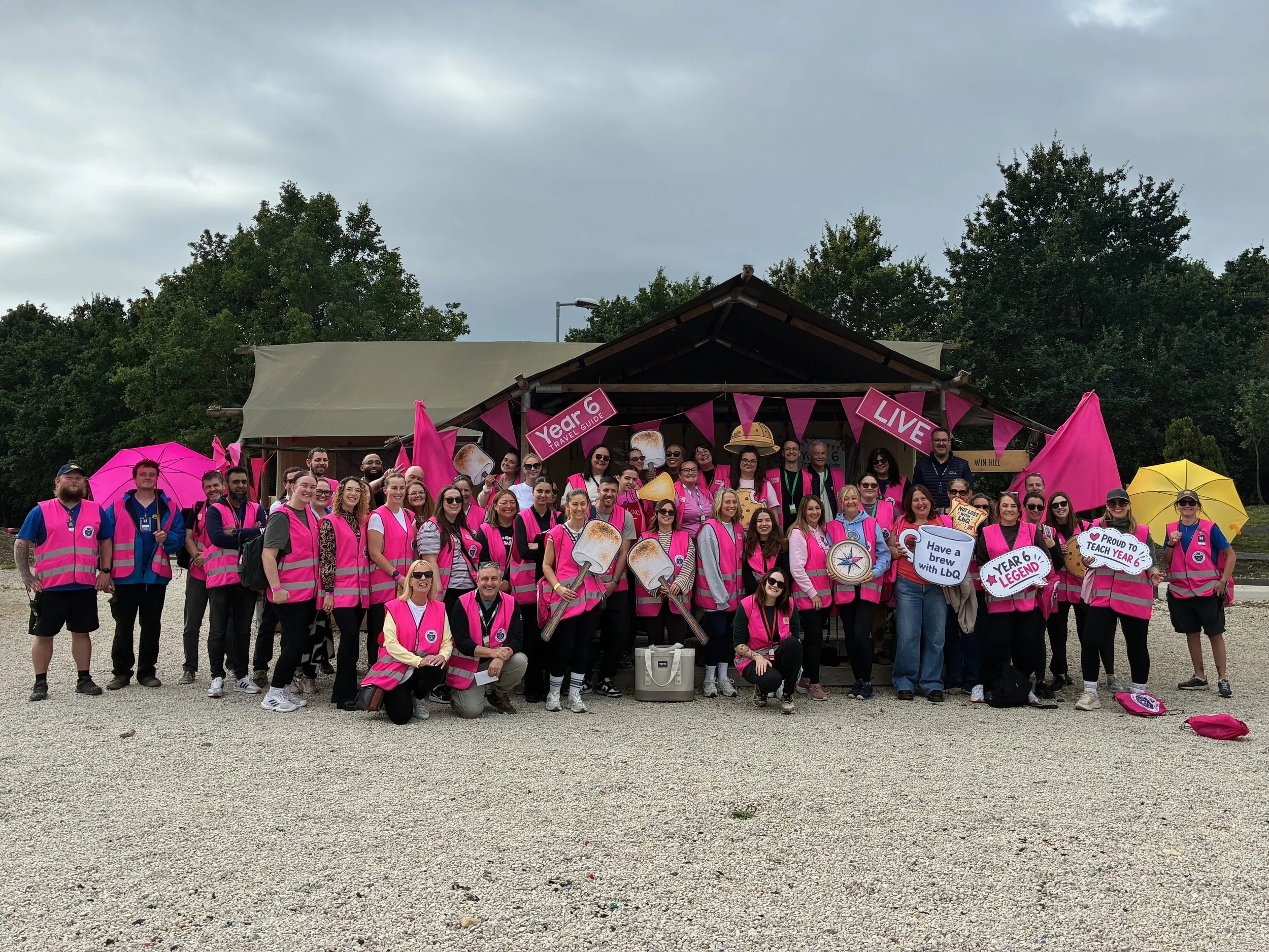
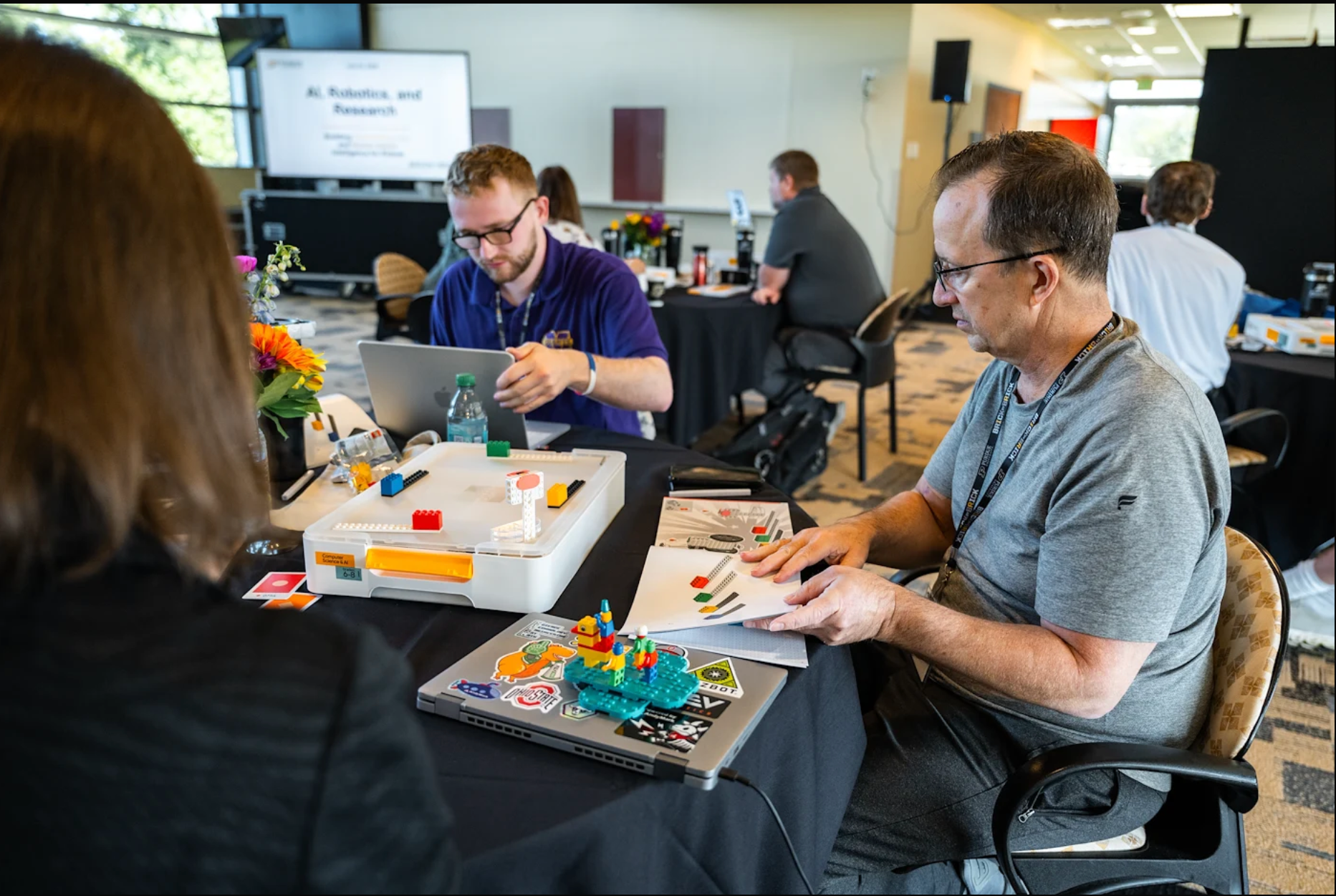
OpenAI Academy’s K-12 AI Skills Jams give educators time to develop and share practical ChatGPT workflows.
OpenAI Academy is running a two-month series of AI Skills Jams for more than 1,600 K-12 teachers, administrators and support staff across the United States, placing practical classroom and district workflows at the center of its educator training.
The series began in Jonesboro, Georgia, before visiting Fairfax, Orlando, the Chicago area, San Bernardino and Phoenix. Salt Lake City and Las Vegas were also named as stops.
Participants work with OpenAI mentors, district partners and other educators, with the aim of leaving each session with at least one usable AI workflow, prompt or classroom idea. OpenAI says the workshops have covered lesson planning, family communication, administrative tasks and initial work with ChatGPT Work.
The format also encourages educators to turn their ideas into prompt cards containing three elements: the proposed use, the prompt and an explanation of how it could help.
At the sixth stop in Phoenix, more than 220 educators explored applications including Individualized Education Program documentation, classroom visuals, anchor charts and lesson plans for substitute teachers working with limited materials.
Lindsey Thames, a fourth-grade teacher, demonstrated how assessment data could be used to form student groups and identify possible interventions at the beginning of the school year.
Adapting grade-level materials for students with learning differences
The inaugural Jam in Jonesboro brought together more than 170 teachers from Clayton County Public Schools, a Georgia district serving 50,000 students.
Ava Morton, an eighth-grade special education teacher at Babb Middle School, described using ChatGPT to help students with ADHD, dyslexia, autism and other learning differences access texts including Romeo and Juliet and the Gettysburg Address.
“ChatGPT helps me meet all of my students where they need to be,” she commented.
For a Shakespeare unit, Morton can present the original text alongside a modern version and another adapted to a student’s reading level. She also uses ChatGPT to divide complex materials into smaller sections, produce comprehension questions and find alternative explanations when a concept is not landing.
Morton estimated that the technology saves her at least five hours of planning each week. She also drafts family communications in English before translating them into languages including Spanish and Vietnamese.
“If a lesson is not going as intended, I may take a short little break and check in with Chat to see how I can refine this in the moment,” Morton said. “It can help me make sure I can reach those students and rephrase how I’m teaching or saying things.”
She positioned the technology as a source of ideas and reflection rather than a replacement for classroom expertise.
“It functions more as a teacher’s assistant, and in some instances as a coach,” Morton said. “It gives me ideas, and it gives me a chance to go back, reflect, and adjust what I’m doing.”
Antonio Ellis, STEM Coordinator at the Michelle Obama STEM Elementary Academy, described using ChatGPT to translate complex classroom materials into Spanish, Vietnamese and other languages.
“These AI tools are not here to replace us as teachers, because we’re the experts in the classroom,” Ellis said. “It’s an assistant that can take on other kinds of tasks.”
OpenAI also cited research from the Walton Family Foundation and Gallup in which teachers using AI at least weekly estimated that they saved 5.9 hours per week. The figure is based on teachers’ estimates, while the Jam examples are educator accounts and demonstrations rather than evaluations of student outcomes.
District 211 extends training beyond teaching staff
The Skills Jam held outside Chicago highlighted a district-wide approach extending beyond teachers and administrators.
Township High School District 211, which serves more than 12,000 students, has trained librarians, athletic trainers, hall monitors, bus drivers and other staff members to use ChatGPT. According to OpenAI, the district became the first US K-12 school district to partner with the company and receive an institutional enterprise version of ChatGPT in October 2024.
Christina Ordonez, Technology Department Chair at Hoffman Estates High School, said the district wanted students to receive consistent advice from adults about responsible AI use.
“We wanted to make sure that no matter what adult students talked to about their use of AI, that person knew how to use it, how to speak about it, and how to help students think through whether they were using it responsibly,” Ordonez said.
Examples shared by OpenAI included an athletic trainer who created a custom GPT for staff across five schools to produce consistent reports on sessions with student athletes. A librarian used ChatGPT to build an escape room that sent students searching for information across different sources, while bus drivers explored alternative responses when students ignored instructions to remain seated.
Classroom applications ranged from science simulations to student media projects. Chemistry and physics teacher Karl Craddock uses ChatGPT to simulate experiments normally conducted in a physical laboratory and create three-dimensional models of magnetic fields and other concepts that can be difficult to represent on a whiteboard.
“You can take something that you thought of on the car ride, make it in ChatGPT, and have it live and ready to use before school even starts,” Craddock said.
Jonathan Schaefer uses ChatGPT to handle coding and technical work for student animation and video game projects, allowing students to take creative direction roles without first learning programming. LaShaunda Sandifer used it to review more than 200 novels by the race and gender of their authors and main characters, identify representation gaps and recommend other books.