Google adds vibe coding course to AI Professional Certificate
The course teaches learners without coding experience to build, test and deploy apps using natural-language instructions and Google AI Studio
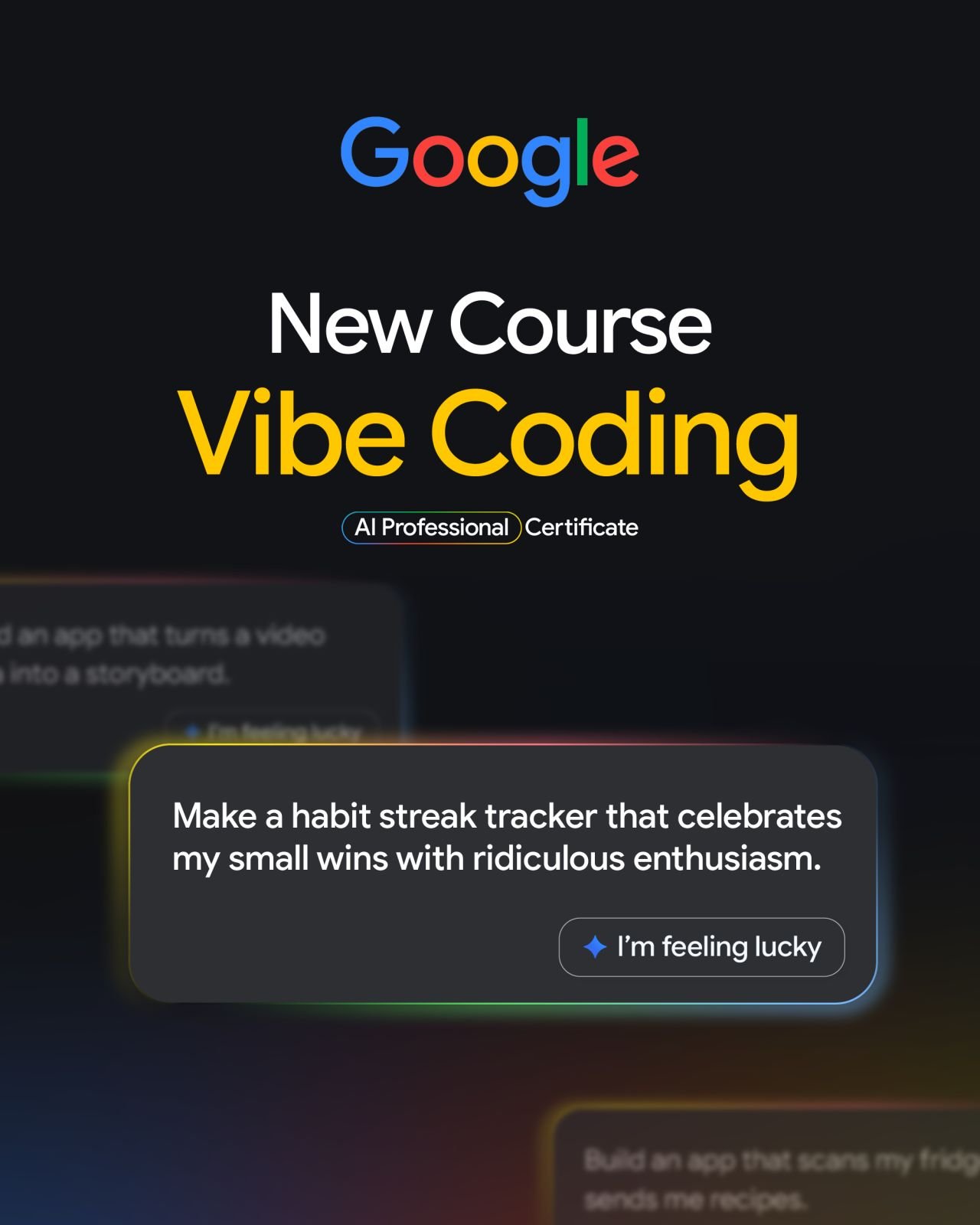
Google has added a vibe coding course covering app planning, testing, debugging and deployment to its AI Professional Certificate.
Google has added a vibe coding course to its Google AI Professional Certificate, extending the online program into AI-assisted app development for learners with no prior coding experience.
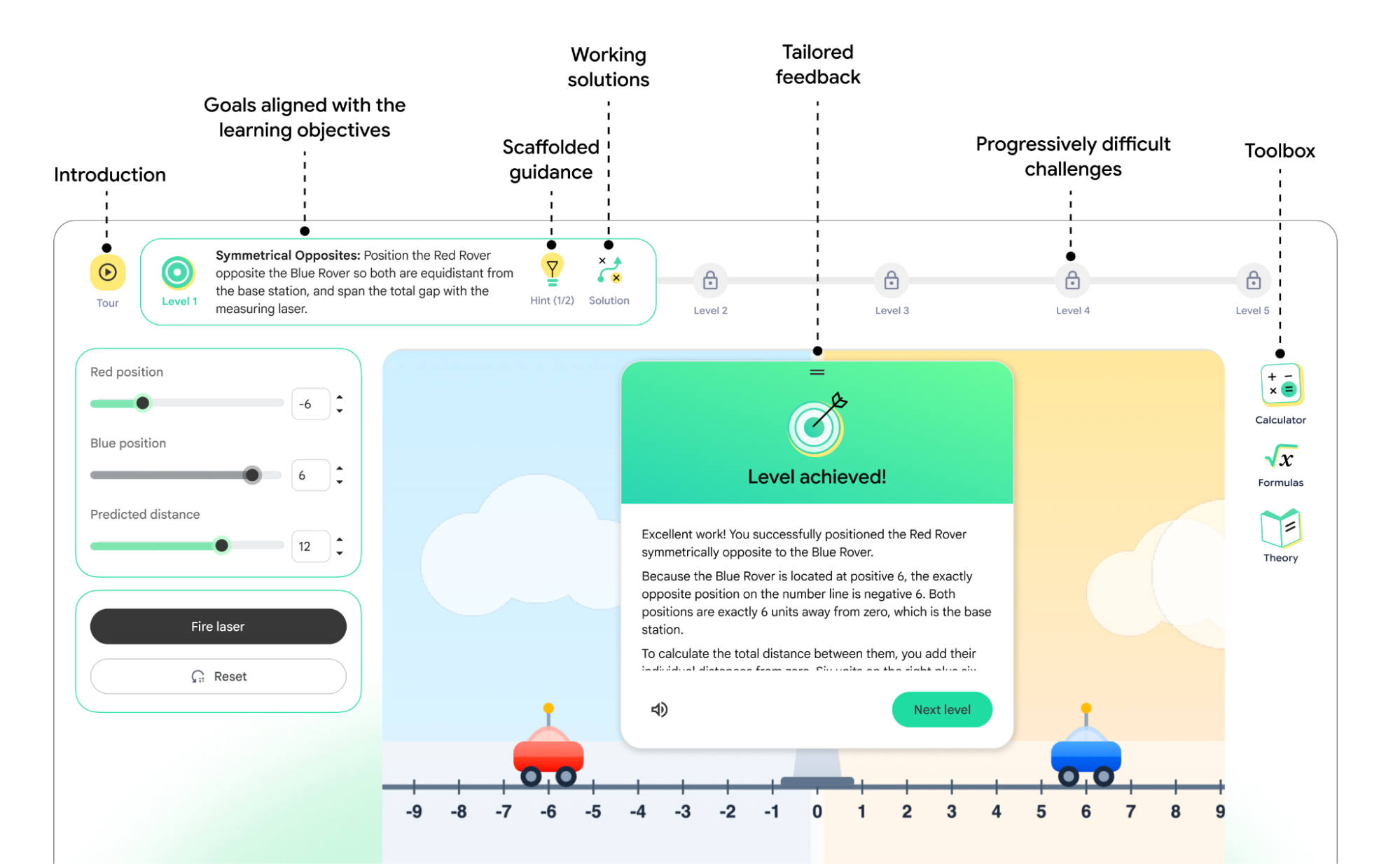
Vibe coding allows someone to describe an application in everyday language while AI generates the technical code. Google’s course takes that idea beyond the initial prompt, covering the full process of planning an app, testing it, tracking down faults and deploying it for other people to use.
Learners will build several types of application through hands-on work in Google AI Studio. Google gives team dashboards, workflow automations and customer intake tools as examples of what the course is designed to help them create.
In Google’s version of vibe coding, natural-language instructions are the starting point rather than the entire skill. Testing and debugging may be less eye-catching than generating an app from a sentence, but they determine whether the resulting tool works reliably enough to share.
The course became available on August 11 as part of the Google AI Professional Certificate, which was introduced in February.
Google cites rising demand for vibe coding
Google describes the wider certificate as the most popular generative AI certificate of all time on Coursera. Its announcement does not include an enrollment figure or explain how that ranking was measured.
The company separately says millions of people have learned through its AI curriculum, a broader figure that is not limited to the professional certificate. Google also cites Google Trends data showing that US searches for “vibe coding” increased by an average of 140% compared with last year.
Deloitte, Verizon, Lyft and Walmart are among the employers using the existing certificate for workforce training, according to Google.
Google Chief Strategist Neil Hoyne positioned the new course as a way to lower the technical barrier to making software. Writing on LinkedIn, he said: “A lot of smart people who talked themselves out of making things because they figured the complexity was too high, coding was out of reach. It isn't. Not anymore.”
Workplace examples predate the new course
To illustrate the certificate’s workplace use, Google points to employees applying skills from the existing curriculum rather than outcomes from the newly released vibe coding course.
Leo Garcia, a former Walmart truck driver who is now a Logistics Load Manager in Bentonville, Arkansas, used an internal tool and knowledge gained through the certificate to design four applications for logistics operations across several states.
One of those applications, Get My Driver Home, now coordinates driver shifts and condensed daily reporting meetings into 15-minute huddles. Walmart continues to review applications created by employees, according to Google.
Verizon is also offering the certificate to parts of its workforce. Google says recent graduates have progressed from using AI for email drafting to creating customized tools, including virtual quoting assistants in Gemini Notebook.