OpenAI and APA plan youth mental health guidance for AI use
Planned resources will cover parents, caregivers, clinicians and school psychologists, with school communities included in the intended audience
OpenAI and the American Psychological Association plan resources for families, clinicians and school psychologists on young people’s use of AI
OpenAI is working with the American Psychological Association (APA) to bring behavioral science and clinical expertise into its approach to AI and youth mental health, including how the technology appears in schools, therapy and family settings.
Announcing the collaboration on LinkedIn, Dr. Sara Johansen, head of mental health and well-being product policy at OpenAI, wrote: “We’re working with the American Psychological Association to bring behavioral science and clinical expertise into our work on AI and youth mental health.
“Together, we’ll develop evidence-based guidance for families and practitioners, deepen our understanding of how young people engage with AI, and bring the perspectives of families, clinicians, researchers, and educators into our work in youth wellbeing.”
The organizations plan to develop evidence-based guidance for families and practitioners while consulting teenagers, parents, caregivers, clinicians, researchers and educators. The announcement outlines intended areas of work rather than releasing the guidance or presenting new research findings.
OpenAI describes APA as the leading scientific and professional psychology organization in the United States. The collaboration follows a convening co-hosted by the organizations earlier this year, involving mental health organizations, researchers, clinicians, educators and youth representatives.
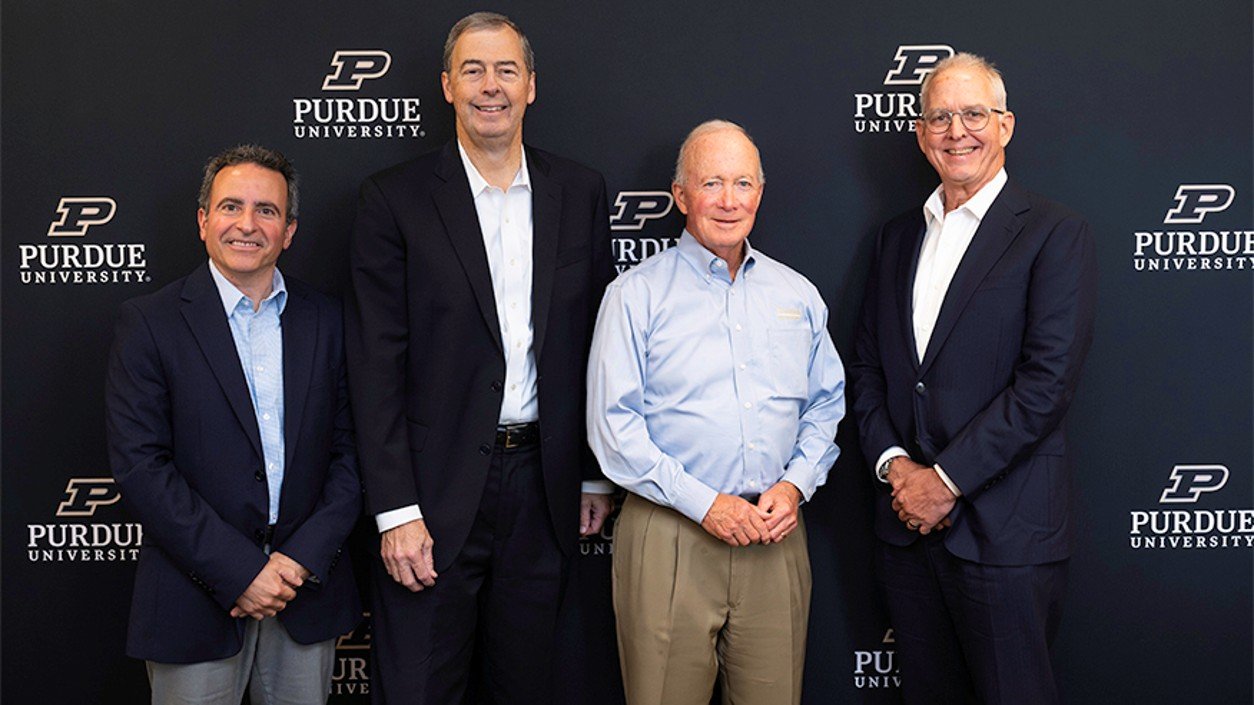
Arthur C. Evans Jr., PhD, Chief Executive Officer of the American Psychological Association, says: “APA brings both the developmental science and clinical expertise to say what responsible design looks like and what matters most for protecting and promoting young people’s well-being. This work is about making sure that knowledge reaches the people building these systems.”
Resources planned for families and school psychologists
One area of work will focus on resources for parents and caregivers whose teenagers are beginning to use AI. OpenAI says the guidance will address healthy use, circumstances in which adult intervention may be appropriate and the role of AI as a tool rather than a substitute for people or care.
The organizations also plan materials for clinicians and school psychologists. These will focus on promoting healthy AI use, recognizing overreliance and responding to unhealthy patterns.
Further consultation will involve teenagers, families, clinicians and school psychologists. OpenAI says it wants to understand how young people are using AI, how related questions arise in schools, therapy and family settings, and where existing support systems fall short.
The work is also expected to consider how AI may responsibly support young people during moments of distress, how systems can be made more developmentally appropriate and where the technology may help with access, education or navigation.
OpenAI places collaboration alongside existing safeguards
OpenAI says it works with more than 260 mental health experts to help ChatGPT identify signs of distress, respond appropriately and direct people toward real-world support.
The company also points to localized crisis resources, one-click hotlines, break reminders, parental controls and notifications to parents about safety concerns. Other measures include under-18 principles in its Model Spec and an age-prediction model that OpenAI says helps apply appropriate experiences and safeguards.