Morgan State University and Google Public Sector to build next-generation AI campus
Collaboration serves as national blueprint for HBCU digital transformation, driving advanced research and sovereign AI innovation toward R1 status
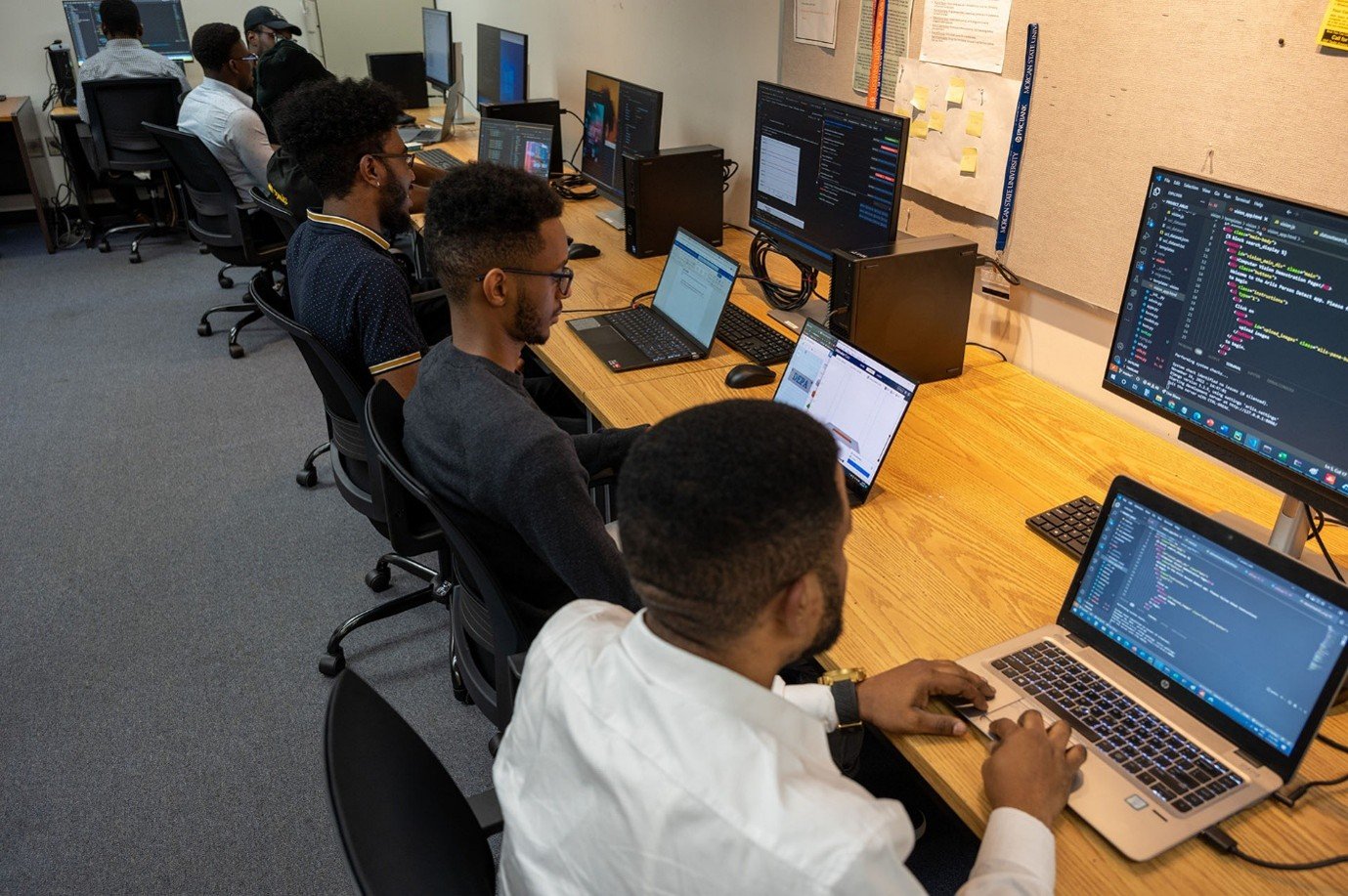
Morgan State University’s collaboration with Google Public Sector will build a next generation AI campus
Morgan State University has announced a new collaboration with Google Public Sector to build a next-generation, AI-driven research campus, securing the high-performance computing infrastructure needed to transform the university into a premier technology hub for students, educators, and researchers.
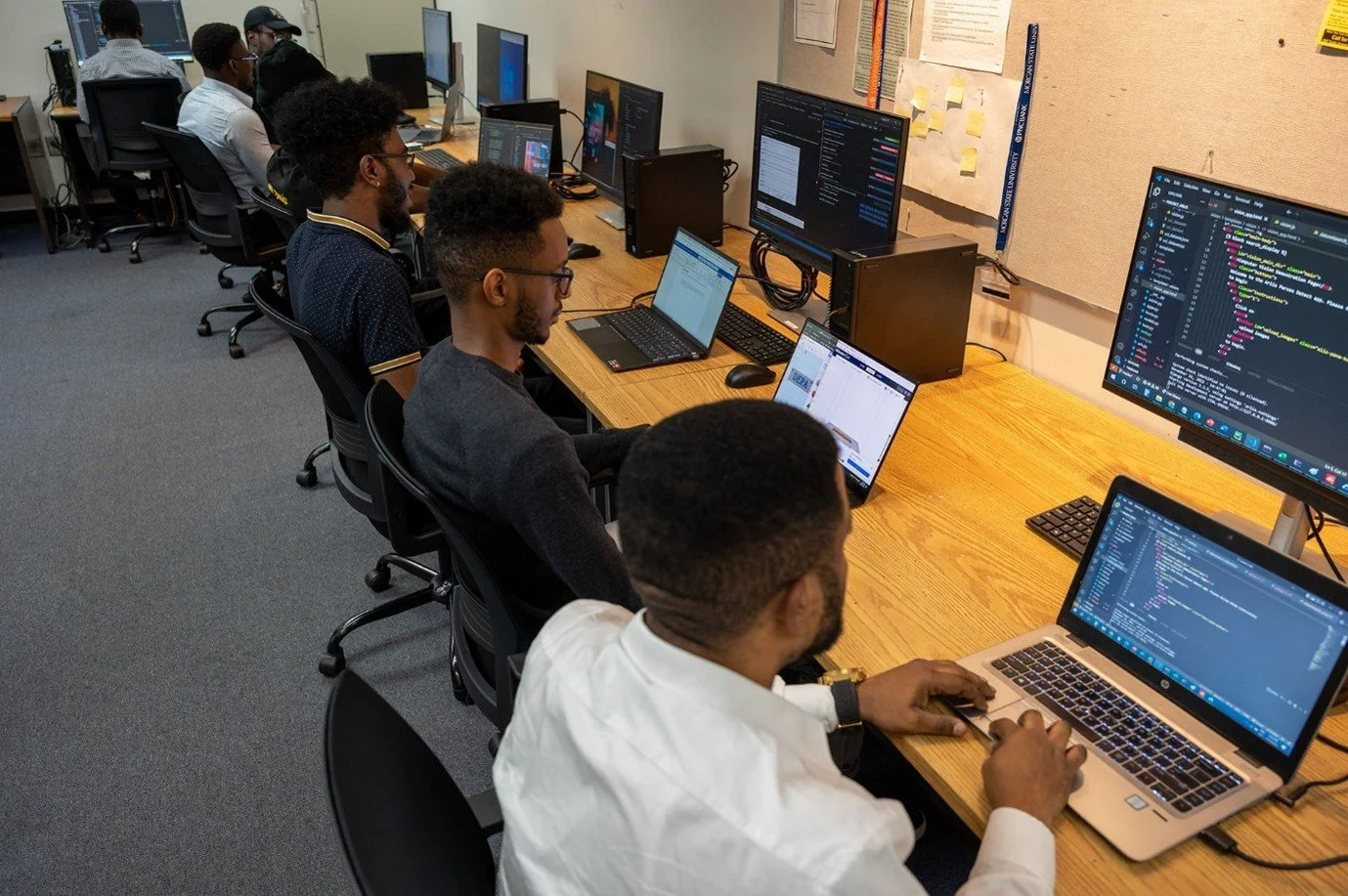
Through Google Public Sector’s Program for Accelerated Research (GPAR), Morgan State gains access to high-performance GPU compute resources, enabling faculty and students to conduct increasingly sophisticated work in AI, cybersecurity, climate science, health sciences and other rapidly evolving industries.
This collaboration delivers the critical infrastructure required to expand Morgan State’s research capabilities, with a goal of securing Carnegie R1 classification, and to pioneer a scalable model for modern Historically Black Colleges and Universities (HBCUs) to transform.
As the nation’s premier designation for "very high research activity," Carnegie R1 status would position Morgan State to unlock vital federal funding, attract top talent, and advance equity in academic research.
Constructing a technological ecosystem
Rather than waiting to adapt to the AI landscape, Morgan State is actively constructing the technological ecosystem to define it. Through Morgan’s Obsidian AI platform—developed by in-house researchers—the University powers research discoveries, workforce development, and campus-wide innovation while maintaining complete control over governance, security, and accountability.
This collaboration further cements Morgan’s emerging leadership in sovereign AI, anchoring student services, administration, and campus operations within a single, integrated platform.
Timothy C. Summers, Ph.D., vice president for the Division of Information Technology and chief information officer at Morgan State University, said: “Artificial intelligence is becoming foundational to how institutions conduct research, drive innovation, and compete in the global knowledge economy,” said.
“Morgan’s collaboration with Google Public Sector is about more than technology adoption. It is about building the institutional infrastructure, governance capacity, and research environment required to use AI responsibly and strategically.
“For HBCUs, this moment is not about catching up. It is about leading, by shaping models of sovereign AI, advanced computing, and digital transformation that expand access, protect institutional agency, and create new pathways for discovery.”
Accelerating research
Through this collaboration, Morgan State researchers gain access to advanced Google Cloud platforms and NVIDIA’s infrastructure, which will help accelerate the University’s research in large language models, cybersecurity, and environmental forecasting, while directly driving real-world applications like AI-enabled traffic and urban mobility optimization in Baltimore.
“At Google Public Sector, we are dedicated to helping educational institutions leverage advanced technology to deliver immediate, real-world impact,” said Matthew Schneider, managing director, U.S. Education, State and Local Government, Google Public Sector.
“Empowering Morgan State to build a next-generation AI campus with the same class of computing used to train the world's frontier AI models completely shifts the paradigm of what higher education can achieve.
“Whether it's driving breakthroughs in climate science or utilizing data-driven research to optimize urban mobility in Baltimore, this collaboration demonstrates how AI fuels institutional excellence.”
Complementing these advanced research operations, Morgan will also establish a Google-focused Center of Excellence to serve as a hub for cloud computing, AI adoption, workforce development, and technical training.
Students will gain exposure to industry-recognized credentials and career pathways through Google’s professional training ecosystem, while faculty can accelerate commercialization efforts through programs like Google for Startups.