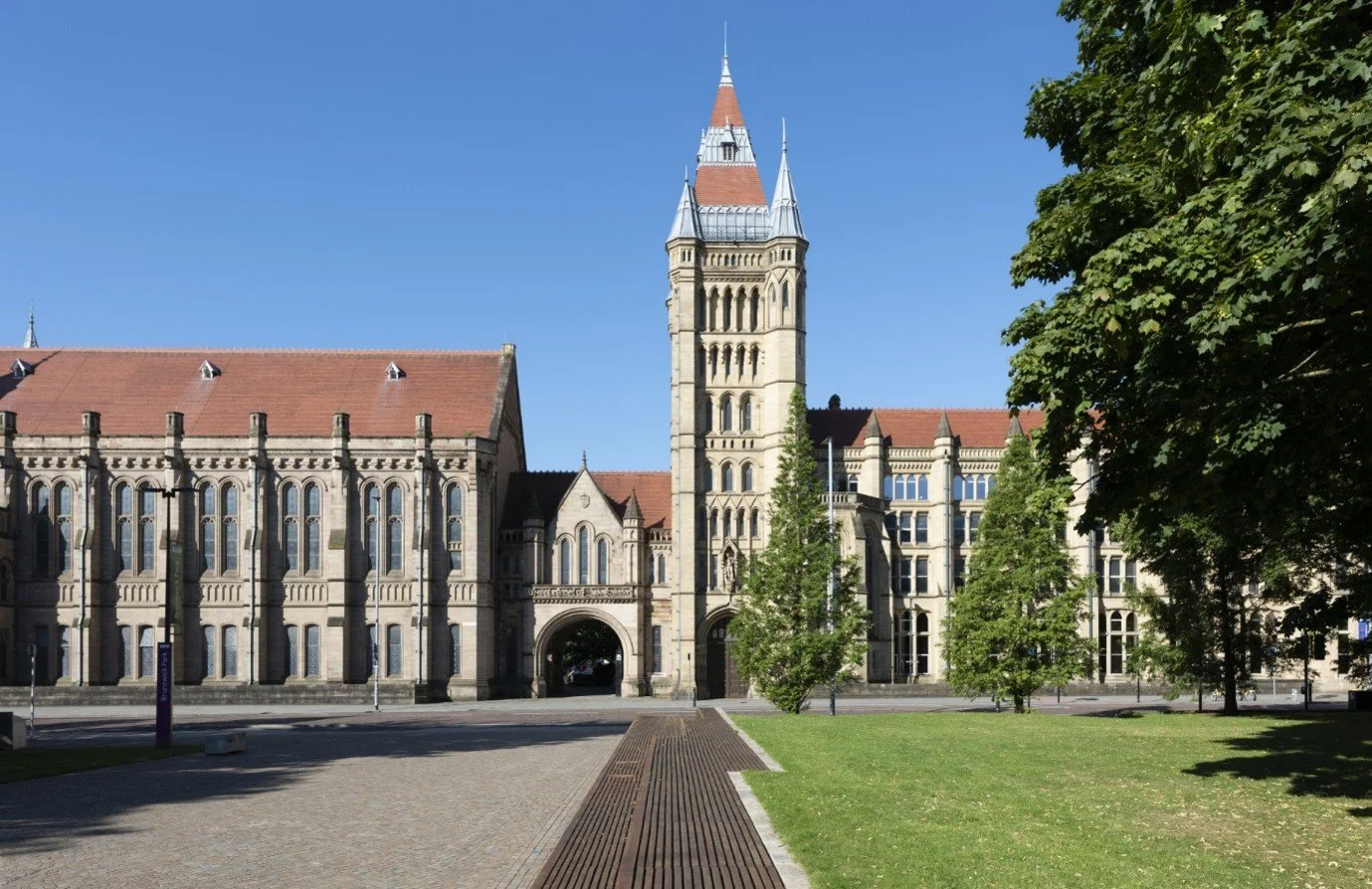
Driving growth: 11 new spinout companies emerge from the University of Manchester
The university’s Innovation Factory secures £56 million of new investment into its portfolio, now valued overall at more than £500 million
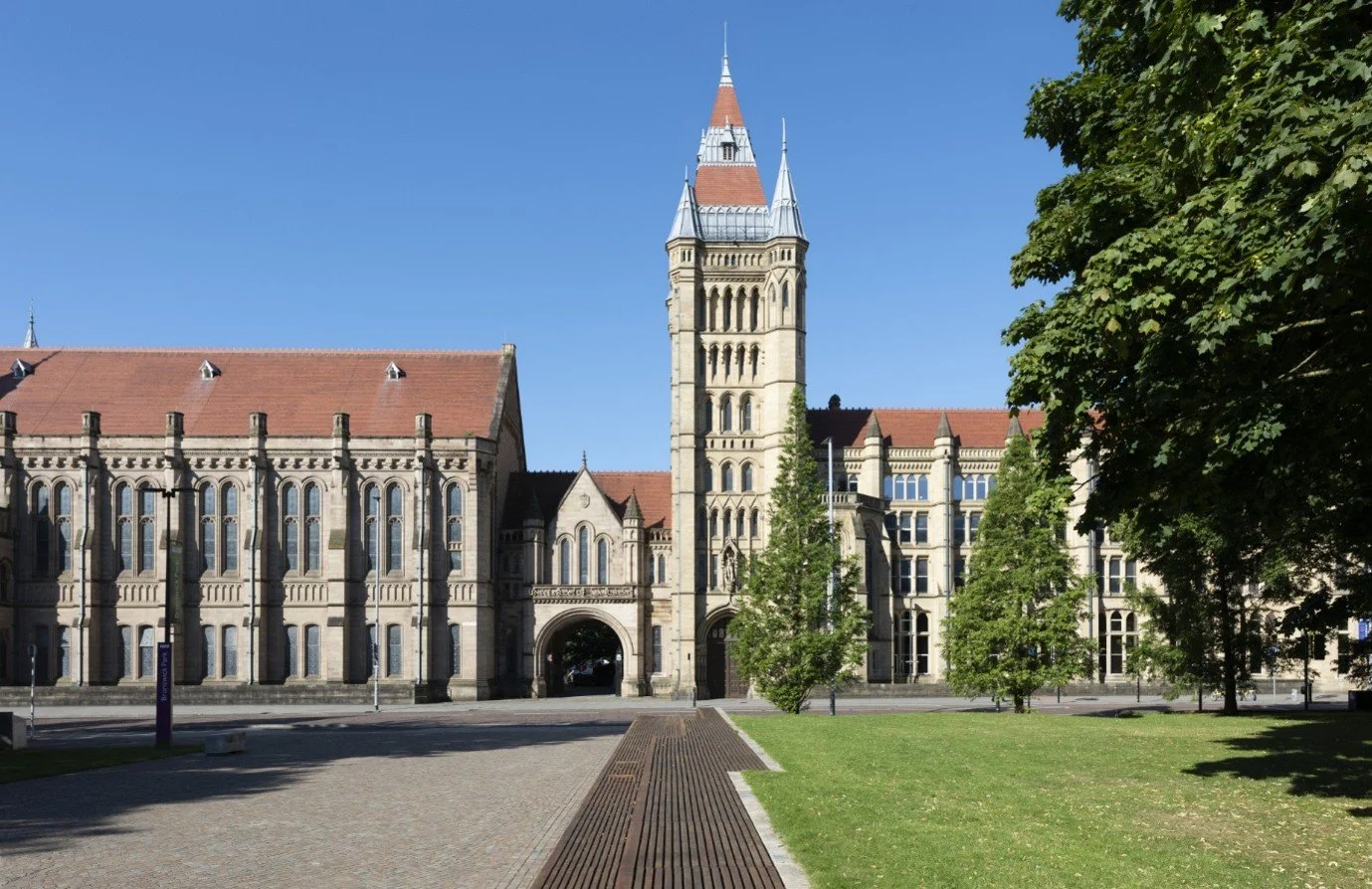
The University of Manchester Innovation Factory now has a portfolio of investment totalling more than £500 million
The University of Manchester (UoM) Innovation Factory has delivered an incredibly strong year of results in the 2025/26 financial year, launching 11 new spinout companies and securing over £56m of investment into its portfolio of 82 spinout companies, now valued at over £500m.
The results demonstrate renewed momentum in the commercialisation of research originating from the university, as the institution puts increasing focus on innovation as part of its ambitious 2035 Strategy.
The Innovation Factory works with researchers to develop early-stage ideas, helping identify commercial potential, protect intellectual property and determine the best route to market.
Its support continues through licensing and spinout creation, investment readiness and the longer-term development of companies within its portfolio.
The 11 new spinouts reflect the breadth of research and innovation taking place across the University:
Grid Stability Ltd, building AI-driven stability assessment tools for modern power systems, reducing cost and carbon while improving stability.
Lutèo Medical Ltd, developing new clinical eczema solutions based on microbiome science.
SpinOr Ltd, pioneering a compact and modular superconducting quantum computer design.
Imprinted Diagnostics Ltd, developing rapid diagnostics, with its first product focused on heart attack triage.
ColoriQuo Ltd, developing sustainable structural colour technologies inspired by nature.
FLAG-Me SAFE Ltd, creating digital safeguarding tools to help pharmacies better support people with sight and hearing impairments.
Pacentrica Ltd, creating digital technologies for pain assessment and long-term pain management.
Precica Ltd, developing technology to significantly reduce data storage requirements while keeping information searchable and accessible.
InformiX Pharma Ltd, using advanced three-dimensional imaging to improve the development and manufacture of medicines.
Zenithym Ltd, commercialising semiconducting polymer nanoparticles for a range of industrial and medical applications.
C3 Biotechnologies Ltd, converting industrial waste streams into sustainable chemicals and high-value products.
Dr Catherine Headley, CEO of the UoM Innovation Factory, said: “This has been an incredible year for the Innovation Factory and the results reflect the breadth and quality of innovation emerging from across the University, the strength of our spinout portfolio, and the quality of service that we provide.
“We are extremely proud of the progress that we have made as we build the foundations to play a key role in the university’s innovation plans.”
Next generation of opportunities
Companies across the Innovation Factory portfolio secured over £56 million in external investment during 2025/26, providing crucial capital needed to develop technologies, attract talent, establish partnerships and move towards commercial scale.
Alongside supporting its established spinout portfolio, the Innovation Factory continues to develop the pipeline of opportunities that could become the University’s future spinouts and licenses.
During 2025/26, the team supported over 300 researchers from across the university’s schools and faculties at the early stages of commercialisation, helping them explore opportunities to create positive impact, develop intellectual property strategies and identify the most appropriate commercial outcomes for their research.
Professor John Holden, Vice President for Innovation and Civic Engagement said: “Commercialisation is an important part of translating research into wider economic and societal benefit and positive impact.
“These results show the value of the rich innovation ecosystem that we are establishing in Manchester and the expertise within the Innovation Factory allows us to support our researchers from the earliest stages.”