Find out how rural Pennsylvania families in the United States can choose a virtual school
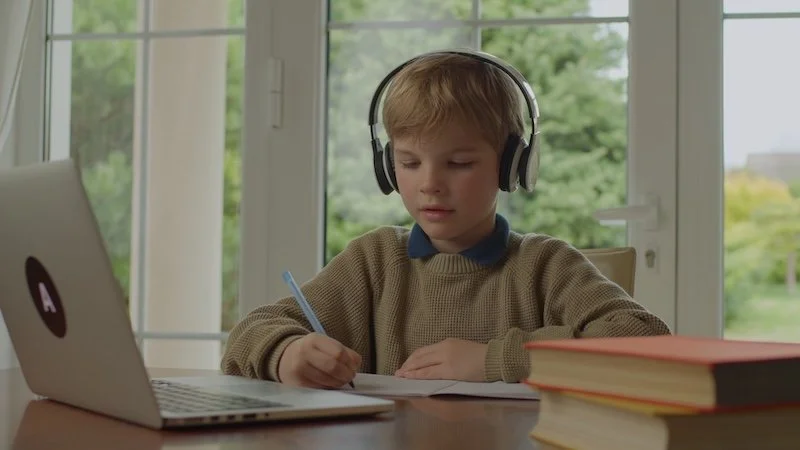
If you're raising a child in rural Pennsylvania, you know the challenges of hour-long bus rides and local schools that can't offer the advanced courses they need. Virtual school brings the classroom to your home, removing the need to commute and unlocking diverse curricula for rural students.
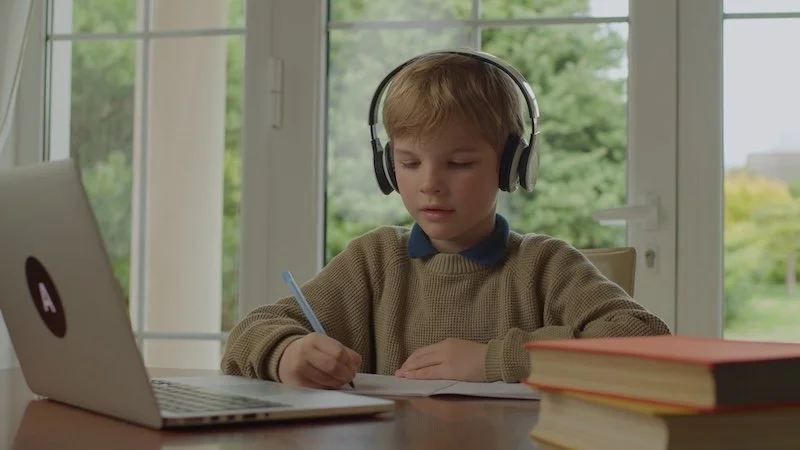
A virtual school for rural students changes how families access education
How Does Online School Work in Rural Pennsylvania?
A virtual school for rural students changes how families access education. Children can log in from home and complete coursework when it works best for their schedule, reducing the transportation burden.
Beyond transportation, virtual schools unlock specialized programs that smaller rural districts often cannot afford to offer. Students in remote areas can now take Advanced Placement courses, explore STEM pathways and pursue diverse electives that their local districts cannot provide.
Research shows that rural K-12 students frequently turn to online education to access a greater diversity of coursework than their brick-and-mortar schools can deliver. This expanded curriculum prepares children for college and career opportunities they might not have encountered in their home districts.
What to Look for in a Pennsylvania Online School
Choosing the right virtual program requires careful evaluation of several key factors. Pennsylvania faces ongoing educator staffing challenges, so verify that any cyber school employs fully certified teachers who can deliver high-quality instruction.
Accreditation and Ratings
Verifying state accreditation and performance ratings helps ensure your child receives a recognized, high-quality education. Accredited programs meet rigorous academic standards and provide credentials that colleges and employers typically accept.
Technology and Internet Support
Look for programs that provide necessary equipment like laptops or tablets and offer dedicated IT assistance. Some go further by supplying mobile hot spots or partnering with internet providers to help students connect more consistently from remote locations.
Cost and Affordability
Public cyber charter schools are mostly affordable. These schools are publicly funded by taxpayer dollars, making them available to Pennsylvania residents at no cost. While these funds cover tuition, it’s best to confirm if there are any out-of-pocket expenses for optional activities, field trips or supplemental materials.
Curriculum Flexibility
A strong virtual program offers a wide variety of courses that match your child's interests and academic needs. Programs with extensive course catalogs allow learners to explore specialized subjects, pursue dual-credit opportunities and learn at their own pace.
Socialization Opportunities
Geographic isolation can limit social interaction for rural children, so examining how programs foster community becomes critical. Quality virtual schools organize field trips, clubs and extracurricular activities where learners can connect in person.
Parental Support Services
Parents often serve as learning coaches in virtual education, making school-provided guidance resources vital. Seek programs that offer dedicated mentors, orientation sessions and ongoing assistance to help parents manage their role.
Evaluation Criteria for Pennsylvania's Top Virtual Schools
The schools on this list represent leading choices for rural Pennsylvania families because they excel across these key areas:
State accreditation: Proper accreditation from the Pennsylvania Department of Education and a strong record of academic performance
Curriculum adaptability: Diverse and adaptable curricula with a wide range of courses
Social opportunities: Opportunities for social interaction through in-person field trips, student clubs and other extracurricular events
Parental support: Strong support systems for parents acting as learning coaches
Affordability: Public funding that makes them available at no cost to families
Top Virtual Schools for Rural Pennsylvania Students
These schools represent some of the best options for rural Pennsylvania families seeking education. Each offers unique strengths tailored to meet the needs of children learning from home.
1. Commonwealth Charter Academy
Commonwealth Charter Academy stands out as a premier option for Pennsylvania families seeking comprehensive virtual education. It combines curriculum flexibility with strong individualized service, assigning dedicated mentors to support parents throughout the school year. Learners benefit from personalized plans that adapt to their individual pace and interests, while certified teachers provide substantial one-on-one assistance during live instruction sessions.
Key Features
Offers 691 engaging courses, providing excellent curriculum variety to match student interests and goals
Employs over 2,100 certified teachers who deliver high-quality instruction and personalized assistance during daily sessions
Provides its comprehensive educational experience at no cost to families.
2. Pennsylvania Leadership Charter School (PALCS)
Pennsylvania Leadership Charter School emphasizes leadership development alongside rigorous academics. PALCS uses a proprietary system built specifically for online education, allowing learners to progress through coursework at a flexible pace that accommodates their unique schedules. The program provides families with all necessary technology, including laptops, printers and headsets, ensuring children have the tools they need to succeed.
Key Features
Utilizes a specialized system built specifically for effective online education delivery
Provides necessary equipment, including laptops, printers and headsets, to every student's family
Offers IT assistance and troubleshooting help for parents handling online learning challenges
3. Pennwood Cyber Charter School
Pennwood Cyber Charter School focuses on practical career skill development and comprehensive wellness programs. Pennwood assigns engagement specialists who work closely with parents from the first day of enrollment, supporting a smooth transition to online education. Learners can access 24-hour mental health services through the Cook Center, along with a wellness curriculum that addresses the whole child.
Key Features
Provides mental health support and student health curriculum through the Cook Center partnership
Works with parents from day one, offering guidance and support throughout enrollment
Offers dual-credit partnerships with Harrisburg University for children to earn college credits during high school
Frequently Asked Questions on Pennsylvania Virtual Schools
Recent transportation challenges for Pennsylvania charter students, including districts using public transit options instead of traditional school buses, make online schooling an increasingly attractive option.
How do virtual schools handle internet connectivity issues in rural areas?
Many top virtual programs provide integrated LTE or 5G Chromebooks that operate on dedicated secure networks, bypassing unreliable home internet connections. Programs may also lend hot spot devices to families in locations with limited broadband access. Some support emerging technologies like Starlink for areas without fiber infrastructure, helping students in the most remote locations stay connected to their live instruction sessions and coursework.
What equipment do virtual schools provide?
Leading Pennsylvania virtual programs typically provide laptops or Chromebooks to every enrolled student. Many also include supplementary tools, such as printers for assignments and headsets for live instruction sessions. Schools generally offer dedicated IT support to help families handle technical aspects of online learning, with troubleshooting assistance available when issues arise.
How should families compare virtual schools?
Parents should prioritize three key factors when evaluating options.
First, verify that teachers hold proper Pennsylvania certifications in their subject areas. Second, examine the variety of curriculum offerings and specialized programs available, ensuring the program can accommodate your child's interests and academic level. Third, assess the level of technology support and parental resources the school supplies, as these services directly impact your success as a learning coach at home.
Taking the Next Step for Your Child's Education
Choosing virtual education represents an important decision that can open doors to educational opportunities rural Pennsylvania students might not otherwise access. Evaluating programs based on accreditation, technology support, curriculum flexibility and family resources helps you identify the option that best fits your child's unique learning needs.