Understanding the important role of bespoke systems in scaling EdTech
Growing an EdTech platform quickly is a clear sign of success, but it also brings big operational challenges. As user numbers jump from hundreds to thousands or even millions, the very system that got you started can begin to strain.
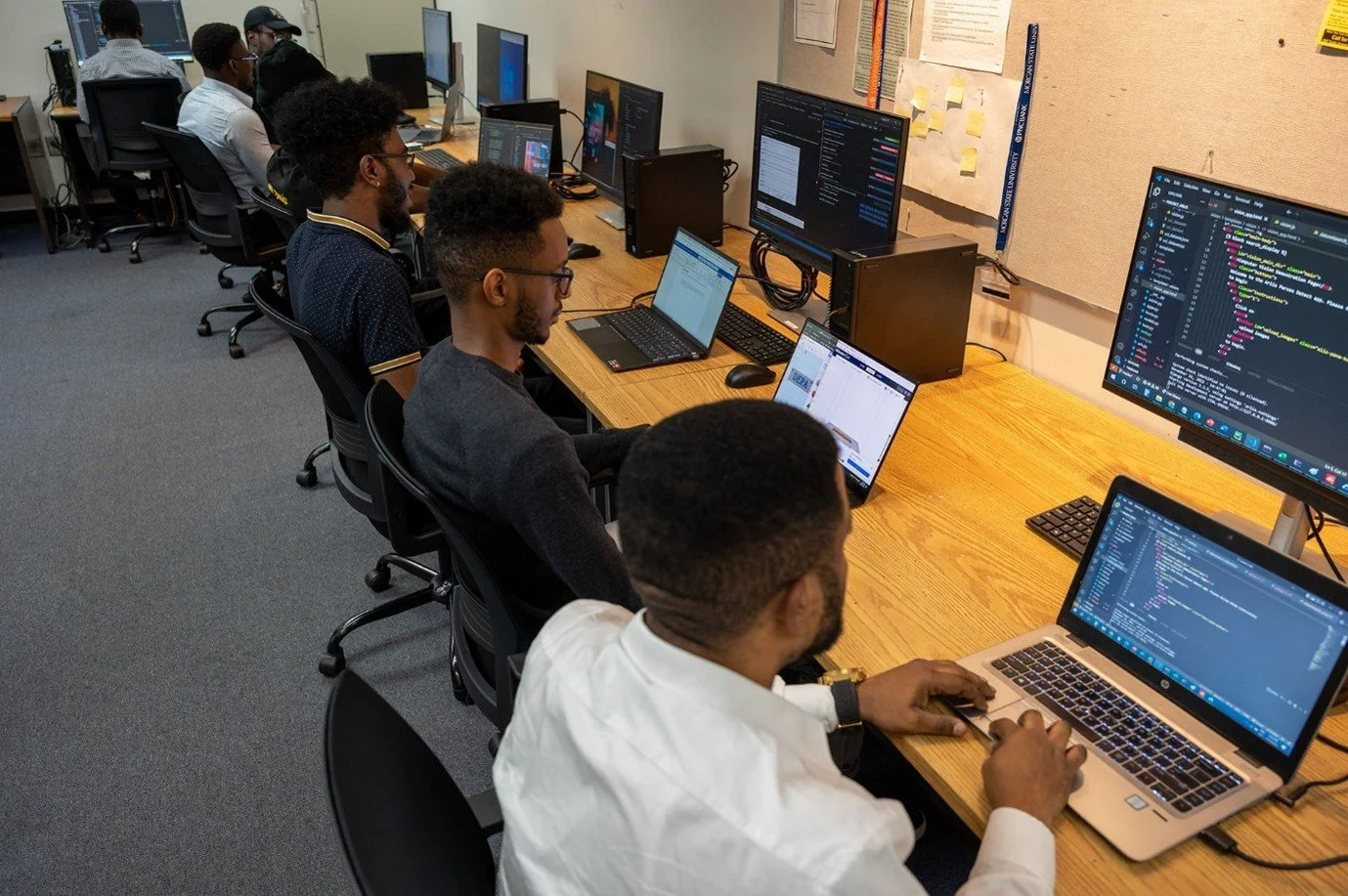
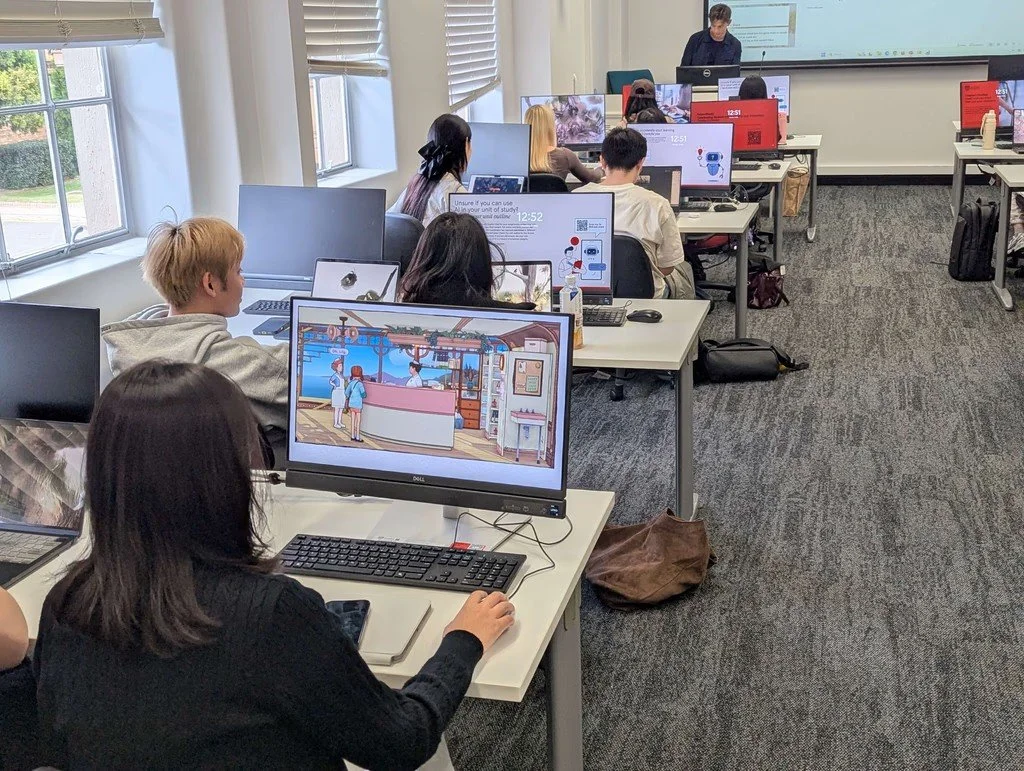
Image credit: Unsplash. Bespoke EdTech systems can help digital learning platforms overcome scaling challenges, improve performance and support students, educators and administrators
For leaders in educational technology, this turning point means making a tough choice: patch up the old system or build something new for the future. Often, the best path forward is to move away from generic software and create custom solutions designed specifically for the unique demands of digital learning.
Looking at the full picture of educational technology shows a complex world of learners, educators, and administrators. The main challenge for successful platforms is figuring out how to serve all these different groups effectively, especially as you grow.
Scaling Challenges in Digital Learning
When an EdTech platform sees a sudden surge in users, several key problems pop up. Performance can drop as servers struggle with too many people trying to access things at once, leading to slow loading times and a frustrating experience. The original way data was set up might not be flexible enough for new features or different kinds of learning content, turning simple updates into huge development projects.
On top of that, connecting with other school systems, like Student Information Systems (SIS) or outside content libraries, becomes a major hurdle. Each new connection adds more complexity, increasing the chance of data getting stuck in separate places and workflows breaking down. Security and compliance rules also get tougher with scale, requiring a more advanced setup than a new startup platform usually has. These issues pile up, slowing down innovation and putting the platform's long-term survival at risk.
Why Off-the-Shelf Solutions Fall Short
Early on, using an off-the-shelf Learning Management System (LMS) or a standard software-as-a-service (SaaS) platform can make a lot of sense. They let you launch quickly and come with a predictable set of features. But as an EdTech company's teaching methods and business model mature, these one-size-fits-all solutions start to show their limits. You often find yourself trying to force your unique educational approach to fit the software's rigid structure, instead of the other way around.
Customization options are usually pretty basic, mostly just branding and minor settings. You can't change the core logic or how data is structured to truly match what you need. This can lead to clunky workarounds, relying on third-party plugins that create security holes, and a disjointed experience for both students and instructors. You end up paying for lots of features you don't use, while missing the crucial functions you actually need to innovate and stand out.
The Power of Custom System Design
Building a custom EdTech platform means you can design a system that perfectly matches your educational mission and business goals. You control everything, from the database setup to how users interact with it. This lets you create a truly unique learning experience that helps you stand out from the competition. In specialized fields, the value of tools built for a specific purpose is well understood; industries from bioprocessing to aerospace rely on custom single use systems to manage critical, complex processes that generic equipment just can't handle.
Similarly, a custom EdTech system lets you build for growth right from the start. You can pick technologies and design approaches that support huge numbers of users and massive amounts of data. Developing a custom platform takes careful planning and execution, and choosing the right partner is a vital step. With a dedicated development team, you can implement features exactly as you imagine them, connect smoothly with any external system, and quickly adapt to changing market demands.
Ensuring Seamless Educational Flow Paths
A successful EdTech platform is more than just a bunch of features; it's a system that helps information and interaction flow smoothly. Think of it as managing educational pathways. This includes:
Student Progression: How does a learner move from one module to the next? How is their progress tracked, assessed, and supported?
Content Delivery: How is educational material (videos, text, quizzes, interactive simulations) created, organized, and delivered to the right user at the right time, especially for digital learning platforms?
Data and Analytics: How does information about user engagement and learning outcomes get back to instructors and administrators to help them make improvements?
Off-the-shelf systems often force you into one rigid path. A custom-built platform lets you design and optimize multiple paths for different types of users and learning situations. You can create personalized learning journeys for students, efficient content management workflows for educators, and powerful analytics dashboards for administrators. This complete approach ensures that the technology truly serves the educational process, rather than dictating it.
Ultimately, investing in a custom system is an investment in your platform's future. It provides the foundational structure you need not just to handle growth, but to drive innovation and make a lasting impact on education.