New drone technology at UK’s Durham University paves the way for faster and safer autonomous flight
Wider clearance benefits potential applications, including search and rescue and environmental monitoring
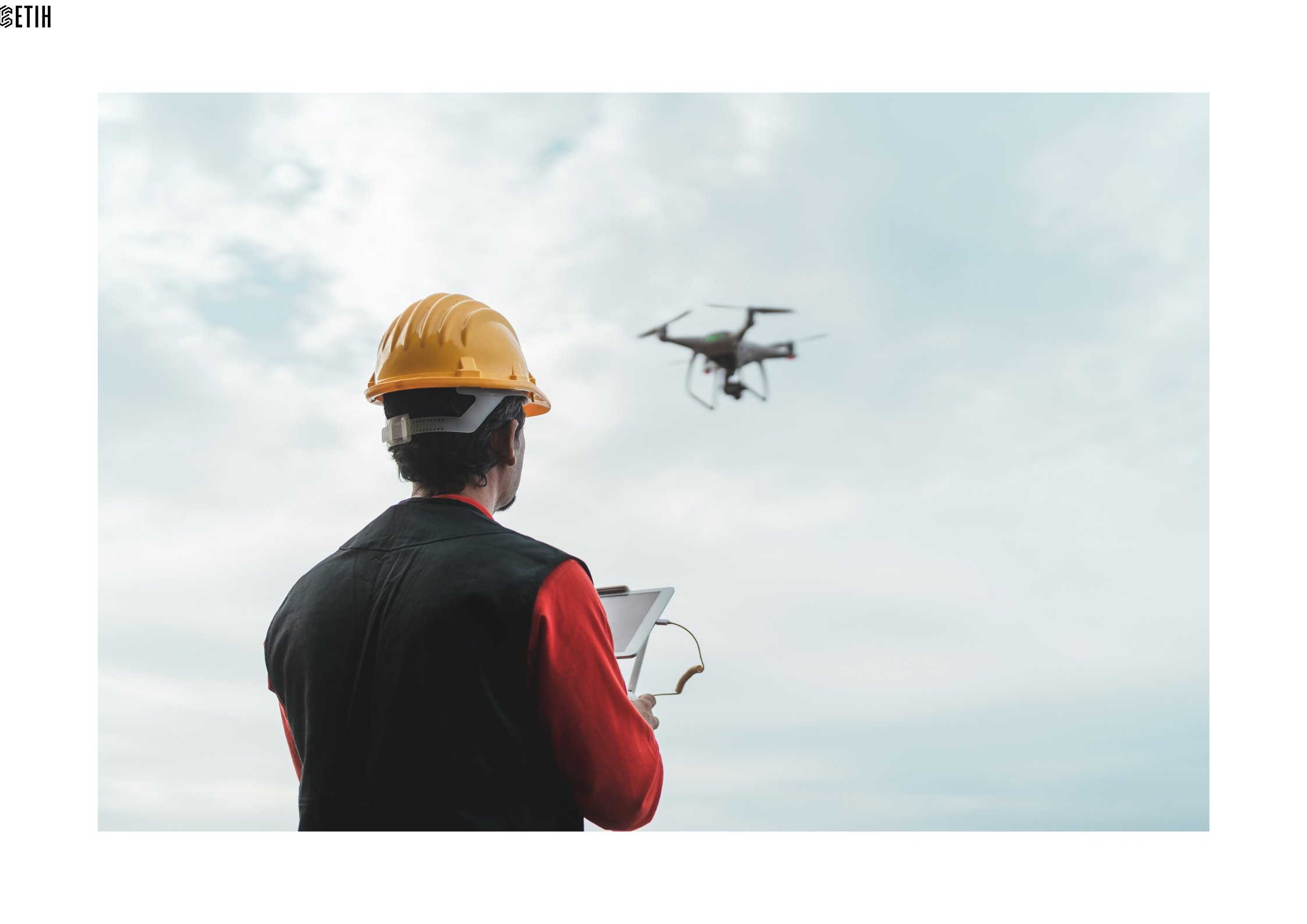
Durham University is working on a new generation of faster and safer drones
Researchers from Durham University’s Computer Science department have developed a new drone navigation system that allows autonomous aircraft to fly faster and more safely through complex environments, with potential applications in search and rescue, infrastructure inspection and environmental monitoring.
The new system, called CORTO-Planner, helps drones find the safest and most efficient route while travelling at high speed through areas filled with obstacles.
Giving drones more room to fly
One of the biggest challenges for autonomous drones is flying quickly through narrow or cluttered spaces without colliding with obstacles. Existing navigation systems often force drones to slow down because they rely on rigid safety zones that restrict movement.
The research team has developed a new type of flexible safety corridor that adapts to the surrounding environment. This creates flight paths with up to six times more usable space and provides up to 59% wider clearances around obstacles than previous approaches.
By giving drones more room to manoeuvre safely, the system enables them to maintain higher speeds while making smoother movements, even in challenging environments.
Faster decisions in real time
As well as improving safety, the researchers developed a more efficient way of calculating the drone's route.
The new approach removes the need for slow and complex mathematical processes, allowing the drone to make decisions in real time as it flies. The team tested the technology in computer simulations and on real drones navigating narrow passages, sharp bends and maze-like courses.
In these tests, CORTO-Planner consistently achieved faster flight times and higher average speeds than several leading drone navigation systems while continuing to avoid obstacles safely.
Supporting autonomous systems
The researchers believe the technology could improve time-critical drone operations such as search and rescue missions, forest exploration, industrial inspection and warehouse automation.
The team has also made its software openly available so other researchers can build on the work.
The approach could be adapted for other autonomous technologies, including self-driving vehicles, robotic arms and underwater robots that need to navigate safely through confined spaces.