Top ten EdTech stories of the week: AI research, safeguarding debates, and workforce training
Policy decisions, research findings, product updates, and workforce initiatives shaped activity across schools, higher education, and skills systems this week.

Last week brought a mix of policy debate, product development, and research-led scrutiny as artificial intelligence continues to influence education and work. Governments progressed discussions on digital access and online safety, while new studies examined how AI is used in real-world jobs and its impact on learning. Platforms introduced new classroom tools, and institutions expanded training pathways and infrastructure to support AI adoption across education and workforce systems.
10. UK MPs reject social media ban for under-16s as government explores new restrictions
In at number ten, the UK Parliament voted down a proposal to ban social media use for under-16s, instead backing broader regulatory powers for ministers following consultation on online safety. The amendment to the Children’s Wellbeing and Schools Bill was defeated by 307 votes to 173. Ministers argued that a blanket ban could push students toward less regulated online spaces, while alternative measures under review include age restrictions, limits on platform features, and tighter controls on access routes.
9. OpenAI introduces interactive STEM learning tools in ChatGPT
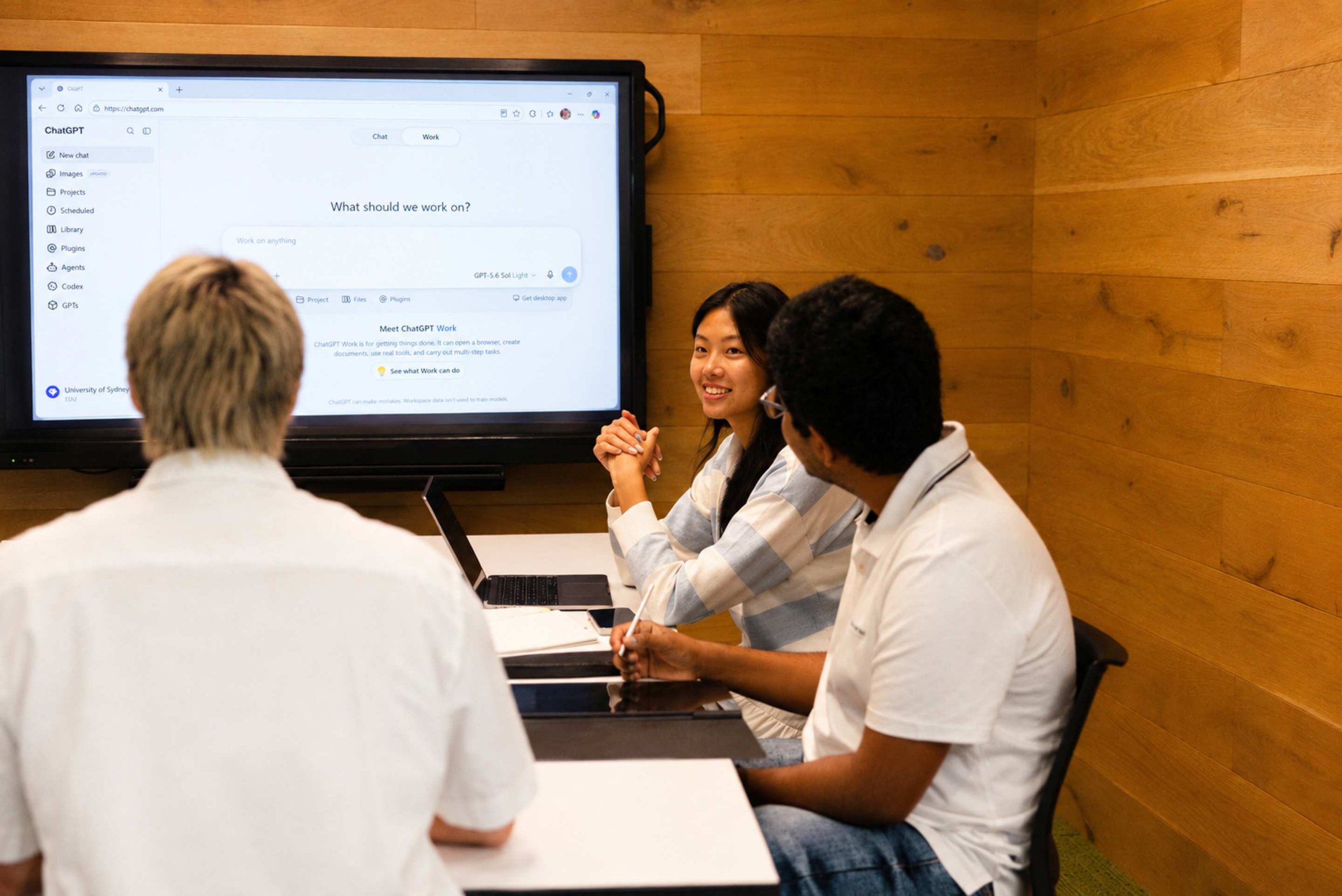
Taking the ninth spot, OpenAI launched interactive visual explanations in ChatGPT designed to support math and science learning through dynamic models rather than static responses. The feature allows users to manipulate variables and observe how formulas and systems behave in real time across more than 70 core concepts. The rollout is available to logged-in users globally and builds on existing study and quiz tools already embedded in the platform.
8. K–12 IT leader raises safeguarding concerns over YouTube access in Google Slides
Landing at number eight, a technology leader at Beekmantown Central School District highlighted a workaround that allows students to access YouTube content through Google Slides despite filtering restrictions. The issue, shared publicly by Gary Lambert, points to a gap in administrative controls where embedded video previews bypass safeguards. Google for Education responded to the concerns and engaged with the discussion as other districts reported similar behavior.
7. Computeam launches Compass platform for tracking DfE digital standards
Entering the list at number seven, Computeam introduced Compass, a SaaS platform designed to help schools and multi-academy trusts assess progress against Department for Education Digital and Technology Standards. The system enables leadership teams to benchmark infrastructure, assign actions, and monitor compliance across areas such as cybersecurity, networks, and filtering. Data referenced at launch indicates that only a minority of schools currently meet all infrastructure requirements.
6. Explore Learning report warns weak evidence in AI tools could impact outcomes
Taking the sixth position, Explore Learning published a white paper warning that AI tools introduced without strong evidence or learning theory could affect student outcomes. The report highlights risks including overreliance on automated guidance and simplified performance metrics that do not capture deeper understanding. It also identifies potential use cases in areas such as early identification of learning needs when systems are built on established educational research.
5. AWS expands AI training through community college partnership
Entering the top five, Amazon Web Services expanded its Skills to Jobs Tech Alliance work with the National Applied AI Consortium to scale applied AI training across US community colleges. The initiative connects institutions with curriculum, faculty training, and certification pathways aligned to entry-level roles in cloud, data, and AI. More than 300 colleges and 1,000 faculty members are already involved, with programs reaching over 31,000 students.
4. Researchers examine AI’s role in mathematics and physics at UCLA convening
Taking the fourth spot, researchers gathered at the UCLA Institute for Pure and Applied Mathematics to explore how AI is being used in mathematical and theoretical physics research. The event, supported by OpenAI, brought together academics and AI researchers to discuss how reasoning models can assist with conjecture testing, verification, and navigating complex problem spaces. Sessions focused on how AI tools are beginning to support specialized research workflows.
3. Anthropic research tracks real-world AI use across jobs
Breaking into the top three, Anthropic published new research examining how AI is used in professional work through a metric combining theoretical capability and observed usage. The study found a gap between what AI systems could perform and what is currently deployed, with high exposure in roles such as programming, customer service, and data analysis. Early findings also point to changes in entry patterns for younger workers in AI-exposed roles.
2. ETIH Innovation Awards 2026 entries open with three weeks remaining
Taking the runner-up position, EdTech Innovation Hub confirmed that entries remain open for the ETIH Innovation Awards 2026, with a deadline set for 27 March. The awards cover categories spanning AI, digital learning platforms, workforce development, and partnerships between education and industry. Submissions are open to organizations, institutions, and educators across the UK, the Americas, and global markets.
1. Anthropic study highlights gap between AI capability and workplace adoption
Claiming the top spot, Anthropic introduced a new framework for measuring AI’s impact on the labor market, combining task-level capability with real usage data from its Claude model. The findings show that while AI systems could theoretically perform a large share of tasks in knowledge-based roles, actual adoption remains significantly lower. The research also identifies demographic patterns in AI-exposed jobs and early signals in hiring trends among younger workers.