MIT and IBM expand research partnership to combine AI and quantum computing
The new MIT-IBM Computing Research Lab evolves from the Watson AI Lab founded in 2017, adding quantum computing to its scope after nearly a decade that produced more than 1,500 peer-reviewed articles and funded over 500 students and postdoctoral scholars.
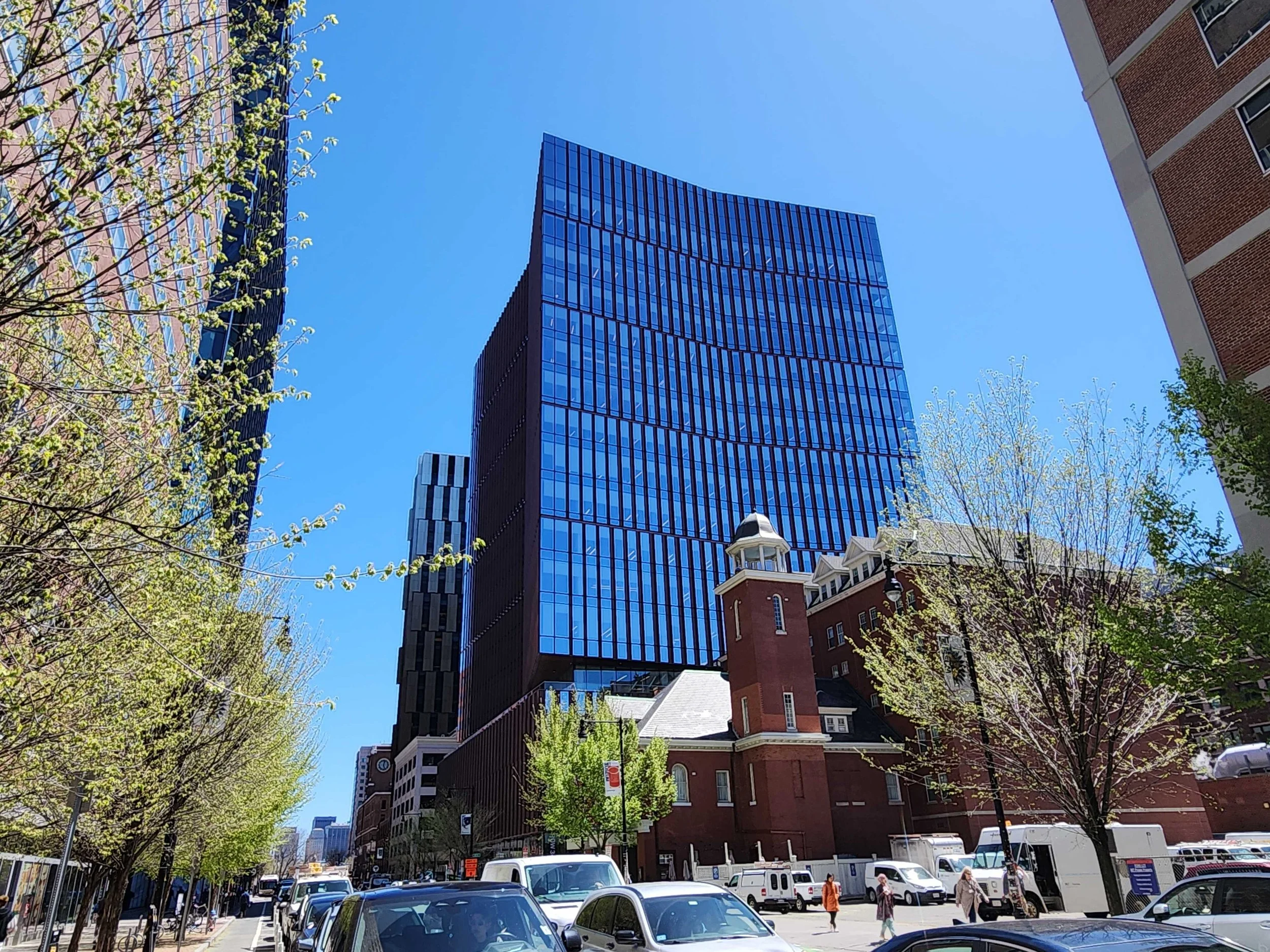
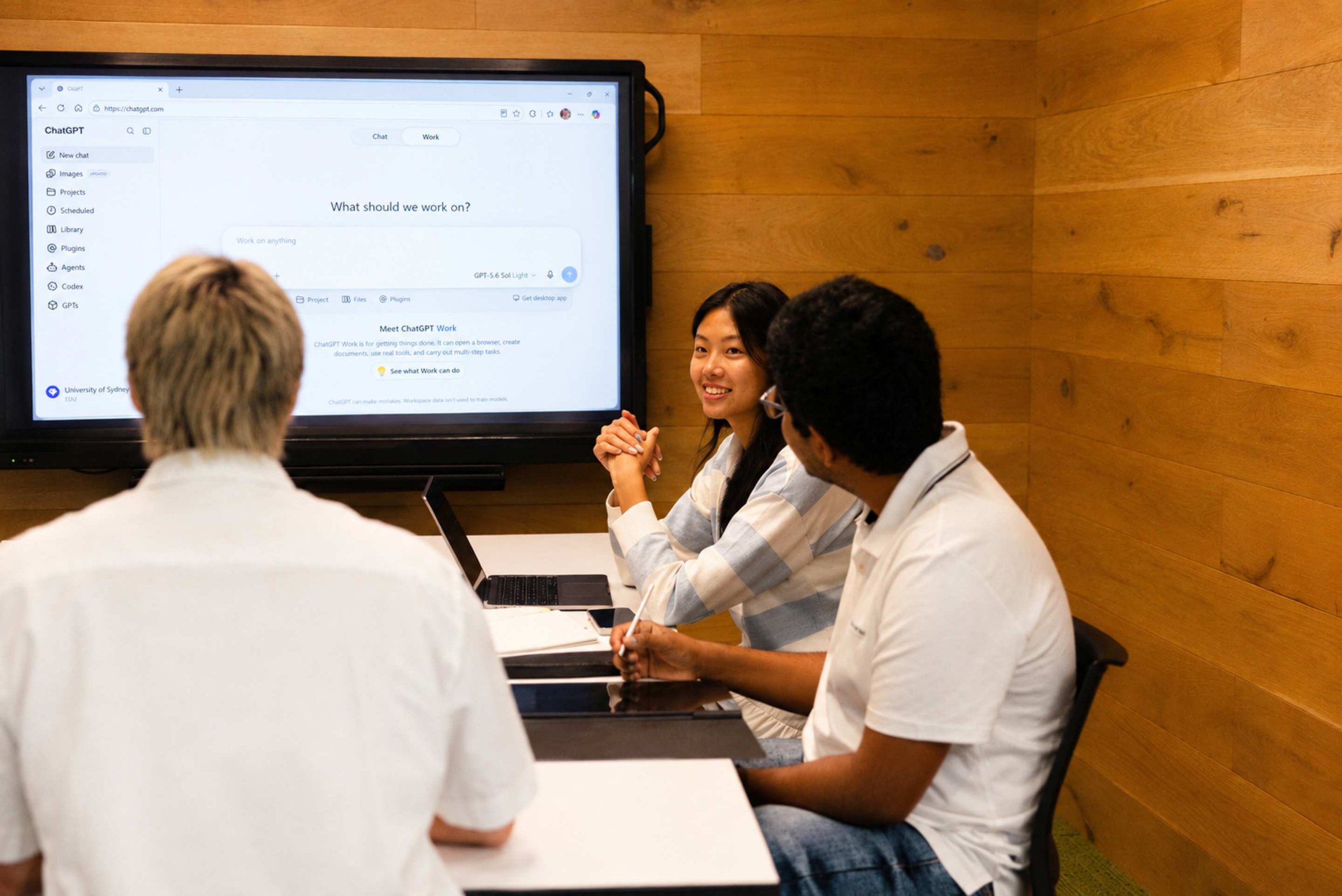
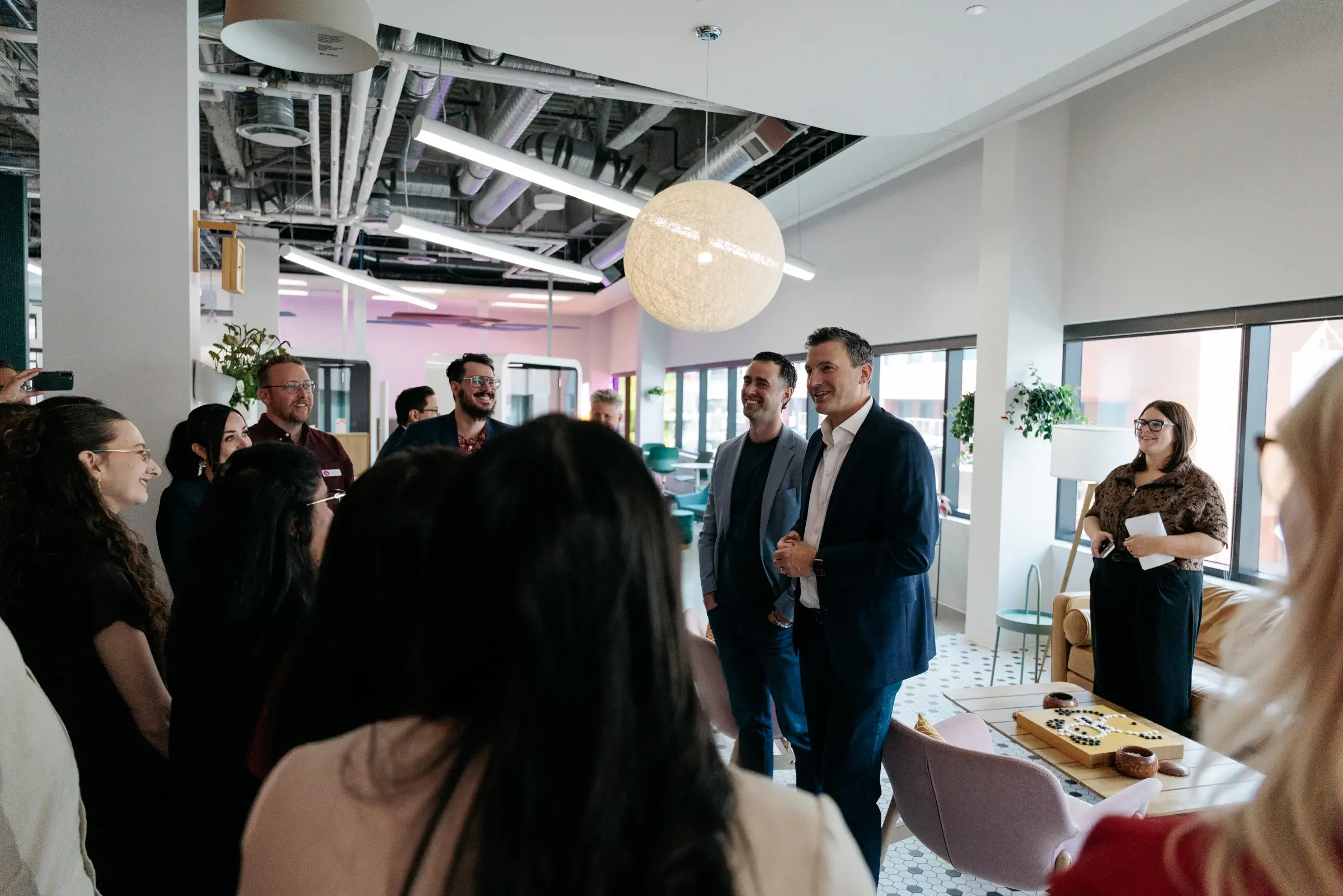
The MIT-IBM Computing Research Lab in Cambridge, MA, where researchers from MIT and IBM will work on AI, algorithms, and quantum computing.
IBM and the Massachusetts Institute of Technology have opened the MIT-IBM Computing Research Lab, expanding a partnership that began in 2017 to include quantum computing alongside foundational AI research.
The new lab replaces the MIT-IBM Watson AI Lab and reflects a shift in focus toward hybrid computing systems that integrate quantum hardware with classical systems and AI methods.
The lab is structured around three research pillars: AI, algorithms, and quantum computing. Each area has co-leads drawn from MIT faculty and IBM Research, with the overall lab continuing under the co-direction of Aude Oliva, senior research scientist at MIT's Computer Science and Artificial Intelligence Laboratory, and David Cox, Vice President of AI Foundations at IBM Research.
From Watson AI Lab to a broader computing mandate
The original Watson AI Lab funded more than 210 research projects involving over 150 MIT faculty members and more than 200 IBM researchers. It produced over 1,500 peer-reviewed articles and supported more than 500 students and postdoctoral scholars.
Jay Gambetta, Director of IBM Research, IBM Fellow, and IBM chair of the new lab, says: "We expect the MIT-IBM Computing Research Lab to emerge as one of the world's premier academic and industrial hubs accelerating the future of computing. Together, the brightest minds at MIT and IBM will rethink how models, algorithms, and systems are designed for an era that will be defined by the sum of what's possible when AI and quantum computing come together."
Anantha Chandrakasan, MIT's Provost and MIT chair of the lab, says: "For a decade, the collaboration between MIT and IBM has produced leading-edge research and innovation, provided mentorship and supported the professional growth of researchers both at MIT and IBM. The incredible technical achievements set the bar high for our work together over the next 10 years. I look forward to another decade of impact."
Research scope spans materials science to financial markets
The lab's AI research will focus on small, efficient, modular language model architectures, novel computing paradigms, and enterprise AI systems designed for deployment in environments where reliability, transparency, and trust are priorities. On the quantum side, researchers will work on developing algorithms for complex problems in materials science, chemistry, and biology.
The algorithms research pillar will investigate the mathematical foundations of machine learning, optimization, Hamiltonian simulations, and partial differential equations used to model dynamical systems. The lab says innovations in these areas could affect weather and turbulence prediction, financial market forecasting, protein structure prediction, and global supply chain optimization.
Dan Huttenlocher, Dean of the MIT Schwarzman College of Computing and MIT co-chair of the lab, says: "The MIT-IBM Computing Research Lab reflects an important expansion of the collaboration between MIT and IBM and the increasing connections across AI, algorithms and quantum. This deepened focus also underscores a strong alignment with the MIT Schwarzman College of Computing's mission to advance the forefront of computing and its integration across disciplines."
Training the next generation of computational scientists
The lab will continue to engage faculty and students across MIT departments. David Cox says: "By coupling academic rigor with industrial scale, the lab aims to define the computational foundations that will power the next generation of AI, quantum, and scientific breakthroughs."
IBM has separately laid out a roadmap to deliver what it describes as the world's first fault-tolerant quantum computer by 2029. The MIT-IBM Computing Research Lab will complement two of MIT's existing strategic initiatives, the MIT Generative AI Impact Consortium and the MIT Quantum Initiative, both established under MIT President Sally Kornbluth.