Presidential AI Challenge names state champions as students head to regionals
The 2026 Presidential AI Challenge has named state champions across all 50 states, D.C., and U.S. territories, with national finals scheduled for June in Washington, D.C.
The 2026 Presidential AI Challenge has announced its state champions, with winning teams from all 50 states, the District of Columbia, U.S. territories, and Department of Defense Education Activity (DoWEA) schools now advancing to regional competitions.
Finalists will showcase their projects at the national championships in Washington, D.C. in June.
The challenge, which grew out of an executive order signed by President Donald Trump in April 2025, asks K-12 students and educators to develop AI-based solutions to real problems in their communities. It spans elementary, middle school, high school, and educator categories, with teams submitting projects in January 2026 and state champions announced in March.
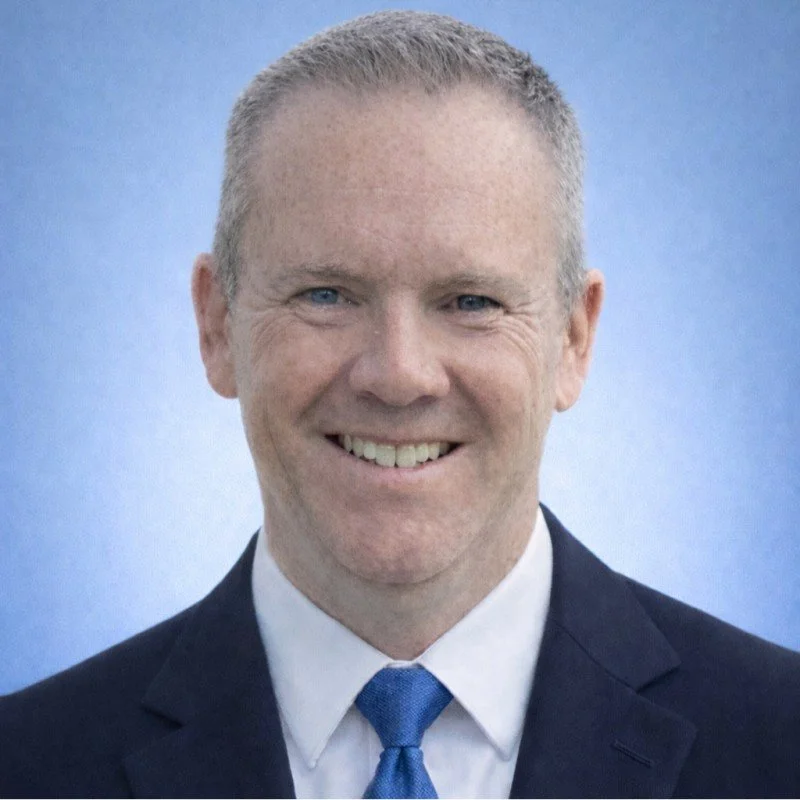
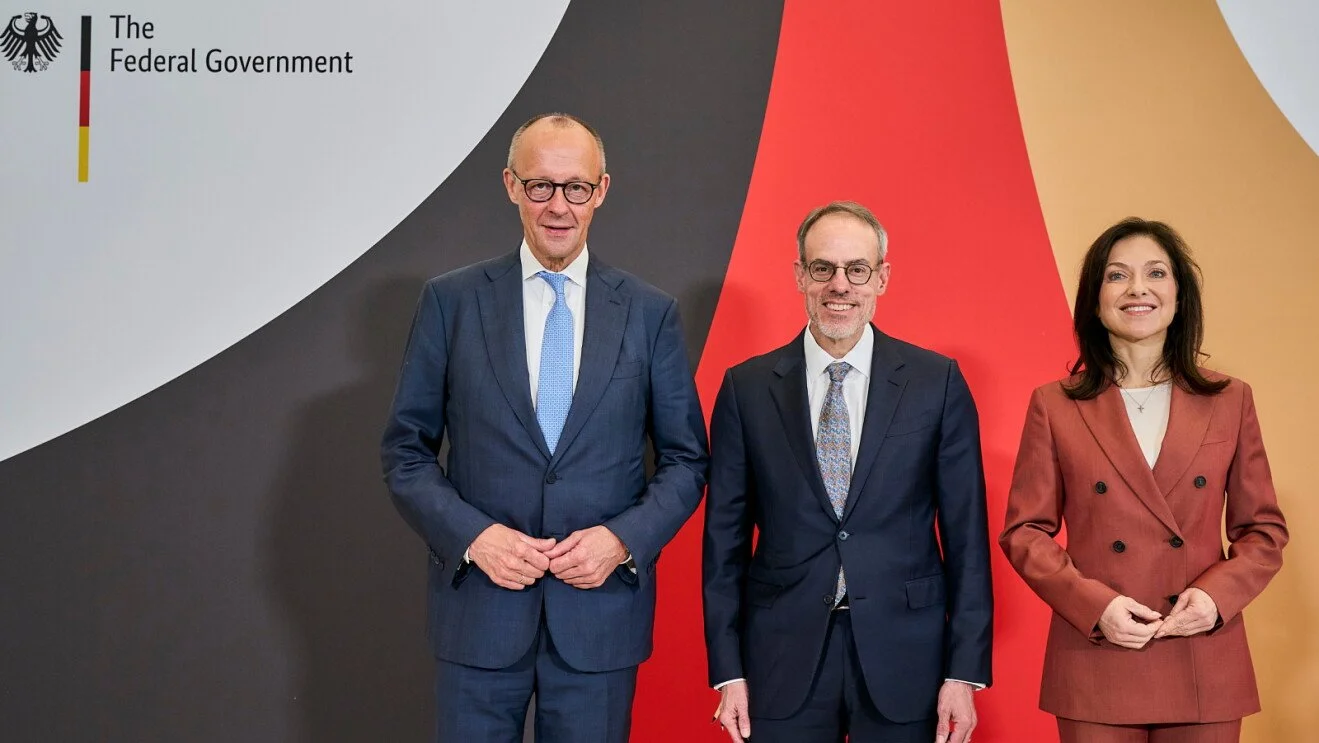
Chris Barry, President of U.S. Public Sector Industries at Microsoft and a Corporate Vice President, highlighted the results on LinkedIn. He wrote: "Students across the country are already using AI to solve real problems and build practical skills for the future of work." Barry noted that the teams from Washington stood out in a strong field, adding that expanding access to AI education and tools is how participation continues to scale across sectors, including government.
Scale of participation
Teams range from individual students to classroom-sized groups, depending on the category. Elementary entries (grades K-5) are led by educators or community groups such as 4-H clubs, while middle and high school teams consist of one to four students with a supervising adult. A separate educator track allows K-12 teachers, including homeschool educators, to participate in groups of up to three.
Projects were submitted by January 20, 2026, with state champions announced on March 16. Regional championships ran from March 27 through April 13, and regional champions were announced on April 16. National championships are scheduled for June 2026.
The challenge is administered through the Oak Ridge Institute for Science and Education (ORISE) and overseen by the Department of Energy.
The state champion lists reveal hundreds of named students across the country, with some of the largest teams coming from California, Texas, New York, Florida, and Pennsylvania. Smaller states also fielded competitive entries, with Nebraska's champion list featuring a single student, Thanvi Bhat, and New Hampshire sending a two-person team.
ETIH previously reported on the executive order that established the challenge, which directed the creation of the competition to foster AI interest and competency among young people and prepare students for what the order described as an AI-assisted workforce.
The regional champions are now confirmed, and all eyes turn to the national finals in June, where the question shifts from who qualified to what the students have built.