Google brings back its free AI agents course after reaching 1.5 million learners, this time with vibe coding
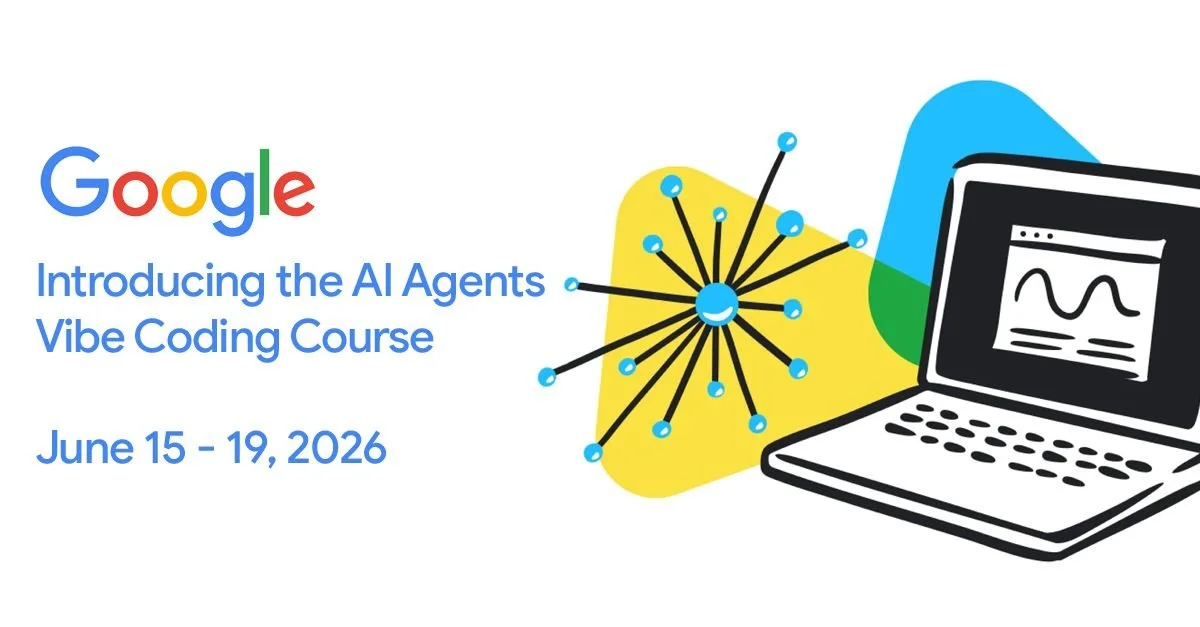
Google and Kaggle have opened registration for a free five-day AI Agents Intensive Vibe Coding Course running June 15 to 19, 2026.
Google and Kaggle have opened registration for a second run of their free five-day AI Agents Intensive Course, updated with new content on vibe coding workflows, production deployment, and a hands-on capstone project.
The first edition, launched in November 2025, reached more than 1.5 million learners. Registration is open now for the course running June 15 to 19, 2026, at no cost.
The course is developed by Google researchers and engineers and covers the full arc from foundational agent concepts to scalable, production-ready systems. The most significant update is the introduction of vibe coding workflows, where natural language replaces traditional code as the primary programming interface for building AI agents. That shift substantially lowers the barrier to entry, opening the course to learners without formal programming experience.
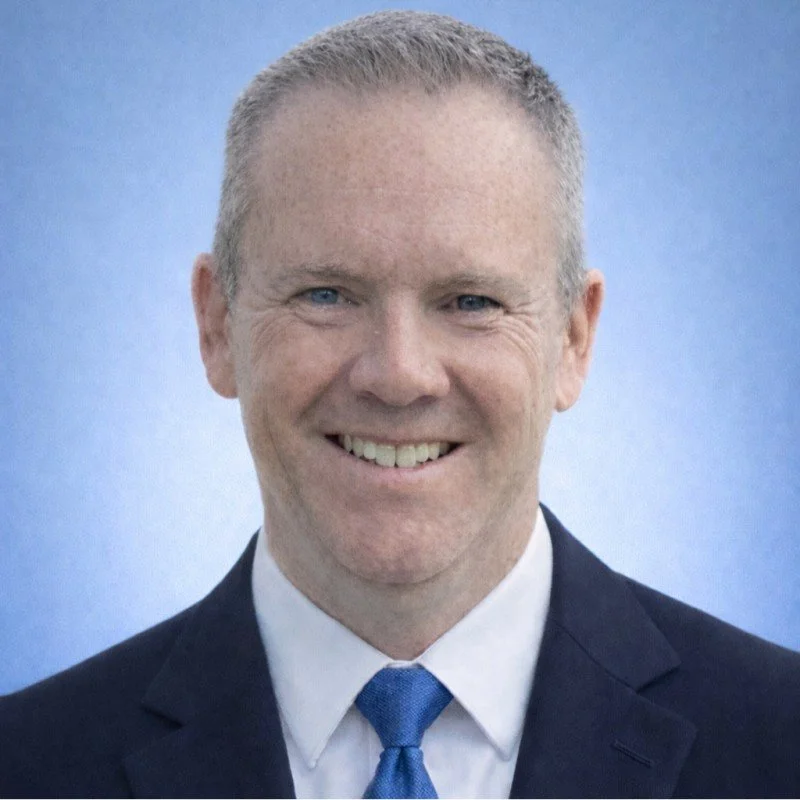
Neil Hoyne, Chief Strategist at Google, took to LinkedIn to promote the launch. He wrote: "No, you won't need a CS degree to build with this stuff anymore. That's the part that's actually changed. Show up, pay attention, build something."
Five days from foundations to production
The course covers a structured progression across five days. Day one introduces agents and vibe coding, framing natural language as the new coding language and moving participants beyond chatbots and text completion into autonomous agent design. Day two covers agent tools and interoperability, including external APIs, code execution, and agent-to-agent communication.
Day three focuses on context engineering, covering sessions, skills, memory, and strategies for optimal token use. Day four addresses agent quality and security, including testing, guardrails, quality evaluations, and protection against new threat vectors. Day five takes participants from prototype to production, covering cloud deployment, debugging, observability, and graduating local agents into enterprise-ready tools.
Each day includes whitepapers, a companion podcast, hands-on code labs, and a daily livestream on Kaggle's YouTube channel featuring course authors and Google engineers. Discussion takes place on Kaggle's Discord server with dedicated channels for the event.
A capstone project with real stakes
The course culminates in an optional capstone project in which participants build a working AI agent. Submissions must include a Kaggle writeup documenting the agent, a video explanation, a brief rationale, and a link to the code. The capstone goes live at the end of day five on June 19, with submissions due by June 30 at 11:59 PM PT.
Participants who complete the capstone earn a badge and certificate on their Kaggle profile, with top submissions receiving Kaggle swag and recognition across Kaggle and Google's social media channels.
Hoyne framed the updated course as a significant step forward from the first edition: "Last round pulled in 1.5 million people. But this time will probably be even more popular thanks to some fantastic new updates."
The course requires a Kaggle account with phone number verification and a Google AI Studio account, both free. Livestreams and recordings are available to all registrants, though certain tools including the Gemini API and Kaggle notebooks are restricted for residents of sanctioned countries and anyone under 18 years of age.