CodePath and Anthropic team up to open source what they are learning about AI's real impact on students
The Knowledge Network, announced at ASU GSV and built around a nine-month observational study across thousands of students, will share live research findings with decision-makers in education, workforce development, and philanthropy before they become public.
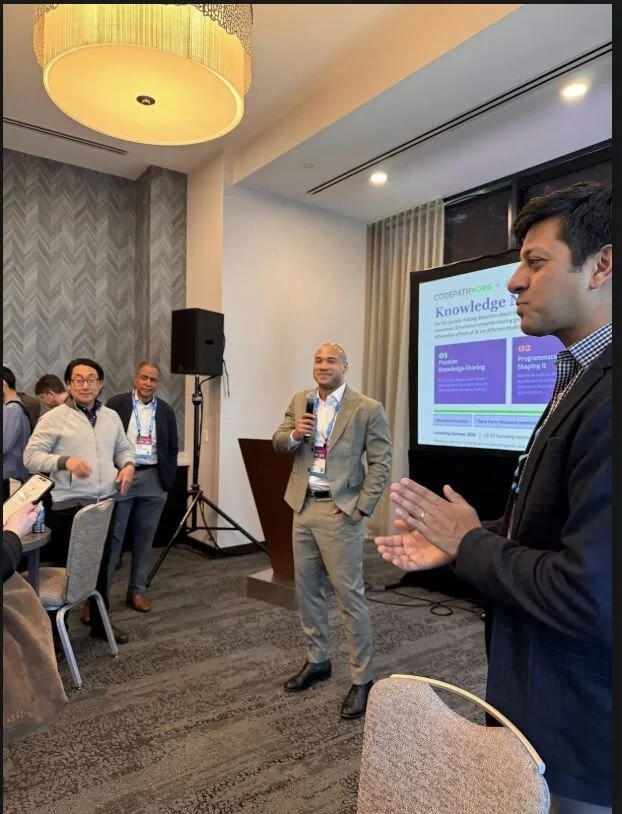
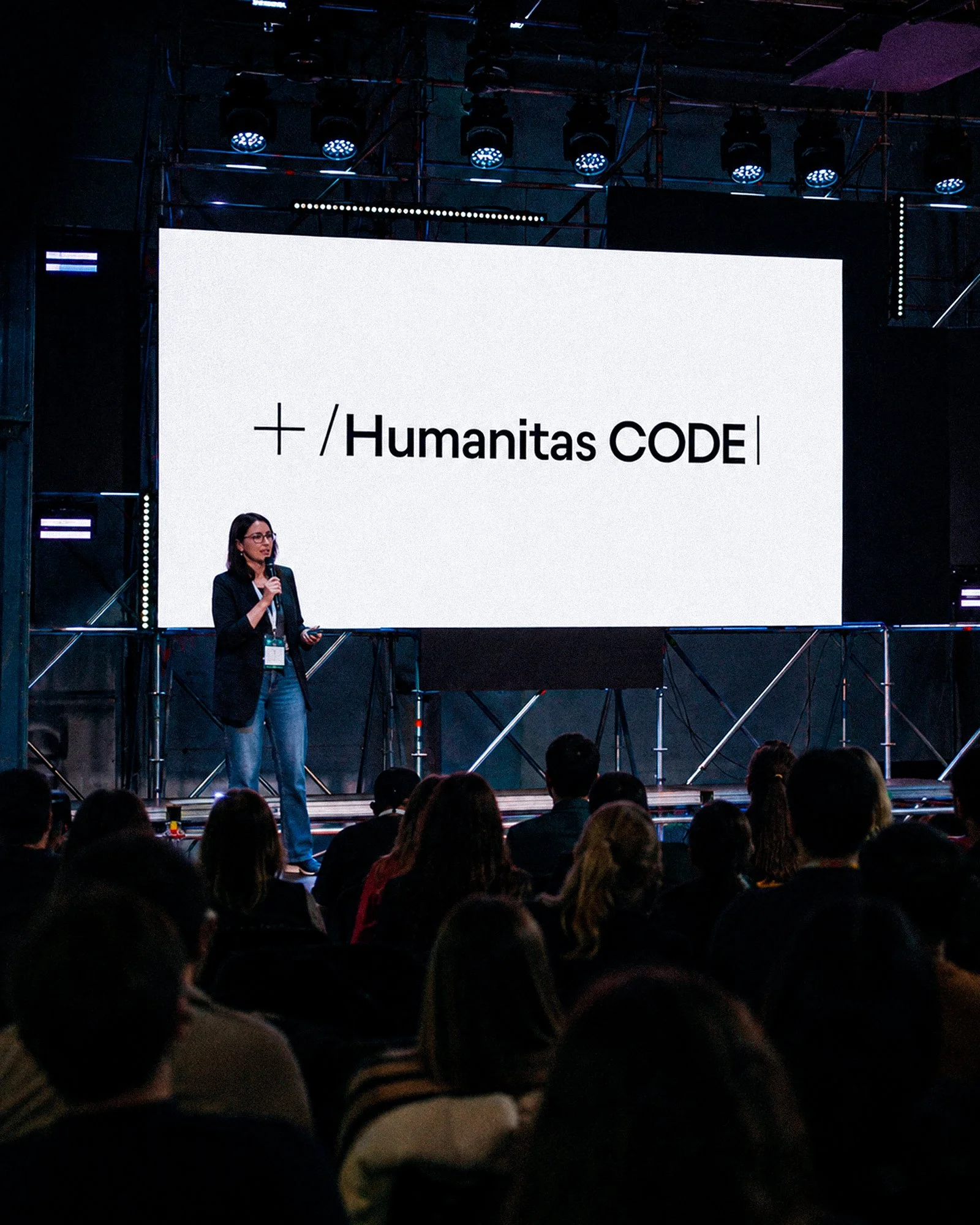
The CodePath and Anthropic Knowledge Network was pressure-tested at ASU GSV last week with approximately 50 leaders in the room.
CodePath and Anthropic have announced a Knowledge Network designed to share real-time research findings on how AI tools affect student outcomes, in a partnership that aims to move evidence as fast as the technology it is studying.
The initiative was pressure-tested at ASU GSV last week and is now recruiting founding members for a spring and summer launch.
CodePath, a nonprofit that delivers industry-vetted computer science courses and career support to first-generation and low-income students across more than 1,000 colleges in the United States, has more than 40,000 students and alumni now working at over 4,050 companies.
Anthropic, the AI safety company behind Claude, is partnering with CodePath to run a continuous research agenda inside real classrooms at scale, with the Knowledge Network acting as the mechanism for getting findings into the hands of people making decisions about AI in education.
Michael Ellison, Founder and CEO of CodePath, shared the partnership on LinkedIn: "The idea is simple. Reliable findings shared with decision-makers in real time, while decisions are still being made."
Ellison described the ASU GSV session, co-hosted with Anthropic's Shad Ahmed, as a test of demand among approximately 50 leaders in the room. He wrote: "We asked what evidence they wish they had before making their next big bet on AI. What they'd redesign tomorrow if the data existed. What would need to be true about research for them to actually use it. Two things were clear: the urgency is real, and people are ready to act on better information if it exists."
Two research questions at the center
The partnership is built around a nine-month observational study running across thousands of students, structured around two core research questions. The first asks whether AI tools produce different effects across student subpopulations, examining who benefits, who over-relies on AI, and what design features moderate those outcomes. The second asks how the type of AI scaffolding predicts performance on unassisted assessments, and whether that relationship varies by prior experience or background.
Madison McCormick, Strategic Initiatives Lead at CodePath, took to LinkedIn to outline the research design. She wrote: "CodePath and Anthropic will be running a continuous research agenda inside real classrooms at scale. The Knowledge Network is how the findings move. Organizations involved will get findings before they are public, and feed what they are seeing back into the next cycle."
McCormick described the approach as "open source for evidence, built to move as fast as the technology does."
An equity lens on AI in education
The initiative is explicitly focused on equity, consistent with CodePath's mission to work with first-generation and low-income students. The research questions are designed to surface differential impacts across student populations rather than treating AI tools as having uniform effects. That design choice reflects a growing concern among educators and researchers that AI could widen achievement gaps if its impacts on different student groups are not studied and addressed directly.
Ellison framed the Knowledge Network as potentially transformative for CodePath itself: "This may become the most impactful thing CodePath has ever launched."
The Knowledge Network is now recruiting founding members from higher education system leaders, funders, workforce and talent development organizations, and researchers and practitioners working at the intersection of AI, education, and economic mobility.