Does AI threaten or strengthen cybersecurity in schools?
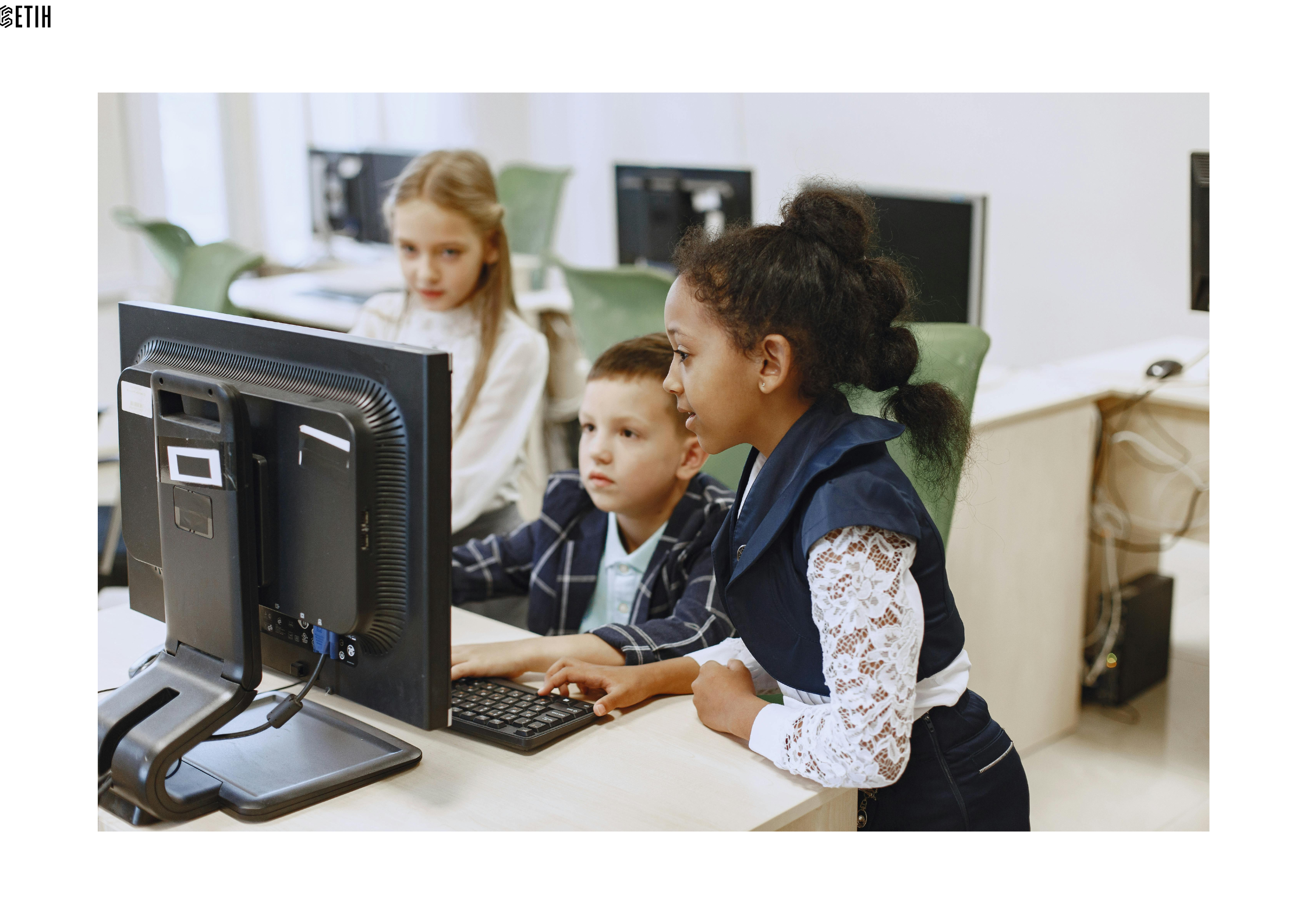
Ever since its recent boom, AI now plays a role in almost every industry, including education. Many schools use AI to protect digital systems, including student and staff records.
AI can help detect threats and respond faster than traditional tools. At the same time, attackers use AI to launch smarter scams and automated attacks. This fact raises a question: Do the benefits of AI-driven cybersecurity outweigh the cons?
How AI Improves School Cybersecurity
First, let's break down the ways AI can improveschool cybersecurity.
AI systems can review enormous amounts of data quickly. This ability helps security tools detect unusual behavior across school networks, while a human might not notice it. For example, AI can spot suspicious login attempts amongst countless data points. When the system detects a problem, it alerts administrators and blocks access.
That quick response can stop attackers before they move through the network. For schools with small IT teams, this kind of automated monitoring can make a big difference. AI tools can also run constantly, unlike human staff, ensuring 24/7 security.
How Attackers Use AI
Unfortunately, the power of AI works both ways. It can help cybercriminals analyze the same databases and improve their attacks.
For instance, one growing problem is AI-generated phishing messages. In the past, phishing emails often contained spelling mistakes or strange wording, making them look suspicious. Now, though, criminals are using AI to create messages that look far more realistic.
Attackers can also use AI to automate hacking attempts. Before AI, criminals usually had a limited amount of password guesses. Now, automated AI tools can scan networks for weak passwords or security gaps much faster than a person.
Privacy Concerns Around AI
Another concern around AI in the education system is that AI security tools rely heavily on data analysis. Tools must monitor network activity, login behavior, and system usage to detect threats.
While this monitoring helps protect systems, it also raises undeniable privacy concerns. Students and staff expect their personal data to remain protected, but schools can't guarantee that when using AI.
Schools must also make sure AI systems follow privacy rules and protect student data. Careless use could lead to public AI models mistreating personal data, which is concerning to staff and students.
Cyber Insurance as a Safety Net
AI-powered cybersecurity isn't without its flaws, so cyber insurance is very much still worth getting. Data breaches and ransomware incidents can still occur, and it's the school's duty to ensure that risk is minimized.
Cyber insurance can be thought of as a worst-case scenario aid. It can help cover recovery costs after a cyber incident, significantly reducing the impact of a serious attack.
Why Schools Need a Balanced Strategy
As we explained earlier, AI tools can play a valuable part in a school's security stack. However, such tools cannot solve every cybersecurity problem. Schools still need strong security habits and clear policies.
Staff training plays an important role here. Teachers and administrators should learn how to recognize phishing messages and suspicious links. You shouldn't just blindly depend on AI to detect them.
Schools should also:
Integrate multi-factor authentication
Regularly update software
Regulate strong password creation and encourage the use of password managers
When schools combine these practices with AI tools, they create stronger protection. The problem is, AI can create a false sense of security, pushing people away from these tried and tested security habits.
Preparing Schools for Future Threats
Overall, AI has a place in modern cybersecurity stacks for schools, but it isn't an all-in-one solution. It can help schools detect threats faster and protect sensitive data, but it can also help criminals access sensitive data. Therefore, the best course of action is to pair AI tools with strong cybersecurity policies, staff training, and support systems. Back this up with cybersecurity insurance, and you will maximize your chances to keep your school safe.