Google gives teachers new AI controls across Classroom and Chromebooks
Educators can now use assignments, grades, and course materials inside Gemini, while new controls and third-party integrations are planned for the coming months.
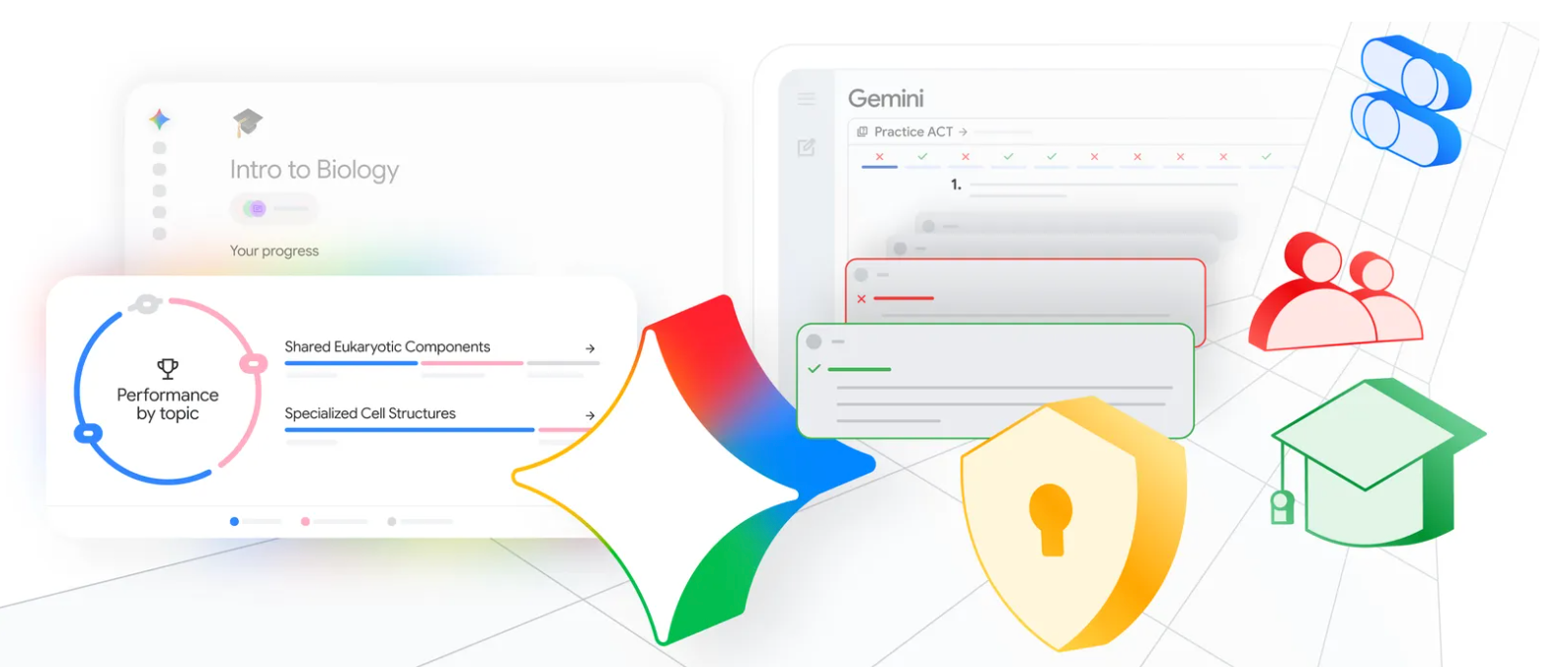
Google is adding teacher-led AI controls across Classroom, Gemini, and Chromebooks, with class progress insights and secure learning environments
Google has connected Google Classroom with Gemini, allowing educators to use existing assignments, grades, and course materials when reviewing student progress and creating teaching activities.
The Classroom app in Gemini launched on June 25 through Google Workspace for Education. It gives teachers access to class-specific information without requiring them to manually transfer materials into a separate AI prompt.
Google is also preparing teacher-led activities across Gemini, NotebookLM, and Google Classroom, alongside Chromebook controls that can restrict students to approved learning environments during lessons.
A planned Google Classroom Model Context Protocol server will allow selected external EdTech platforms to reference authorized class information. Google has not named the first platforms that will use the connection.
The additional teacher-led activities, learning management system integrations, Chromebook controls, and Model Context Protocol server are due over the coming months, although Google has not published individual rollout dates.
Gemini can analyze assignments and course materials
The Classroom connection allows Gemini to work with information already held inside an educator’s class environment.
Teachers can ask Gemini to review recent assignments, identify areas where students may need further support, and draft activities based on the materials already used in class.
Google gives the example of an educator reviewing three assignments to identify topics that may need to be taught again. Gemini can then use the relevant class content when suggesting a follow-up activity.
The feature also reduces the need for teachers to repeatedly upload or describe their curriculum context when using AI for lesson preparation.
Google says data accessed through the Classroom app remains within Google Workspace for Education and is not used to train its AI models.
Teachers will control student AI activities
Google plans to add teacher-led learning activities using Guided Learning in Gemini, NotebookLM, and Gemini study notebooks.
Educators will select the assignments, readings, and other class materials used to ground each activity. They will also receive information about how students are interacting with the content at individual and class level.
The planned activities include quiz preparation, interactive study guides, homework support, and structured Guided Learning sessions.
Teachers will be able to assign a study notebook based on their own class materials directly through Google Classroom. Student and class-level information will show where additional instruction may be needed.
Google is also bringing Gemini in Classroom to students of different ages through activities grounded in approved course content. The tools will include quizzes, study guides, and Guided Learning experiences.
The company says the student experiences have been developed with input from pedagogy and safety specialists.
Chromebook and EdTech controls are due next
Google is expanding Class tools on Chromebooks to give teachers more control over the digital environment students use during lessons.
Focus Mode can restrict a device to an approved application or resource. A teacher could, for example, keep students inside NotebookLM while they work with selected research materials.
A planned Guided Learning control will allow teachers to direct students into Gemini’s structured learning mode while reducing access to unrelated content.
Google is also developing a Classroom Model Context Protocol server. Model Context Protocol is a technical standard that allows AI products to connect with external systems and information sources.
The server will give third-party EdTech providers a route to reference authorized Classroom context when building connected teaching tools. Google says this could help keep lesson planning, assignments, and other classroom workflows linked across products.
Teacher-led AI activities are also expected to become available through selected learning management systems. Google has not identified those systems or confirmed which Classroom information external providers will be permitted to access.
Alongside the product rollout, Google is working with ISTE and ASCD on the Google AI Educator Series, which aims to make AI training available to six million educators across the United States.
Google is also funding aiEDU to support AI readiness planning in Title I school districts and backing ISTE and ASCD research into the use of AI in student assessment.
The Classroom app in Gemini is available now. The Model Context Protocol server, external EdTech connections, teacher-led activities, and additional Chromebook controls are scheduled to follow over the coming months.