Plumbers, electricians and hairdressers top ‘AI-proof’ careers as Scottish teenagers rethink their future
Half of teenagers surveyed have reconsidered their career goals because of AI, while 55% are seeking skills they believe the technology cannot replace
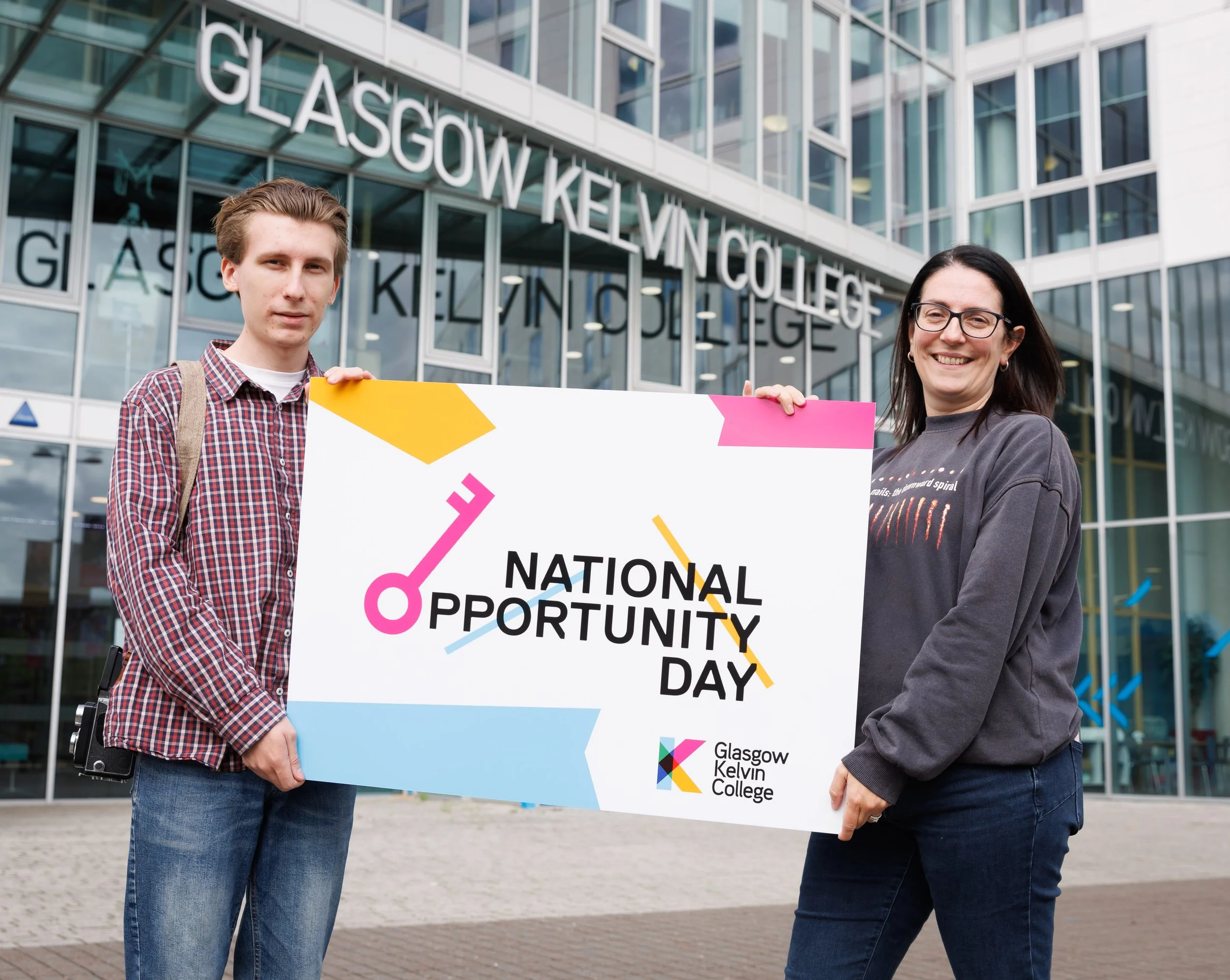
Glasgow Kelvin College commissioned the survey of 517 Scottish teenagers for National Opportunity Day 2026.
Plumbers, electricians and hairdressers are the careers Scottish teenagers surveyed believe are most likely to withstand AI, as the technology begins to influence the jobs and skills they are considering for their own futures.
A survey of 517 secondary school pupils aged 13 to 18 found half had already reconsidered their career goals because of AI. More than half, 55%, were actively looking to learn a skill they believed the technology could not perform, while 60% were excited to develop skills that work alongside it.
Practical and people-focused professions dominated the careers respondents considered “AI-proof,” defined in the survey as jobs they believed would always require people even as AI became more common.
Plumber topped the list at 31%, followed by electrician and hairdresser or barber at 30% each. Nurse was selected by 29%, with mechanic and social worker both receiving 27%.
Chef and engineer followed at 26%, while joiner and teacher were each chosen by 23%. Just 1.7% of respondents said they believed no career was AI-proof.
More than half, 53%, considered colleges the best route into careers they believed were protected from the effects of AI.
Glasgow Kelvin College commissioned the research for National Opportunity Day 2026. Independent insights agency Opinion Matters surveyed teenagers attending Scottish schools between July 24 and July 28, 2026.
Teenagers use AI daily, but are questioning it too
For the teenagers surveyed, AI is not only a future workplace concern. It is already part of everyday life.
Just over half, 50.5%, said they used tools such as ChatGPT, Gemini, Snapchat AI and Copilot at least once a day. This included 9% who used AI three or more times daily.
92%, used AI at least two or three times a week, while only 1% said they never used it. Half of respondents also reported paying for a premium AI service.
Finding information or answering everyday questions was the most common use, selected by 32%. Homework or schoolwork followed at 29%, while 28% used AI to explain something they did not understand.
Other uses included revising for exams at 26%, generating creative ideas at 24%, entertainment at 22%, writing emails or messages at 21%, and coding or computer programming at 20%.
High levels of use were accompanied by signs that respondents were questioning the technology. Almost two-thirds, 63%, said the rise of AI had made them question online content more often.
58%, believed they knew when to use AI and when to test themselves without it. A further 56% considered themselves good at identifying AI use in images, social media posts or writing.
Schools are also influencing how teenagers approach the technology, with 53% saying their school had encouraged them to use AI because of the opportunities it offers.
The results show optimism and concern existing side by side. While 54% viewed AI as an opportunity for their career prospects, 56% were worried about its effect on those prospects. The same proportion believed the technology could make finding a job harder.
At the same time, 55% said they knew AI would affect their future but were not worried about it.
Robin Ashton, Vice Principal of Curriculum and Quality Enhancement at Glasgow Kelvin College, says the findings challenge the idea that young people are passively experiencing the growth of AI: “There is sometimes a tendency to talk about young people as though AI is something happening to them, but these findings paint a more nuanced picture. This is a generation growing up with technology and learning how to navigate it.”
National Opportunity Day was created by Glasgow Kelvin College to highlight education, training and career opportunities available at different stages of life. The campaign also seeks to challenge the idea that education and career decisions are limited to one route or moment.