DSIT selects 71 experts to advise on UK science and technology policy
University specialists in computational science, digital inclusion and pharmaceutical research will provide rapid, independent advice to government officials.

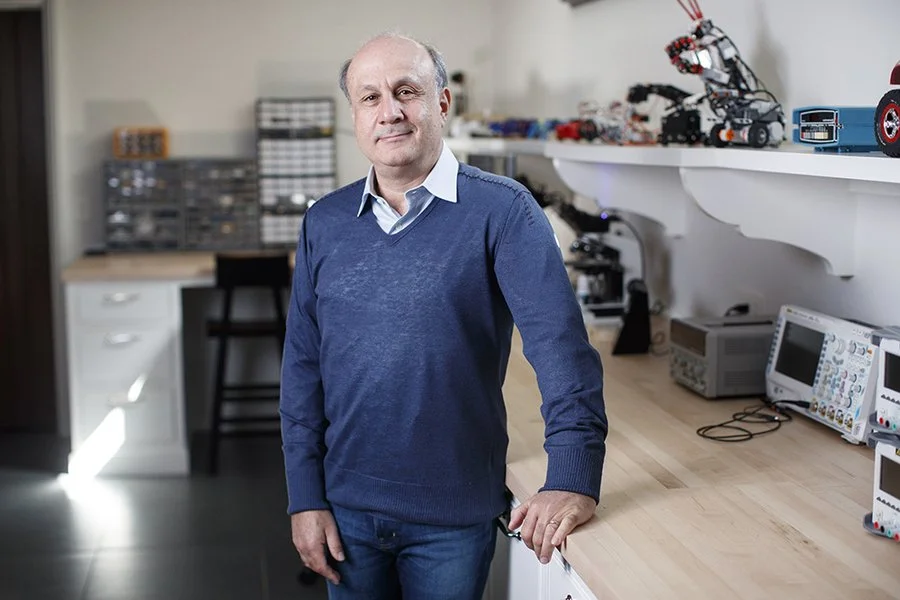
Professor James Hetherington has joined the Department for Science, Innovation and Technology’s College of Experts
The UK Department for Science, Innovation and Technology has appointed 71 specialists from universities, industry and research institutes to a new College of Experts that will advise officials on science and technology policy.
The College was formally launched at the Royal Society in London on June 18, 2026, following a selection process that attracted almost 1,200 applications from across the UK.
Members will volunteer up to five days each year, providing advice through short discussions, workshops, peer review and evidence-gathering exercises. The structure is intended to give DSIT access to specialist knowledge when departments need a rapid response to emerging scientific and technical questions.
The appointments include Professor James Hetherington from UCL Computer Science, Professor Rebecca Eynon from the University of Oxford and Professor Yvonne Perrie from the University of Strathclyde.
Their expertise covers computational science, digital research infrastructure, digital inclusion, skills, pharmaceutical research and vaccine development. Members will now begin supporting DSIT teams across policy areas including artificial intelligence, quantum technologies, life sciences and cybersecurity.
University experts join the new advisory network
James Hetherington is Professor of Computational Science at UCL and brings experience in research software engineering and digital research infrastructure.
His work will support evidence-based policymaking on the use of computing systems, software and digital infrastructure in scientific research.
Rebecca Eynon will contribute expertise in digital inclusion and skills, including questions around who can access and benefit from digital technologies.
Eynon comments: “I am honoured to be appointed to the College and am looking forward to the opportunity to work with experts from across the UK to help inform DSIT’s work on digital inclusion and skills.”
Yvonne Perrie is Head of the Strathclyde Institute of Pharmacy and Biomedical Sciences. Her research focuses on carrier systems for drugs and vaccines, including their use in addressing healthcare challenges.
Perrie was appointed a Member of the Order of the British Empire in the 2024 New Year Honours for services to pharmaceutical innovation and regulation.
Members will provide short-term and specialist advice
The College of Experts will operate as a flexible advisory network rather than a permanent committee working on a single policy program.
DSIT teams will be able to approach members for individual conversations, structured workshops, peer review or support with gathering and assessing evidence. Members come from academic institutions, businesses and research organizations.
Professor Chris Johnson, DSIT Chief Scientific Adviser and Head of the College of Experts, says: “The launch of the College of Experts at the Royal Society brought together an extraordinary group of independent specialists from across the UK, spanning AI, quantum, life sciences, cyber security, and far beyond.
“The experts volunteer their time to support us, reflecting a real commitment from the UK’s research and innovation community to contribute to government policymaking.
“Seeing DSIT colleagues and world-leading academics and practitioners in the same room was a powerful reminder of what this department can achieve when it draws on the best available expertise.”
The College has a broader scientific and technical remit than DSIT’s separate Digital Centre Design Panel, which was established to advise on technology use across public services and the development of a central digital function within government.
That panel focuses on areas including digital service delivery, accessibility and the use of AI in the public sector. The College of Experts will respond to a wider range of policy requirements across DSIT.
Members of the College can contribute up to five days of advice each year. DSIT has not set out a fixed schedule of projects, with specialists instead expected to be called on as policy questions and evidence requirements arise.