MBZUAI names Eran Segal to lead AI research into human biology
The new dean will build a life sciences division around large health datasets and models designed to predict disease, simulate treatments and generate research hypotheses.
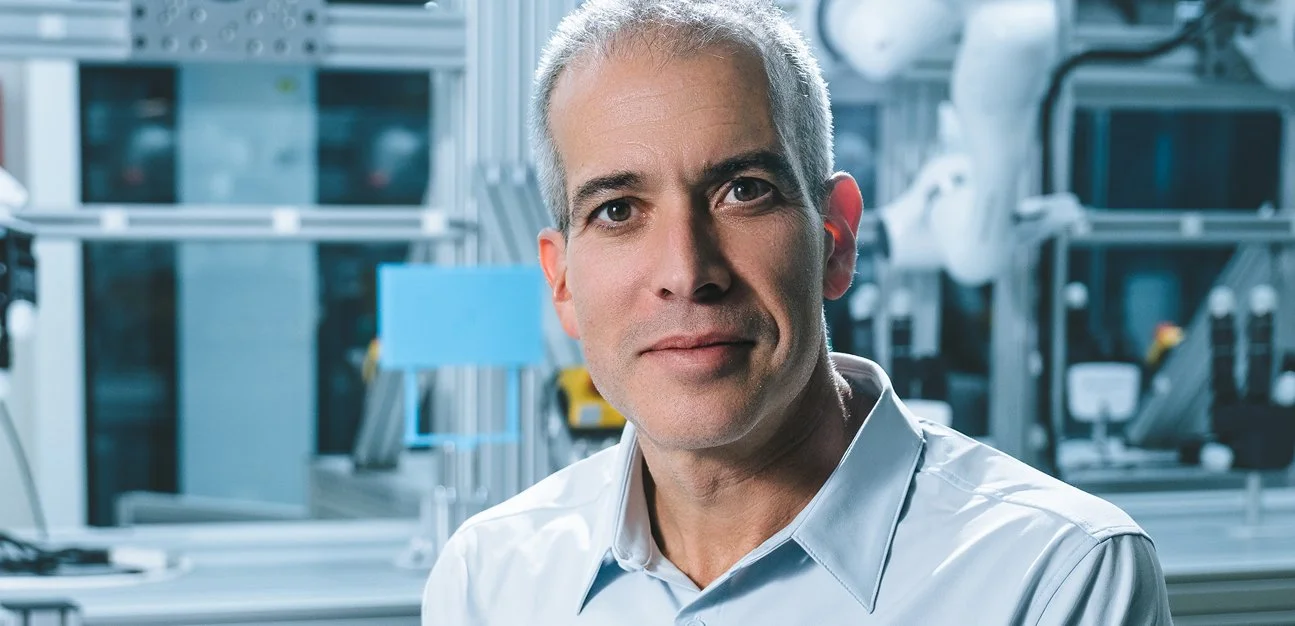
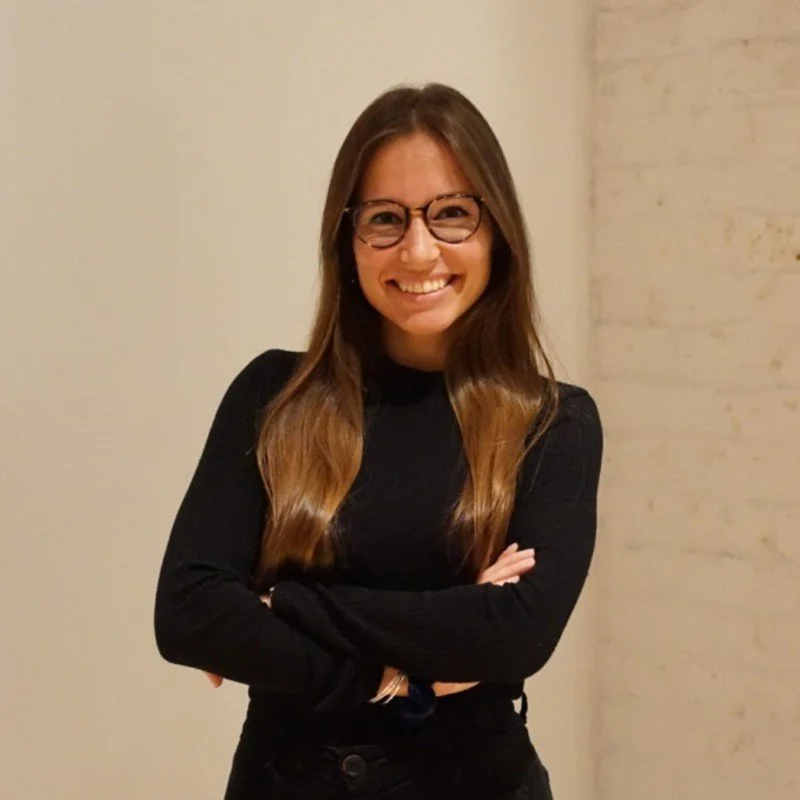
MBZUAI has appointed Eran Segal as Dean of its Division of Biological and Life Sciences to lead research combining AI with large-scale human health data. Image credit: MBZUAI
Mohamed bin Zayed University of Artificial Intelligence has appointed Eran Segal as Dean of its Division of Biological and Life Sciences and Professor of Computational Biology, as the university builds a research program focused on AI and large-scale human health data.
The division, which is less than a year old, is developing research around precision medicine, genomics and models intended to improve understanding of disease and human biology.
The Abu Dhabi-based university says researchers will have access to two large collections of health data: the Emirati Genome Program, which has mapped the genetic information of nearly one million Emiratis, and the Human Phenotype Project, led by Segal.
Human Phenotype Project data covers more than 40 types of information, including medical records, blood tests, genetics, lifestyle, nutrition, vital signs and the microbiome, the community of microorganisms living in and on the human body.
MBZUAI plans to recruit additional researchers and use the datasets to develop predictive, simulation and generative AI models. The university has not provided a timetable for the first models, funding figures for the division or details of how external researchers will be able to access the data.
Large datasets will support biological AI models
Segal is a computer scientist whose research focuses on data-driven precision medicine and the use of AI to model human health.
His previous work includes research into human genomics and the relationship between health and the genetic makeup of the gut microbiome.
Segal says access to large, detailed datasets is essential because AI systems can only learn biological patterns from the information made available to them.
Describing the range of data within the Human Phenotype Project, he says: "It goes all the way from the microbiome to physiology."
The Emirati Genome Program is intended to help researchers and healthcare providers understand hereditary health risks and support more personalized approaches to prevention and treatment.
The Human Phenotype Project takes a broader approach by following multiple biological, medical and lifestyle measures. Its stated aims include identifying molecular markers linked to disease and developing models that can predict when illnesses may begin or how they may progress.
MBZUAI describes the combination of the two projects as one of the most comprehensive collections of human health data available to researchers.
Models could predict health changes and simulate interventions
Segal identifies three broad types of AI model that the division could develop.
Predictive models would use a person’s previous health information to estimate how their health may change over time. Inputs could include medical records, imaging, wearable-device data and laboratory results.
The aim would be similar to giving a language model a prompt, but instead of generating text, the system would produce a forecast of a future health state.
Simulation models would examine how an intervention, such as a medicine, could affect an individual’s biology.
Researchers currently assess treatments through laboratory work and clinical trials involving real patients. These studies can take years and require substantial funding, particularly when a treatment must progress through several stages before receiving regulatory approval.
Segal suggests that sufficiently advanced biological simulations could eventually help researchers test ideas more quickly.
He says: "We aren’t there yet, but the long-term vision would be that you wouldn’t have to do expensive clinical trials that take a very long time because you could simulate the results much more rapidly."
That remains a long-term research objective rather than an available replacement for clinical trials. MBZUAI has not published evidence showing that its planned models can yet predict treatment effects accurately enough for medical decision-making or regulatory use.
Any simulated result would still need validation against real biological and clinical outcomes before it could be relied upon in healthcare.
Generative models would take a different role by identifying connections across large volumes of biological data and proposing new research hypotheses.
Segal argues that these systems could find relationships between genes, physiology, lifestyle, disease and other biological processes that researchers may struggle to detect manually because of the scale and complexity of the information.
Division plans further recruitment and startup activity
Segal says recent improvements in AI coding tools have shortened the time required to turn a research idea into an application capable of analyzing biological data.
The practical constraint, he argues, is increasingly the availability of detailed and reliable health information rather than the ability to build the software.
MBZUAI plans to continue recruiting researchers for the Biological and Life Sciences division, which will combine expertise in computing, health and biological research.
"We will continue to add more researchers," Segal says, "because they want to be able to access this data and collaborate with great colleagues."
The university also expects some research developed through the division to lead to startups within the United Arab Emirates’ wider technology and life sciences ecosystem.
MBZUAI has not disclosed how many researchers it expects to appoint, which initial diseases or biological questions the division will prioritize, or when the first foundation model will be released.
The next phase will focus on expanding the research team and beginning work with the Emirati Genome Program and Human Phenotype Project datasets. Any predictive or simulation models will still require independent evaluation before they can be used in clinical research or patient care.