Sora Schools raises $10M as CEO questions whether traditional education can keep pace with AI
The online middle and high school CEO shared details of the funding round on LinkedIn, alongside a broader critique of how schools prepare students for an AI-driven economy.

Sora Schools has raised $10 million in a new venture round led by existing investors Union Square Ventures and General Catalyst, according to a post shared on LinkedIn by CEO Garrett Smiley.
The round also included new investors Sparkmind Capital, Honeystone Ventures, and LearnerStudio, bringing the company’s total funding to $31 million. Smiley framed the raise as a response not just to growth ambitions, but to what he described as a widening gap between traditional schooling models and the realities of an AI-shaped world.
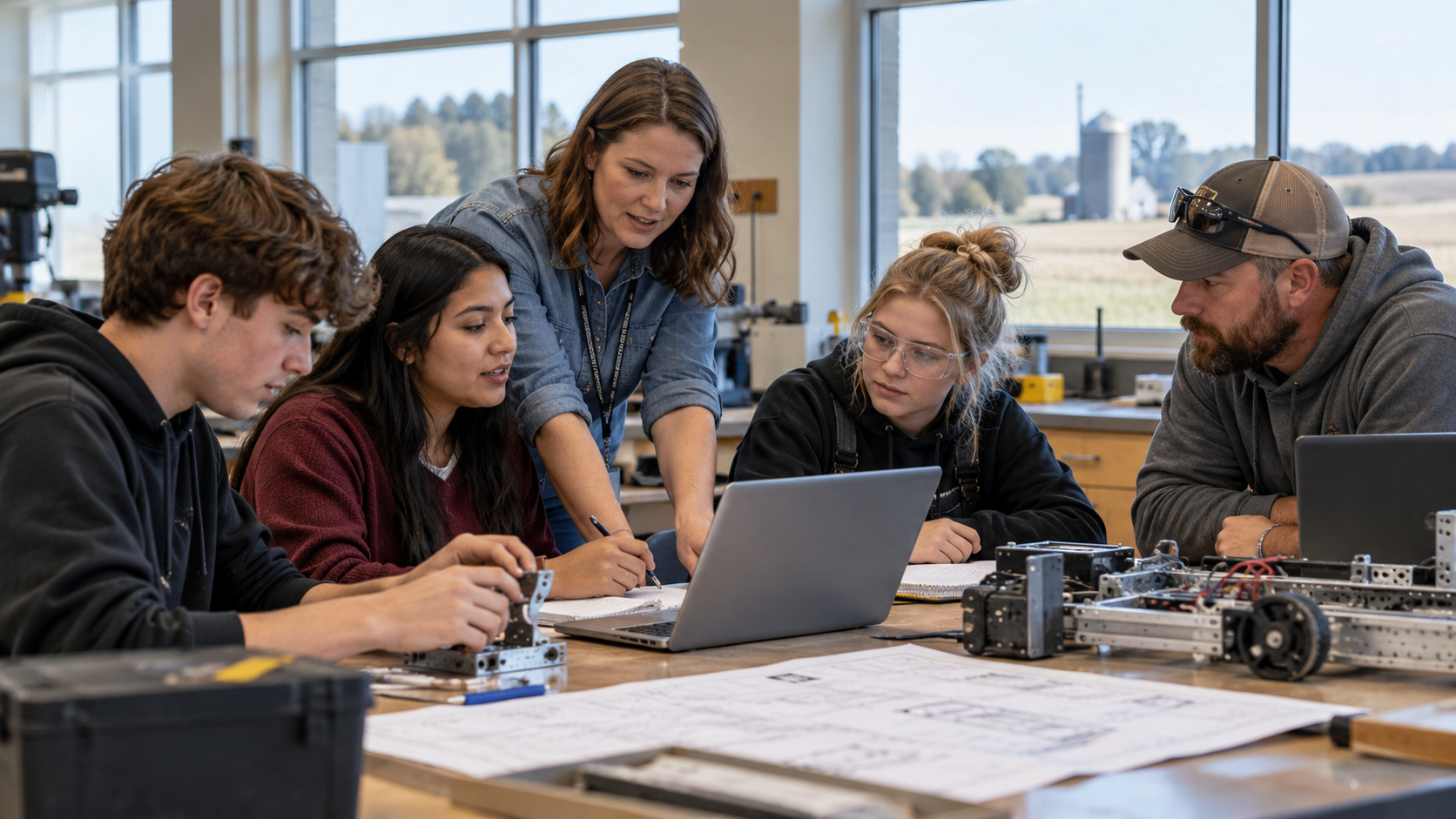
Sora Schools operates an online, project-based middle and high school model, focused on real-world projects, portfolios, and flexible learning formats rather than lectures, tests, and standardized pacing.
Funding tied to critique of conventional schooling
In his post, Smiley argued that many of the structural assumptions behind traditional schooling are becoming harder to justify as artificial intelligence reshapes work and information access.
Smiley wrote, “We started Sora six years ago because middle and high school felt stuck in the past. Most students were disengaged, unhappy, and ultimately unprepared for real life. While Sora has grown fast, that core problem hasn’t gone away. Now, thanks to AI, it’s becoming existential for society.”
He positioned AI as accelerating the limits of systems built around memorization and routine cognitive tasks, suggesting schools risk optimizing for the wrong outcomes. Smiley added, “Traditional school—lectures, memorization, tests—was built for a world where information was scarce and most work was routine. But that reality is fading fast.”
Smiley used the post to outline what he sees as the skills students will need most as AI tools become more capable and widespread, emphasizing personal direction, judgment, and communication rather than content mastery alone. He wrote, “As AI commoditizes repetitive cognitive work, the leverage moves to what’s stubbornly human,” before asking, “So, how do you create AI-empowered humans?”
Smiley identified three core capabilities he believes will differentiate students in the coming years: “Agency,” “Sensemaking,” and “Storytelling,” framing them as skills that help young people operate amid uncertainty rather than follow predefined instructions. He warned that existing measures of student achievement are becoming less reliable in an AI-rich environment, adding, “The old signals—grades, polished essays, ‘completed’ work—are getting noisier by the day.”
Expansion plans follow capital raise
Smiley said the new funding will support Sora Schools’ expansion across multiple formats, including private schools, public school partnerships, regional microschools, camps, and after-school programs, as the organization looks to reach more students with its model.
He concluded by restating the company’s purpose in direct terms: “That’s why Sora Schools exists: an agency-first middle and high school where students tackle real challenges with peers, using technology and content as tools—not the primary goal.”
ETIH Innovation Awards 2026

The ETIH Innovation Awards 2026 are now open and recognize education technology organizations delivering measurable impact across K–12, higher education, and lifelong learning. The awards are open to entries from the UK, the Americas, and internationally, with submissions assessed on evidence of outcomes and real-world application.