MIT Media Lab opens applications for 2026 How To Grow (Almost) Anything course
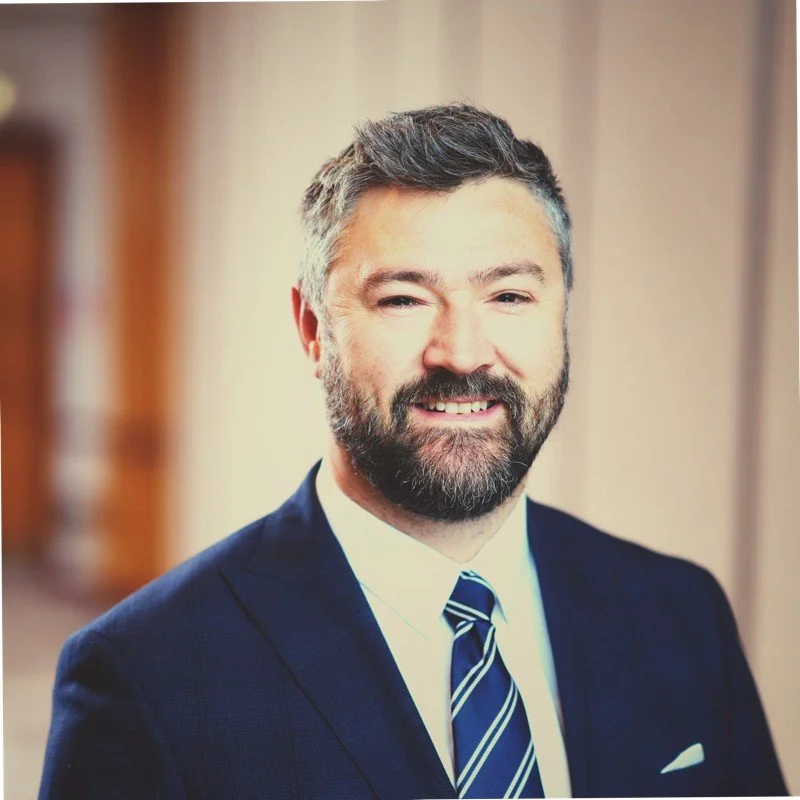
The update was shared on LinkedIn, with course director David Sun Kong confirming global and in-person applications are now open.
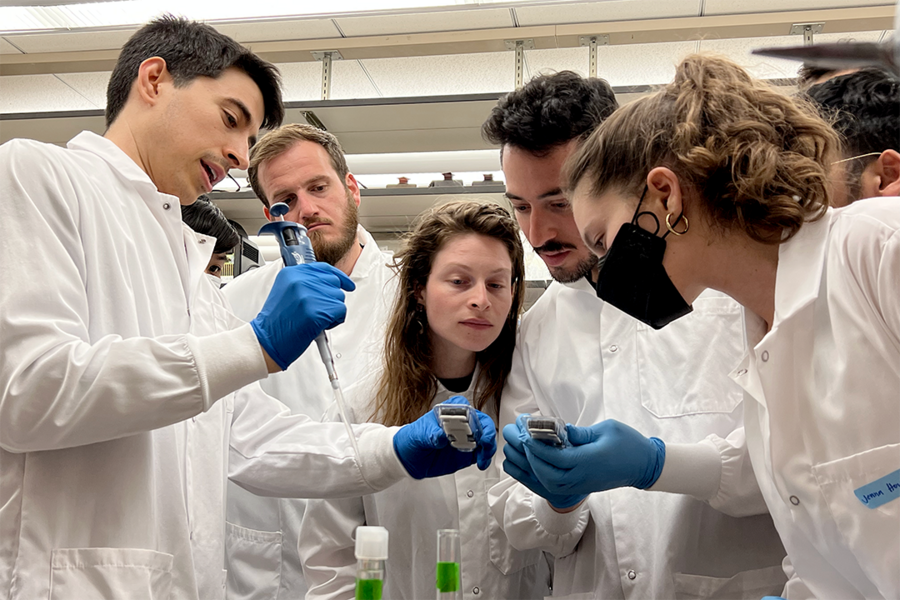
Students taking part in MIT Media Lab’s How To Grow (Almost) Anything course work with nanopore sequencing as part of the program’s hands-on synthetic biology curriculum Photo credit: Laura Maria Gonzalez
MIT Media Lab has opened applications for the 2026 edition of How To Grow (Almost) Anything (HTGAA), a flagship synthetic biology course delivered through its Community Biotechnology Initiative, according to a LinkedIn post shared by course director David Sun Kong.
Kong took to LinkedIn to announce that applications are now open for the next run of the course, which combines in-person teaching at the Massachusetts Institute of Technology and Harvard University with participation from a global network of virtual learners.
David Sun Kong said, “I’m excited to announce that the application for the 2026 edition of our MIT Media Lab and global SyntheticBiology course How To Grow (Almost) Anything is now open!”
HTGAA is a hands-on synthetic biology course that brings together students, researchers, and practitioners to develop lab skills and experimental approaches at the intersection of biology and engineering. Alongside campus-based students, the course accepts global participants through a distributed network of laboratory “nodes.”
Global participation remains core to delivery model
In his post, Kong emphasized that the course continues to operate as a global classroom, with virtual listeners able to join via national and international HTGAA nodes located across multiple regions. Kong added, “In addition to our in-person Massachusetts Institute of Technology and Harvard University students, we also open up the course to a global classroom of virtual listeners.”
He noted that participants can take part through laboratories connected to the HTGAA network and that the community has continued to expand year on year. Kong said, “Each year we have grown our vibrant global community, and are thrilled to have you join us!”
Beyond teaching, Kong highlighted the course’s role in supporting collaborative research across institutions. He pointed to recent projects where students contributed to work on phage therapy and cellular artificial neural networks, with industry partners supporting synthesis and experimentation. He noted, “In 2024 we initiated a project on phage therapy where MIT, Harvard, and global students designed their own lysis proteins.” Kong added that new global research projects are planned as part of the upcoming course cycle.
Applications for the 2026 course are open to participants with a range of backgrounds, including those new to the life sciences. The course will again be led by faculty from MIT Media Lab and Harvard Medical School, with weekly lectures from researchers working across synthetic biology and bioengineering.
ETIH Innovation Awards 2026

The ETIH Innovation Awards 2026 are now open and recognize education technology organizations delivering measurable impact across K–12, higher education, and lifelong learning. The awards are open to entries from the UK, the Americas, and internationally, with submissions assessed on evidence of outcomes and real-world application.