Denford launches four-lane STEM racing track for large-scale education use
New system allows more teams to race simultaneously as schools and centers expand STEM racing programs.
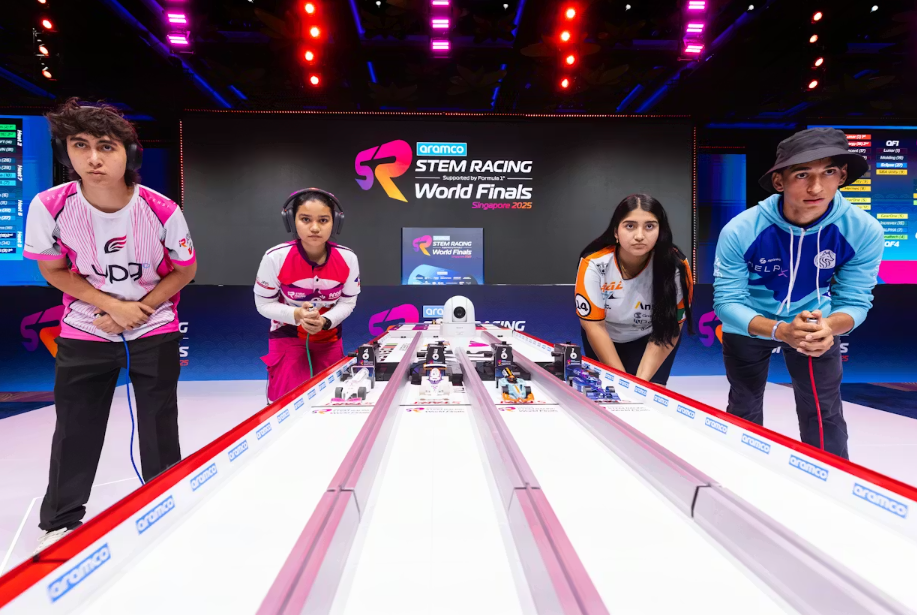
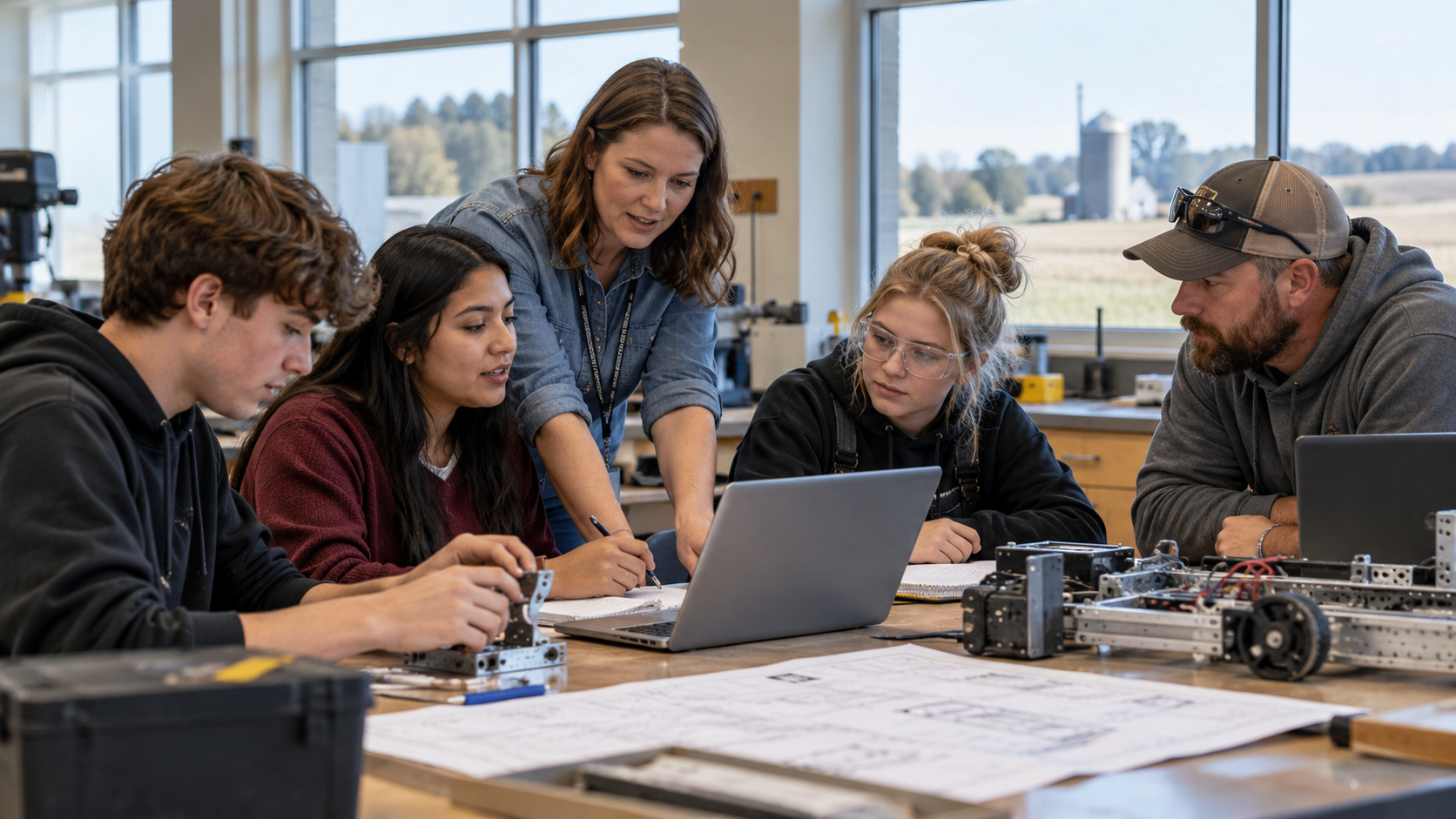
Students compete in a multi-lane STEM Racing event, highlighting the growing use of competition-based learning in engineering and design education
Denford has introduced a new four-lane STEM racing track designed for schools, large-scale events, and STEM Racing Centres of Excellence, increasing the number of teams that can compete at the same time.
The rollout reflects growing demand for scalable STEM infrastructure as participation in racing-based learning programs expands globally.
The system enables four teams to race head-to-head, replacing the standard two-lane format and increasing event throughput while aligning more closely with professional competition structures.
The four-lane setup allows institutions to run more races in less time, with a focus on managing larger cohorts and structured competitions.
Andrew Denford, CEO at Denford and Chairman of STEM Racing, says, “The introduction of four-lane racing adds an entirely new layer of excitement and complexity to the competition. More importantly, it gives students a more authentic, high-performance environment. For Centres of Excellence, it’s about scale as much as experience – enabling more teams, more data, and more learning in less time.”
The system is already positioned for use in larger facilities and competition environments where capacity and efficiency are key constraints.
Integrated race system and real-time data tracking
The track measures 23.65 meters and includes built-in timing sensors, sector tracking, and a race control system with start and finish gates. A 28-inch display and Wi-Fi connectivity provide real-time race data, including reaction times and team performance.
Multiple race modes are included, allowing educators and event organizers to adjust formats depending on learning objectives or competition structure.
The system uses a lightweight aluminum structure designed for assembly and disassembly across events. Custom flight cases with reinforced materials and precision-cut inserts are included for transport and storage.
A halo-based deceleration system is integrated into the final section of the track, slowing cars after the finish line using a cable mechanism aligned with the vehicle design.
The launch comes as STEM racing programs continue to scale internationally, with schools and institutions increasing investment in competition-based learning environments that combine engineering, data analysis, and team-based problem-solving.