Education World Forum closes in London as OpenAI puts national AI education work in focus
The London event brought together ministers and education figures, with discussions covering AI, education reform, non-formal learning, and future skills.
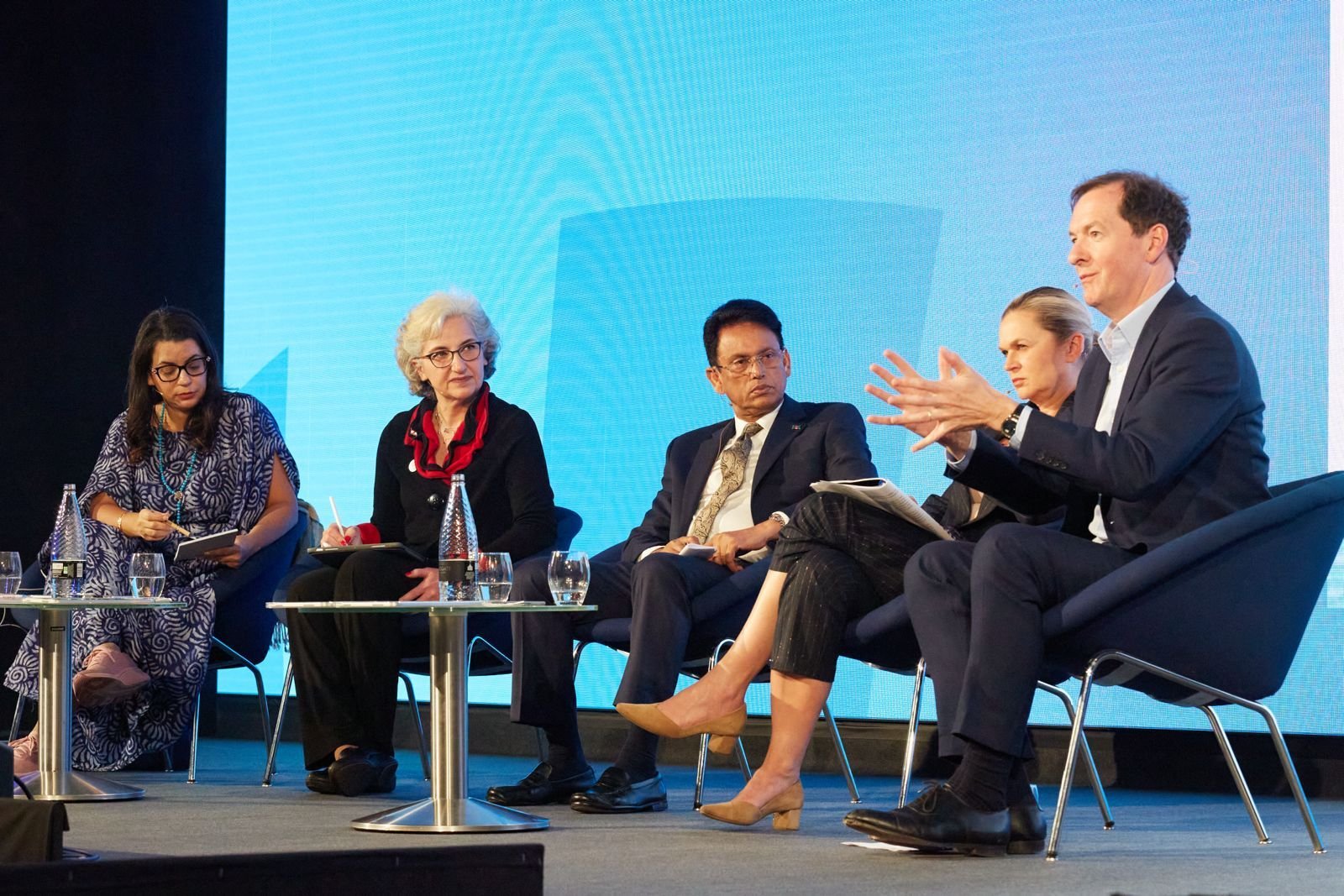
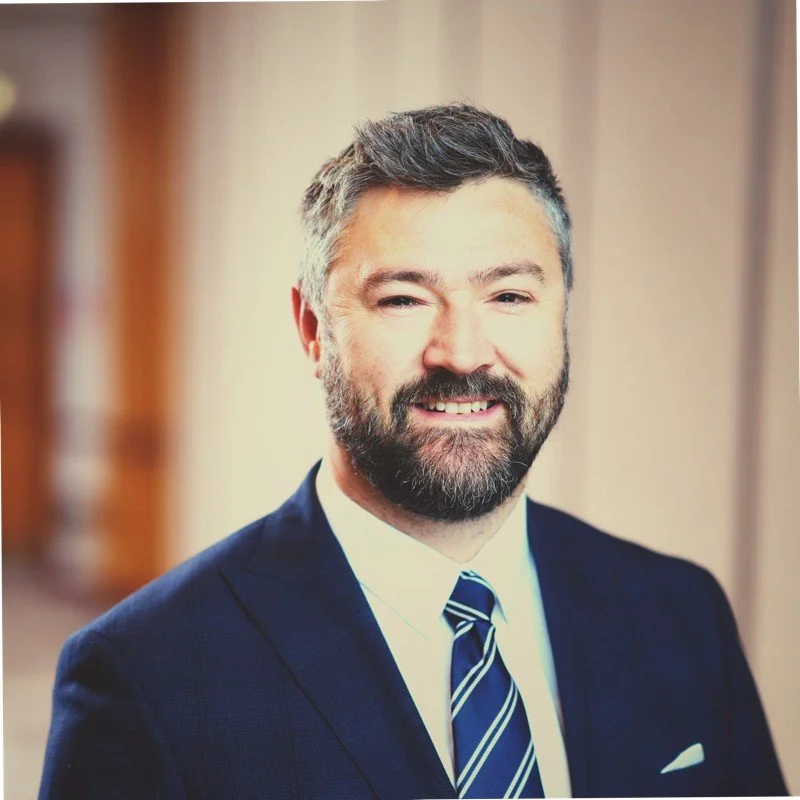
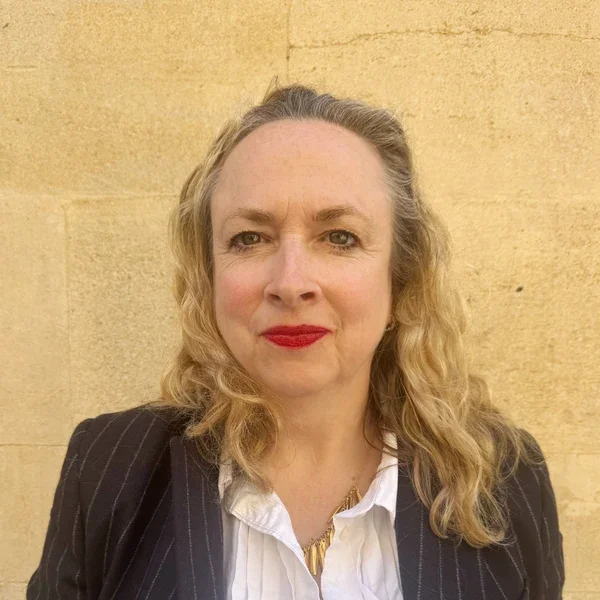
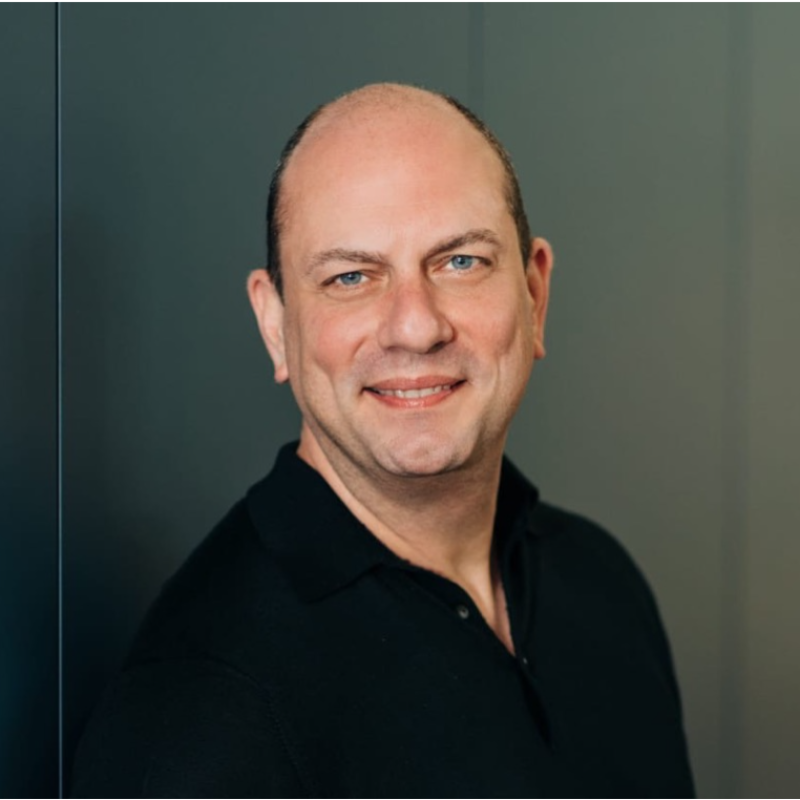
George Osborne, Head of OpenAI for Countries, discussed OpenAI’s Education for Countries initiative at Education World Forum in London. Image credit: George Osborne
Education World Forum 2026 has closed in London after bringing together education ministers and global education figures for discussions on reform, artificial intelligence, and the skills young people need for the future.
The event included a panel on “Prioritising education reform for greater impact”, where George Osborne, Head of OpenAI for Countries, discussed how governments can approach AI adoption across education systems. Other figures named in relation to the discussion included Amel Karboul, Rima Karami, Ehsanul Haque Milon, and Barbara Nowacka.
OpenAI used the forum to highlight its Education for Countries initiative, which works with governments on secure AI tools for learning, teacher training, and research-led deployments. Osborne said students and teachers are already driving use of AI in education, putting policy focus on evidence, safeguards, and implementation.
Education World Forum said the 2026 event welcomed the highest number of ministers in its history. The organization said discussions during the London gathering focused on the future of education “in an increasingly complex and rapidly changing world.”
The event also included a plenary session hosted by HRH The Duke of Edinburgh, Chairman of The Duke of Edinburgh’s International Award Foundation, on empowering learners through non-formal education.
OpenAI sets out education work with governments
In a LinkedIn post following the event, Osborne wrote: "More than 900 million people use ChatGPT each week. Students are the ones leading the adoption curve, and teachers are already using AI in classrooms. The task for policymakers is to make sure adoption is thoughtful, responsible, and grounded in evidence."
Osborne said OpenAI’s Education for Countries initiative is designed to support national AI capability across education systems.
He wrote: "That is the purpose of OpenAI’s Education for Countries initiative. The programme works with governments to build national AI capability across education systems: secure tools for learning, teacher training and enablement, and research-led deployments that measure what actually improves outcomes."
Osborne pointed to examples in Estonia, Greece, and Jordan. In Estonia, ChatGPT Edu reaches more than 20,000 students and 4,600 teachers, with research underway alongside AI Leap, the University of Tartu, and Stanford. In Greece, OpenAI’s AI Startup Accelerator selected 21 AI-native startups from 240 applications. In Jordan, Siraj has supported more than 1 million students and 100,000 teachers.
The post did not disclose funding terms, procurement routes, product pricing, or timelines for wider deployments.
Ministers discuss AI and reform
Barbara Nowacka, Poland’s Minister of Education, also posted about taking part in Education World Forum 2026 in London.
Nowacka said she spoke during the “Prioritising education reform for greater impact” panel about Poland’s “Compass of Tomorrow” reform and the impact of artificial intelligence on modern education.
She wrote that the discussion focused on “how to wisely prepare the school for the challenges of the future.”
Nowacka also said she met with Bridget Phillipson and Georgia Gould while in London. According to her post, the meetings included work on an agreement to introduce Polish as a foreign language into the British education system.
Non-formal education and future skills
The Duke of Edinburgh’s International Award Foundation also used Education World Forum to push the role of non-formal education in preparing young people for work and life.
In a LinkedIn post, the foundation said HRH The Duke of Edinburgh hosted a plenary session with ministers and education leaders on empowering learners through non-formal education.
The foundation wrote: "In a rapidly changing world, young people need more than digital fluency — they need the confidence, resilience, judgement, and sense of responsibility to navigate complexity and lead with purpose."
It added: "Non-formal education plays a vital role in helping young people develop these foundational Human Skills."
Education World Forum said conversations from the 2026 event will continue through the EWF Conversations podcast, and said it is looking ahead to welcoming participants back in 2027.