University of Limerick study finds students use GenAI more than educators but trust it less in assessment
More than 80% of student respondents reported using generative AI, while educators were more open than students to using it in teaching, assessment and feedback.

University of Limerick researchers surveyed students and educators on generative AI use, assessment, academic integrity and future skills
A University of Limerick study has found that students are using generative AI at far higher rates than educators, but are more resistant to its use in assessment and feedback.
The paper, published in Artificial Intelligence in Education, is based on two institutional surveys conducted in late 2024: one with students and one with educators at the Irish university. The research was led by Dr. Mary-Claire Kennedy and colleagues across the University of Limerick’s Academic Integrity Unit, Department of Economics, Centre for Transformative Learning and Glucksman Library.
The study received responses from 158 students and 109 educators. More than 80% of students reported using generative AI, compared with about 53% of educators.
The findings also point to a gap between use and trust. Students were more likely to use tools such as ChatGPT for academic work, but were less supportive than educators of generative AI being used in formative and summative assessment, particularly feedback on summative work.
Kennedy, Associate Professor, Academic Integrity Lead at the University of Limerick and Chair of the National Academic Integrity Network, announced the publication on LinkedIn, saying the surveys provided insights into “use of AI amongst students and educators,” views on “use of AI for formative amd summative assessment” and perceptions of workplace skills and future careers.
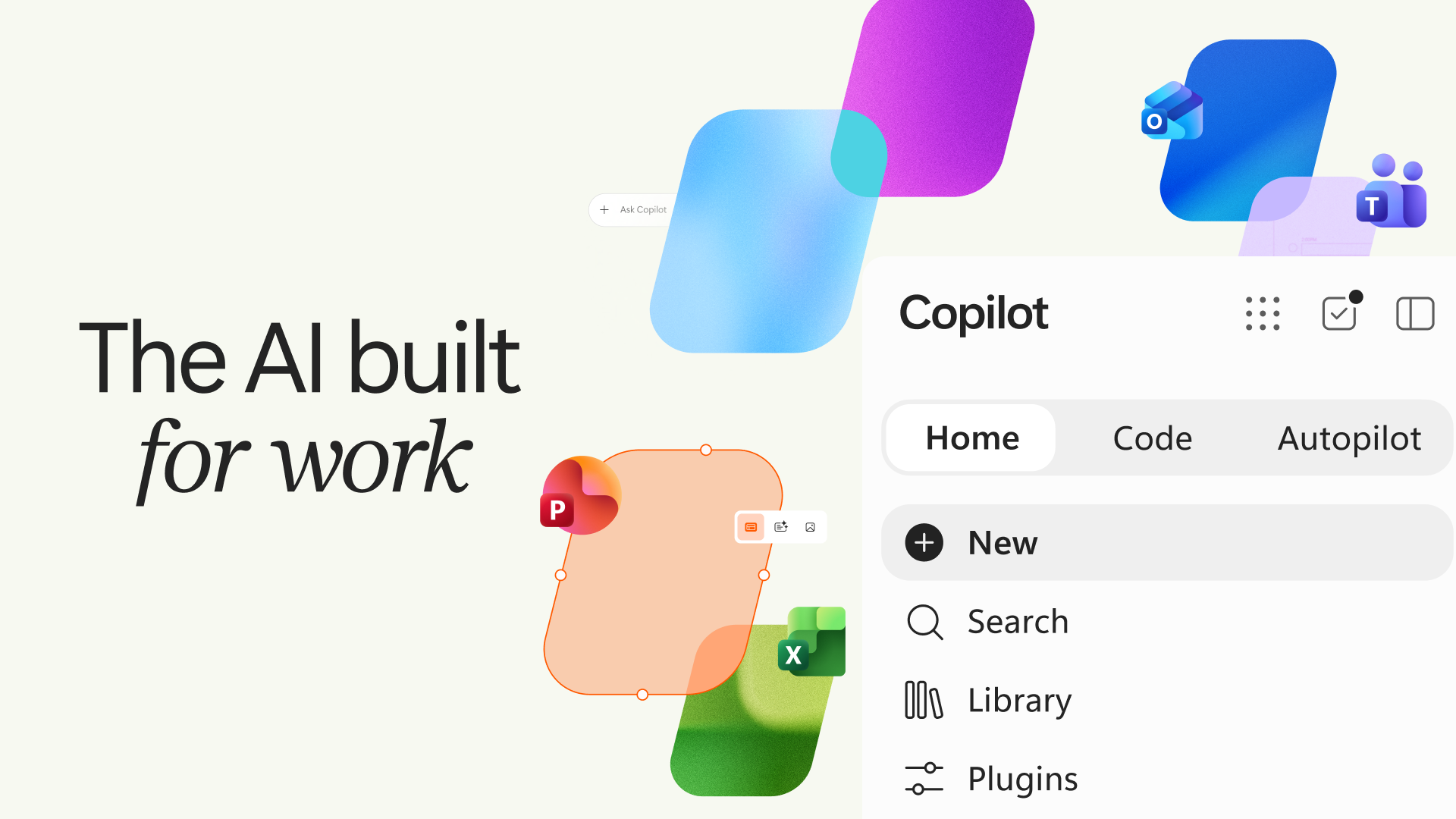
Students use ChatGPT while educators use Copilot
The research found a clear difference in generative AI uptake. Only 14.6% of student respondents said they had never used GenAI, compared with 46.4% of educator respondents.
ChatGPT was the most popular tool among students, with 79.3% naming it as a preferred option. Among educators, 64.4% named ChatGPT, while 59.3% named Microsoft Copilot.
The paper says Copilot’s stronger use among educators may be linked to the Microsoft platform being automatically installed on university staff computers.
Students and educators reported similar use cases once they were using GenAI. Brainstorming was the most common use across both groups, cited by 73.3% of students and 72.9% of educators. Draft editing and spellchecking were also reported, but at lower levels.
The study did not find a statistically significant difference between students and educators in self-rated confidence among those who had used GenAI. Around two-thirds of both groups described themselves as somewhat or extremely confident.
Students more cautious about AI assessment
The biggest divide appeared around whether generative AI should have a greater role in teaching, learning and assessment.
Educators were more likely than students to support more GenAI in university teaching. The study found that 41.3% of educators strongly agreed that university teaching should include more GenAI, compared with 19% of students. By contrast, 22.2% of students strongly disagreed, compared with 5.5% of educators.
The pattern continued in assessment. A majority of both groups showed some support for using GenAI in formative assessment, but student opposition was higher. Among students, 23.4% strongly disagreed with using GenAI for formative assessment, compared with 5.5% of educators.
For summative assessment, the student response was more guarded. The paper found that 34.8% of students strongly opposed using GenAI in summative assessment, compared with 20.9% of educators.
The strongest resistance came around summative feedback. Nearly half of student respondents, 48.7%, strongly disagreed that it was acceptable for a lecturer to use GenAI to provide feedback on summative assessment. Among educators, 35.5% strongly disagreed.
The authors say students may place high value on educator involvement in marking and feedback, even when some students use GenAI themselves to support assessment work.
Academic integrity concerns remain high
The study found academic integrity concerns across both groups.
Among students, 42.4% said they were extremely concerned about breaching academic integrity through GenAI use, while 34.2% were somewhat concerned. Only 23.4% said they were not concerned.
Educators were more uniformly worried. Every educator respondent said they were either somewhat concerned or extremely concerned about students breaching academic integrity through GenAI use.
The student responses also showed uncertainty around permitted use. The paper found that 61.4% of students had used GenAI for academic work, while 25.6% admitted using it when it was not permitted.
Just over half of students, 55.1%, said it was clear to them when GenAI was permitted for assessment. Another 27.8% said it was not clear, while 17.1% said the question was not applicable.
The educator survey found that 76.4% were aware of the University of Limerick’s stance on GenAI. A majority of educator respondents also agreed, at least somewhat, that invigilated exams were the only way to maintain academic integrity.
Career impact recognized, but not equally
Both groups recognized that GenAI is likely to affect future work, although educators attached more importance to it.
More than half of educators, 56.4%, said GenAI would be extremely important for future careers, compared with 36.1% of students. At the other end, 26.6% of students said GenAI would not be important at all, compared with 6.4% of educators.
Educators were also more likely to say GenAI would change the type of work done in future. The paper found that 37.3% of educators strongly agreed with that statement, compared with 25.9% of students.
Student views on GenAI’s benefits were mixed. A majority agreed that it helped them be creative and efficient in learning, but a majority disagreed that it helped them be collaborative.
Educators were more positive about teaching benefits. Most agreed that GenAI helped them be innovative, efficient and supportive of collaborative learning, while a majority also felt they had the skills to integrate AI into their work.
The authors say the findings point to a need for institution-specific AI literacy work, rather than general policy alone. They also warn that the survey response rate was low, with less than 1% of the student population and less than 10% of the educator population responding, so the findings should not be treated as fully representative of the university.
The paper says further consultation is needed before GenAI is widely integrated into assessment processes. It also says there is an urgent need for a systematic approach to GenAI literacy and frameworks for teaching, learning and assessment at institutional and national level.