VodafoneThree makes child online safety a core test of its post-merger strategy
The UK telecoms group has made safer online experiences one of three priorities in a new strategy covering digital access, security and environmental impact.
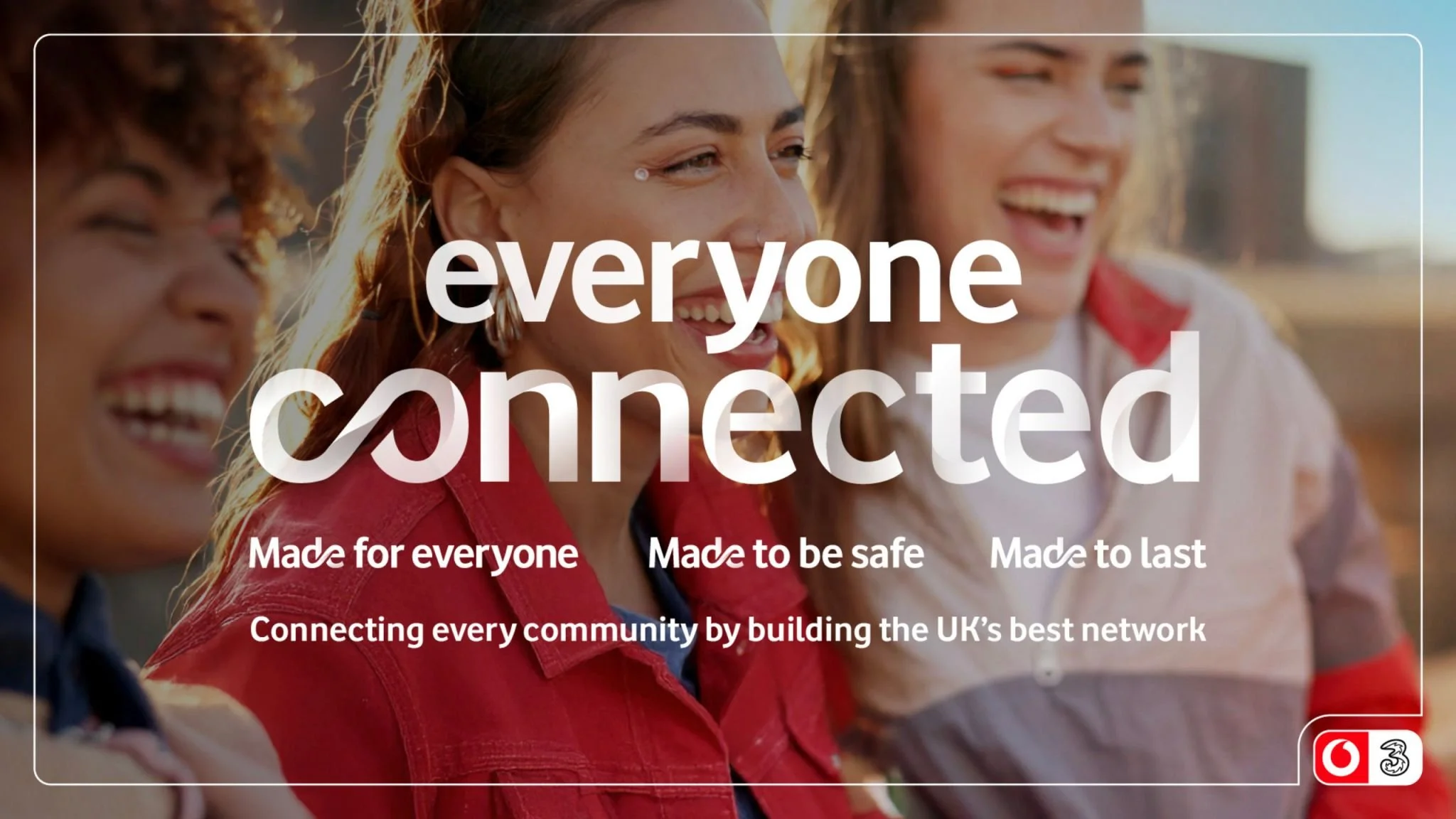
VodafoneThree’s new “everyone connected” strategy includes a commitment to safer online experiences alongside digital access and environmental targets.
VodafoneThree has published its first Sustainability and Social Impact Report, placing child online safety and digital security, setting out plans to expand internet safety training and make support available across its UK retail network.
The report, published one year after the completion of the Vodafone UK and Three UK merger, introduces an “everyone connected” strategy built around digital access, safer online experiences and longer device lifecycles.
Under its “Made to be safe” pillar, VodafoneThree plans to scale the online safety training delivered by its Discovery team across more UK communities, add targeted guidance throughout customer sales journeys and give every retail store access to online safety support.
The operator is also calling for stronger safety-by-design principles for digital platforms, alongside healthier digital habits and more community-led training.
School workshops reach 53,000 students and teachers
VodafoneThree says Discovery’s safer internet workshops have reached 53,000 students and teachers since they began in 2014.
The training includes age-specific workshops, assemblies and classroom activities covering online safety, anti-bullying, digital creativity and coding. Discovery has worked with the London Borough of Islington for nearly a decade, delivering activity across 45 schools.
The wider Discovery program, which also covers digital skills beyond child safety, supported 84,906 people during 2025.
VodafoneThree’s report places this work against figures showing the scale of the risks facing young people online. It cites research finding that one in five secondary school-aged children had felt pressured to share an explicit image of themselves.
Nicki Lyons, Chief Corporate Affairs and Chief Sustainability Officer at VodafoneThree, wrote on LinkedIn: “We have continued to prioritise children’s online safety through our partnerships and Discovery’s safer internet workshops, while providing both businesses and individuals with the services they need to stay secure online.”
VodafoneThree’s existing child safety work includes Vodafone’s partnership with the NSPCC, which has produced The Decision Toolkit for families considering phone ownership and the TRUST toolkit for safer digital habits at home.
Three UK has also worked with Internet Matters to train employees to help families address online risks.
AI chatbots move into the safety conversation
The report gives AI chatbots a prominent place in VodafoneThree’s child safety work. For Safer Internet Day, the operator ran a “Breakfast Club” campaign supported by child psychologist Dr. Elly Hanson. The campaign used cereal-box-style materials to explain how conversational AI works and what it lacks, including empathy, challenge and accountability.
VodafoneThree framed the campaign around using AI as a tool rather than a substitute for human connection and called for clearer protections addressing the effect of emerging technologies on children’s development.
The report cites research finding that conversational chatbots are the AI tools most commonly used by children aged 11 to 16. It also states that 29% of teachers had observed declines in students’ independent thinking or problem-solving skills since the arrival of AI chatbots.
VodafoneThree has not yet attached a separate rollout target, evaluation framework or timetable to its AI chatbot safety work. The planned performance measures due by the end of 2026 will need to show how the operator intends to assess whether awareness campaigns change behavior among children, parents or teachers.
Safety strategy extends beyond schools
VodafoneThree’s safety program also covers fraud prevention, cybersecurity and support for vulnerable customers and businesses.
The operator says its network blocked an average of 1.7 million fraudulent calls each day and more than 139 million fraudulent text messages during 2025.
Its report also includes Secure Net, membership of the Internet Watch Foundation and Stop Scams UK, and participation in government and industry fraud initiatives.
For small businesses, VodafoneThree points to the business.connected program delivered with Enterprise Nation, which has supported one million small and medium-sized businesses with training in areas including cybersecurity.
These measures sit alongside the report’s other two pillars. Vodafone’s earlier everyone.connected program reached its target of helping four million people and businesses cross the digital divide, while VodafoneThree says the integration of the two networks has removed more than 16,500 square kilometers of coverage “not spots.”
The operator is also maintaining targets for net zero operational emissions by 2027 and net zero emissions across its full value chain by 2040.
VodafoneThree will now begin expanding Discovery training, adding safety resources to customer sales journeys and making support available to its retail stores. Its first comprehensive performance measures under the combined strategy are expected by the end of 2026.