Explorance launches AI model to help universities analyze NSS feedback
The MLY model has been developed with six UK universities to help higher education teams analyze National Student Survey comments by theme.
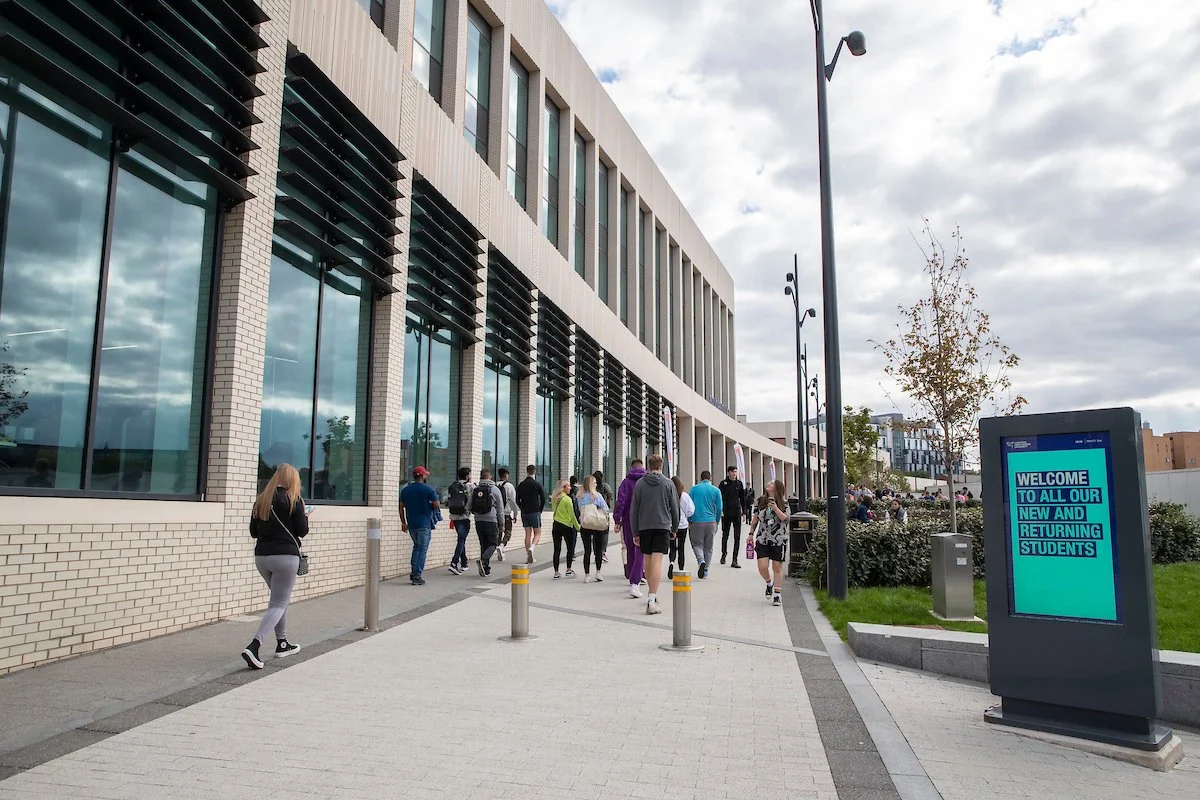
Liverpool John Moores University is one of six UK universities that worked with Explorance on its AI model for National Student Survey feedback analysis.
Explorance has launched a new AI-driven qualitative analysis model for National Student Survey feedback, as UK universities prepare for the publication of the NSS 2026 results on July 8.
The model is part of Explorance MLY, a qualitative feedback analysis platform used to process open-ended comments and organize them into themes, sentiment, recommendations and critical issues. The new version has been designed specifically for NSS open-text responses.
Explorance developed the NSS model with six UK universities: the University of Bristol, Liverpool John Moores University, the University of Manchester, the University of Nottingham, the University of Strathclyde and the University of Westminster.
The model uses 1,200 data points to map qualitative feedback into 10 themes. Seven are aligned with the NSS, while three additional areas are focused on institutional analysis.
Explorance says the aim is to help universities move faster from large volumes of student comments to structured analysis that can inform decisions on student experience, teaching quality and institutional improvement.
Model maps comments to NSS themes
The National Student Survey model builds on MLY’s Student Experience Insights framework, with qualitative data remapped into NSS-aligned categories.
MLY already uses in-house machine learning models built for higher education to categorize qualitative feedback, detect sentiment, redact sensitive content, highlight recommendations and flag critical issues.
Matt Claridge, Director of Sales (EMEA) at Explorance, says: “With NSS 2026 results due out on 8th July, now is the ideal time for institutions to prepare to act quickly on the insights they receive. The NSS produces a large quantity of both quantitative and qualitative data – especially thousands of open-text responses that provide rich insights into student perceptions. Traditionally, analysing this feedback is resource-intensive, time-consuming, and prone to bias or inconsistency. MLY is purpose-built for turning large volumes of qualitative data into structured, actionable insights using advanced AI and machine learning models.”
To support the launch, Explorance hosted Transforming NSS Insights: University Collaboration Behind the MLY NSS Model, a panel discussion featuring MLY customers involved in shaping the model.
Universities helped shape the model
Ufuoma Elegbede, Analyst, Strategy and Insights at the University of Nottingham, says the university began using MLY across other institutional surveys during 2025 before applying it to NSS feedback.
“We began using MLY across other institutional surveys during 2025, so applying it to the NSS felt like a natural next step. One aspect we particularly valued was the collaborative nature of the process – not only with Explorance but also with other universities. Being able to contribute to a solution that could improve how institutions analyse student feedback across the sector was something we were very keen to support. Building this capability manually would require weeks of coding and analysis. MLY enables us to move from a highly manual process to one where insights can be generated much more quickly.”
Explorance says users at Liverpool John Moores University and the University of Strathclyde report that MLY reduces the time and resources needed for manual coding of NSS feedback. Those users say the platform helps survey and research teams focus on interpreting findings rather than categorizing comments.
The platform’s structured thematic analysis and summary features are being used to identify recommendations, areas for improvement and institutional strengths.
Explorance (BlueX) was highly commended in the ETIH Innovation Awards Best Student Engagement and Assessment Tool category, which recognizes platforms that increase student participation and provide actionable assessment and feedback.