OpenAI Foundation puts $250M behind AI jobs, skills, and economic security work
The funding will support grants, open calls, partnerships, and direct Foundation projects focused on labor market data, worker transition, public services, and future economic security

OpenAI Foundation is committing an initial $250 million to work on AI’s economic impact, worker transition, public services, and economic security
OpenAI Foundation is committing an initial $250 million to work on AI’s economic impact, with funding set to support grants, open calls, institutional partnerships, and direct projects focused on jobs, skills, public services, and economic security.
The Economic Futures in the Age of AI program will fund external organizations while OpenAI Foundation builds its own team to work on the initiative. The first projects are expected to be announced later this year.
The program comes as employers, governments, schools, universities, and training providers are trying to plan for how AI will affect work, wages, access to services, and the skills people need to participate in changing economies.
OpenAI Foundation says the funding will support work on labor market measurement, worker support, government delivery, economic security models, and new approaches to sharing the gains created by AI.
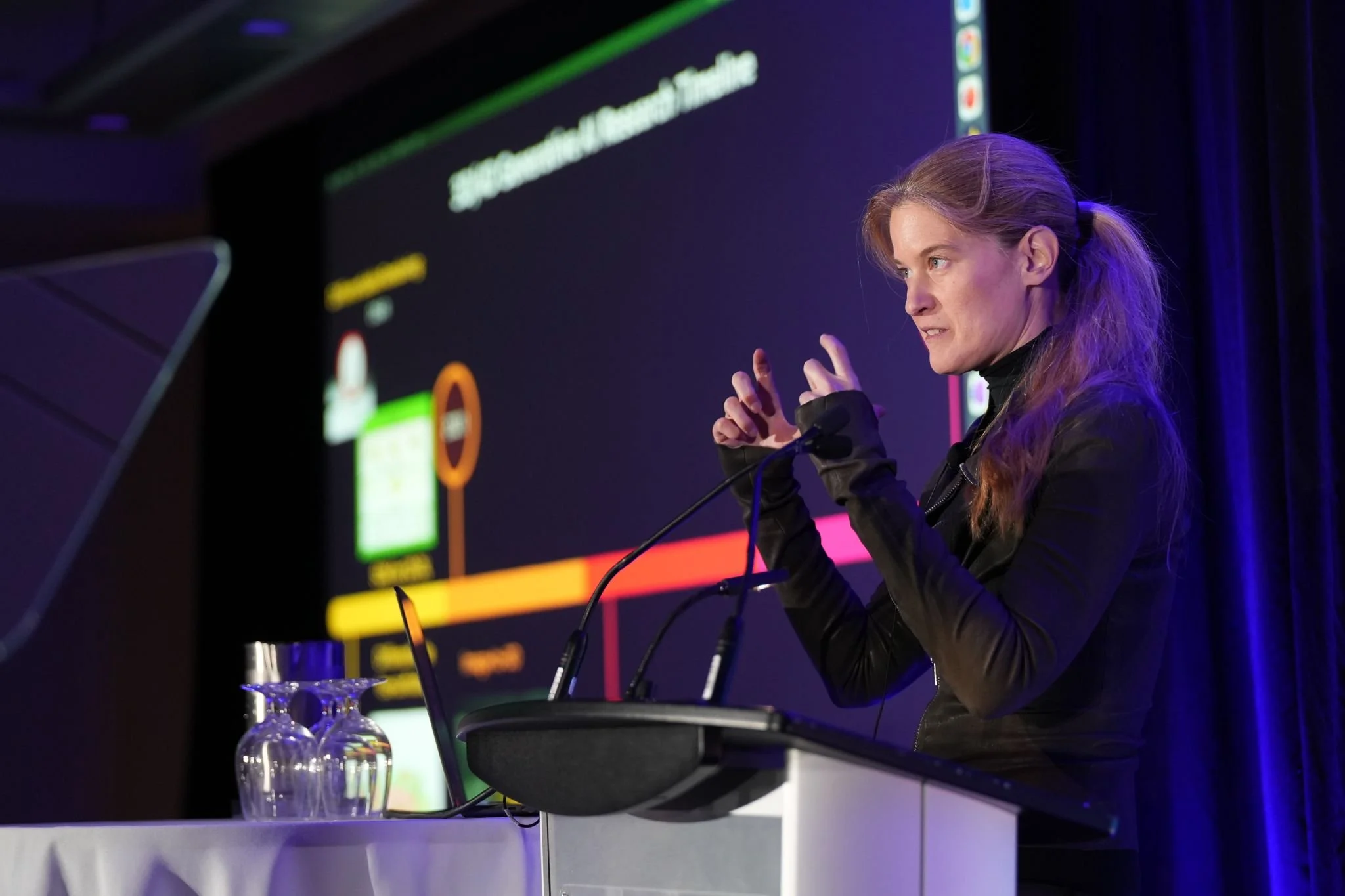
Divya Siddarth and Wojciech Zaremba who co-lead research on AI resilience and societal adaptation at the OpenAI Foundation write that the Foundation wants to resource "concrete institutional options that can be tested, governed, revised, and scaled."
$250M fund targets AI disruption and worker support
OpenAI Foundation’s funding will cover both immediate worker transition and longer-term economic planning.
The program will look at support for people affected by job changes, including job search help, access to unemployment insurance, wage loss insurance, routes into growing sectors, and tools that help people translate existing experience into new roles.
Retraining is part of the agenda, but not the whole answer. Siddarth and Zaremba write that "traditional retraining programs have mixed evidence," with the Foundation instead pointing to broader support that can be judged by whether it leads to better work, more stability, wider capabilities, and more choices.
For education and workforce development providers, that creates a more complicated brief than simply adding AI skills courses. The funding agenda includes career navigation, employment transitions, public service access, and evidence on whether support programs actually improve people’s economic position.
OpenAI Foundation is also looking at how workers and citizens can have more agency over AI deployment. That includes the role of institutions in shaping economic change, not just helping people respond after decisions have already been made.
Labor market data and public services sit inside the program
A major part of the funding will go toward better measurement of AI’s impact on the economy.
OpenAI Foundation says current economic measurement systems were built for a different era and do not give enough clarity on how AI is changing employment, wages, firm behavior, worker transitions, and access to goods and services.
The program will support independent measurement and forecasting infrastructure, including labor market systems that can track employment, wages, job movement, company behavior, demographic patterns, geography, career stage, and changes at job level.
That information gap is already a problem for education systems. Schools, colleges, universities, training providers, and employers are being asked to prepare learners and workers for AI-driven change, but decisions about courses, skills pathways, careers advice, and workforce planning often rely on incomplete data.
The Foundation is also interested in how AI can support public institutions. The program will fund work on state capacity and public service delivery, including tools that could help people with career decisions, legal and financial questions, healthcare guidance, and access to services that are scarce or difficult to navigate.
Siddarth and Zaremba write: "The best-designed program fails if the infrastructure to run it doesn't exist."
The program will also include economic evaluations in different countries, with interest in low- and middle-income markets where AI could expand access to expertise, public goods, and economic mobility.
Foundation looks at longer-term economic security models
OpenAI Foundation is also setting aside funding for work on economic security if AI accelerates automation, concentrates gains, or reduces the share of income flowing through wages.
The program will support research and pilots around ideas that give people a more durable stake in future economic growth. Areas under consideration include shifting taxation from labor toward capital and economic rents, windfall or excess-returns mechanisms, public or sovereign wealth funds, dividends, essential services, jobs programs, access to compute, and data governance.
The Foundation references models such as Norway’s Government Pension Fund and Alaska’s Permanent Fund as examples for further study, rather than fixed templates for the program.
OpenAI Foundation also plans to fund research infrastructure, including multi-agent economic simulations using AI to model how economies could change as AI capabilities improve.
Alongside the funding announcement, OpenAI Foundation is inviting people to share what they are seeing in their workplaces, communities, and economic lives. The first funded initiatives are expected later this year, with the $250 million supporting external organizations, open calls, partnerships, and direct Foundation work.