Cornell Tech researchers join Microsoft-backed agentic AI research program
A research team from Cornell Tech has been selected to join a global Microsoft Research initiative focused on the development and safety of agentic AI systems, marking one of a limited number of awards worldwide.

Cornell Tech has confirmed that a team of researchers from Cornell University, led by Professor Tanzeem Choudhury, has been chosen to participate in Microsoft Research’s Agentic AI Research and Innovation program.
The selection places Cornell among twelve research groups globally working with Microsoft on the next phase of autonomous AI systems, with access to Azure credits and advanced AI tools.
Focus on safety in agentic AI systems
The Cornell-led project, titled Towards the Psychological Security of Agentic AI, examines how safety and psychological wellbeing can be evaluated in AI systems designed to operate with a high degree of autonomy. The research centers on agentic AI systems that can plan, reason, and act with minimal human intervention, particularly those intended to deliver evidence-based mental and cognitive health interventions.
Cornell Tech announced the selection on LinkedIn, describing the work as addressing the challenge of auditing psychological safety in increasingly autonomous AI systems.
Microsoft expands academic agentic AI research
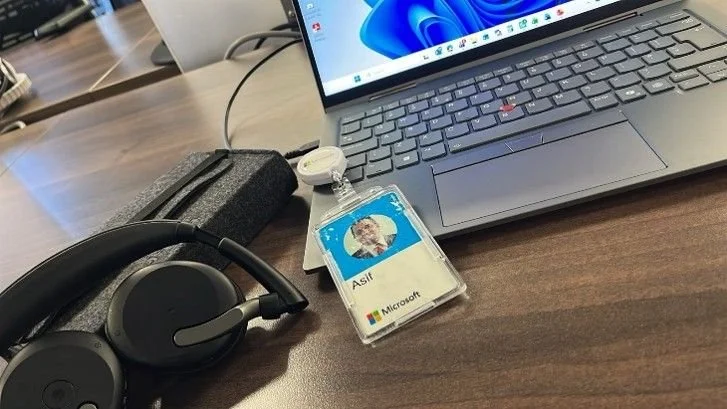
The Cornell project sits within Microsoft Research’s Agentic AI Research and Innovation (AARI) initiative, which builds on the company’s earlier Accelerating Foundation Model Research program. According to Microsoft Research, AARI is designed to support academic work that advances both the technical foundations of agentic AI and the frameworks needed to ensure these systems operate responsibly.
Evelyne Viegas, senior director at Microsoft Research, says: “Agentic AI Research & Innovation enables bold, ambitious ideas that will advance our understanding of the foundations of agentic AI, foster real-world innovation, and embed safety and responsibility at the heart of AI Agent development.”
Microsoft Research describes AARI as a continuation rather than a reset, extending earlier work on foundation models into research on autonomous systems capable of multi-step decision-making.
AARI’s stated priorities include translating research into real-world applications, advancing fundamental understanding of how agentic systems operate, and developing safeguards around safety and responsibility. Microsoft says this includes examining how people may work alongside, direct, or be supported by AI agents in complex environments.
Natasha Crampton, vice president and chief responsible AI officer at Microsoft, says: “AARI will play a critical role in these efforts, bringing together the diverse scientific perspectives necessary to build the next wave of trusted AI technology.”
ETIH Innovation Awards 2026

The ETIH Innovation Awards 2026 are now open and recognize education technology organizations delivering measurable impact across K–12, higher education, and lifelong learning. The awards are open to entries from the UK, the Americas, and internationally, with submissions assessed on evidence of outcomes and real-world application.