Canva hires former Adobe GenAI leader to expand audio and video research
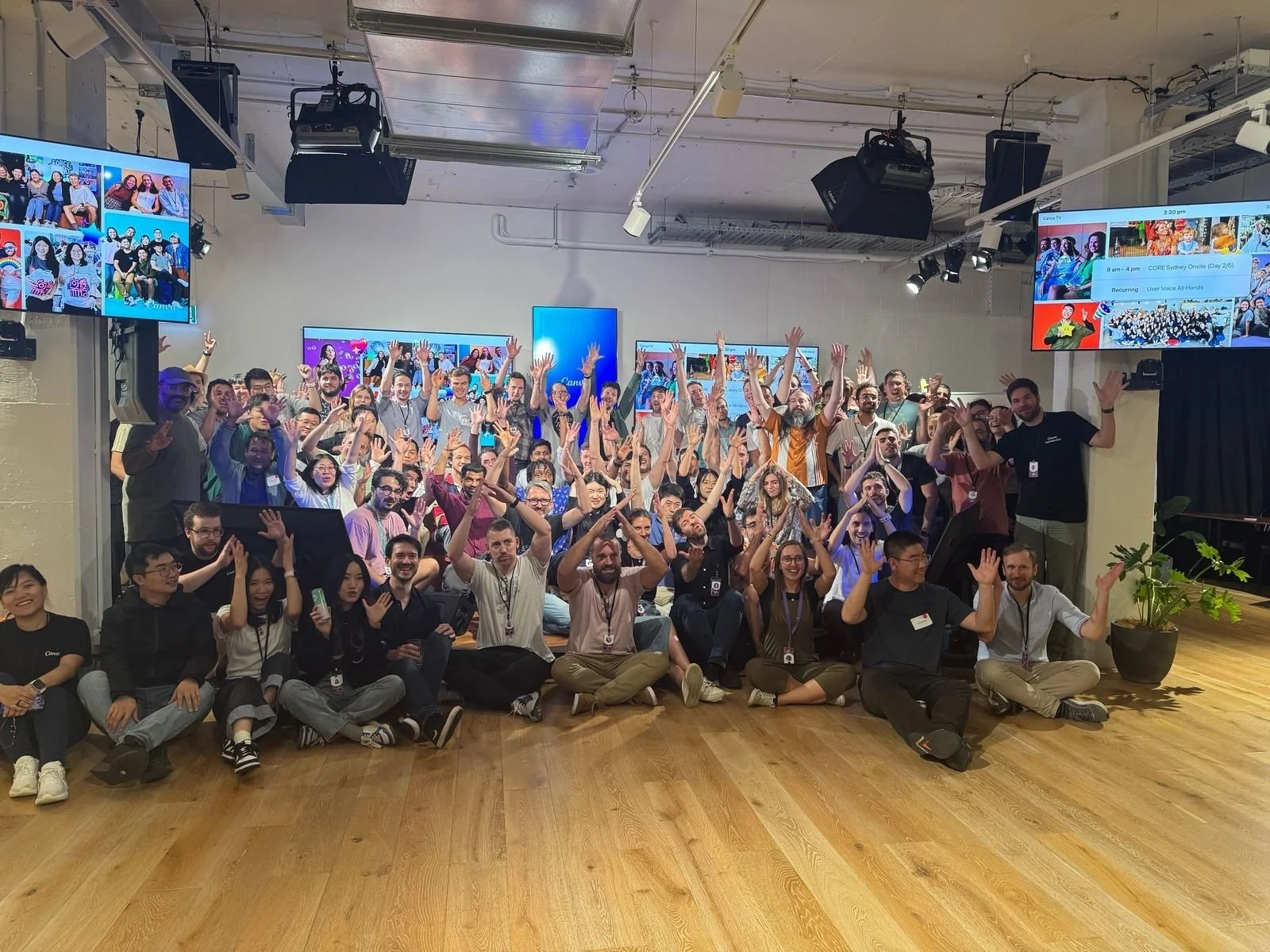
Photo credit: Kshitiz Garg
Canva has appointed Kshitiz Garg as Audio and Video Lead within Canva Research, marking a senior hire as the design platform continues to expand its generative AI capabilities across video and multimedia.
Garg shared the move on LinkedIn, confirming he had joined Canva Research after nearly eight years at Adobe, where he worked on generative AI systems spanning audio and video. His new role sits within Canva’s research organization, which supports the company’s AI-driven product development for its global user base.
Canva operates one of the world’s largest cloud-based design platforms, used across education, business, and creative industries. Its research group focuses on translating applied AI research into production systems used by millions of users, including educators and students creating visual and video content.
Shift from Adobe to large-scale generative video research
In the LinkedIn post, Garg said he had joined Canva Research as Audio and Video Lead and described the transition as a significant career shift following long-term work at Adobe. He acknowledged collaborators from his previous role and pointed to a growing focus on video and audio research within Canva’s AI roadmap.
At Canva Research, Garg said he would be leading research efforts across video and audio systems, working under the direction of Stefano Corazza. He also noted that the role involves building research capability that bridges experimental models and production-ready systems.
“I’m excited to share that after nearly eight incredible years at Adobe, I’ve joined Canva Research as the Audio/Video Lead,” Garg wrote.
Research roles signal scale-up of AI video capability
Garg also confirmed that his team was recruiting research scientists and research engineers across mid to staff levels, with roles based in San Francisco on a hybrid basis and in Australia. The positions sit at the intersection of applied research and engineering, focusing on generative video systems that can operate reliably at scale.
The team’s work includes developing and evaluating diffusion-based video models, improving temporal consistency and controllability, and translating research outputs into production pipelines. The roles also emphasize system reliability, benchmarking, safety considerations, and integration with Canva’s broader product ecosystem.
It signals continued investment by Canva in moving generative video beyond experimentation, toward tools that can be deployed across education, content creation, and professional workflows without compromising performance or governance.
Looking ahead, Garg said he was already engaging with teams across regions and beginning the next phase of research-led development, writing, “It was fun already meeting the team in person in Sydney and looking forward to more adventures.”
ETIH Innovation Awards 2026

The ETIH Innovation Awards 2026 are now open and recognize education technology organizations delivering measurable impact across K–12, higher education, and lifelong learning. The awards are open to entries from the UK, the Americas, and internationally, with submissions assessed on evidence of outcomes and real-world application.