OpenAI adds three education plugins for K–12 teachers, college faculty and students
K–12 Educator, College Educator and College Student bring guided workflows to ChatGPT Work and Codex through institution-managed education deployments
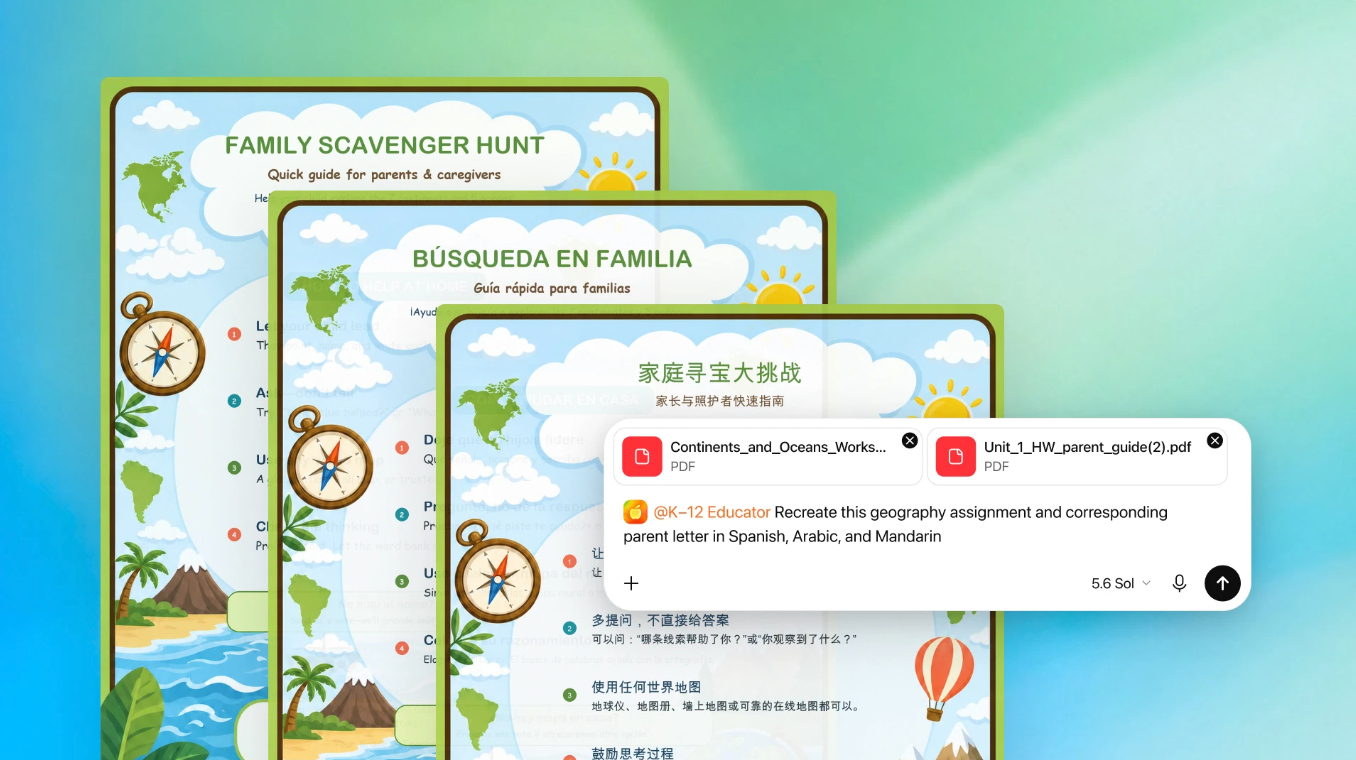
OpenAI’s example shows the K–12 Educator plugin using uploaded classroom files to create translated assignments and family materials
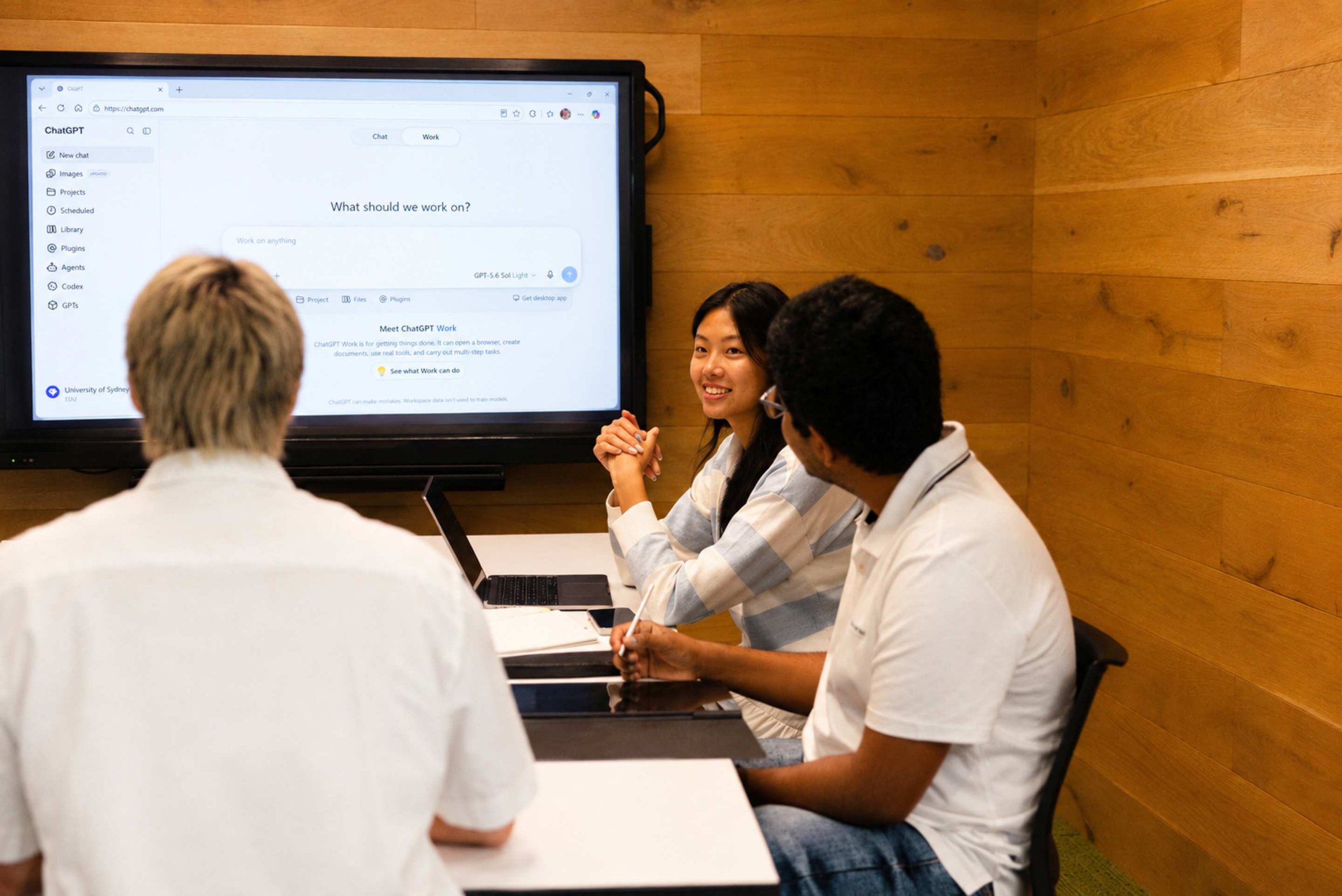
OpenAI has introduced three role-specific education plugins for K–12 teachers, higher education faculty and college students, giving each group a structured starting point for multi-step work in ChatGPT Work and Codex.
Rather than requiring users to construct complex prompts, each plugin combines apps, role-specific skills, instructions and common workflows around materials and context selected by the user. The three plugins are available through ChatGPT Edu and ChatGPT for Teachers district deployments.
Documents, course materials, calendars and other approved apps can be connected to the workflows. OpenAI says institutions retain control over which tools and permissions are available, placing access within managed workspaces rather than individual user settings.
Three plugins divide the work by role
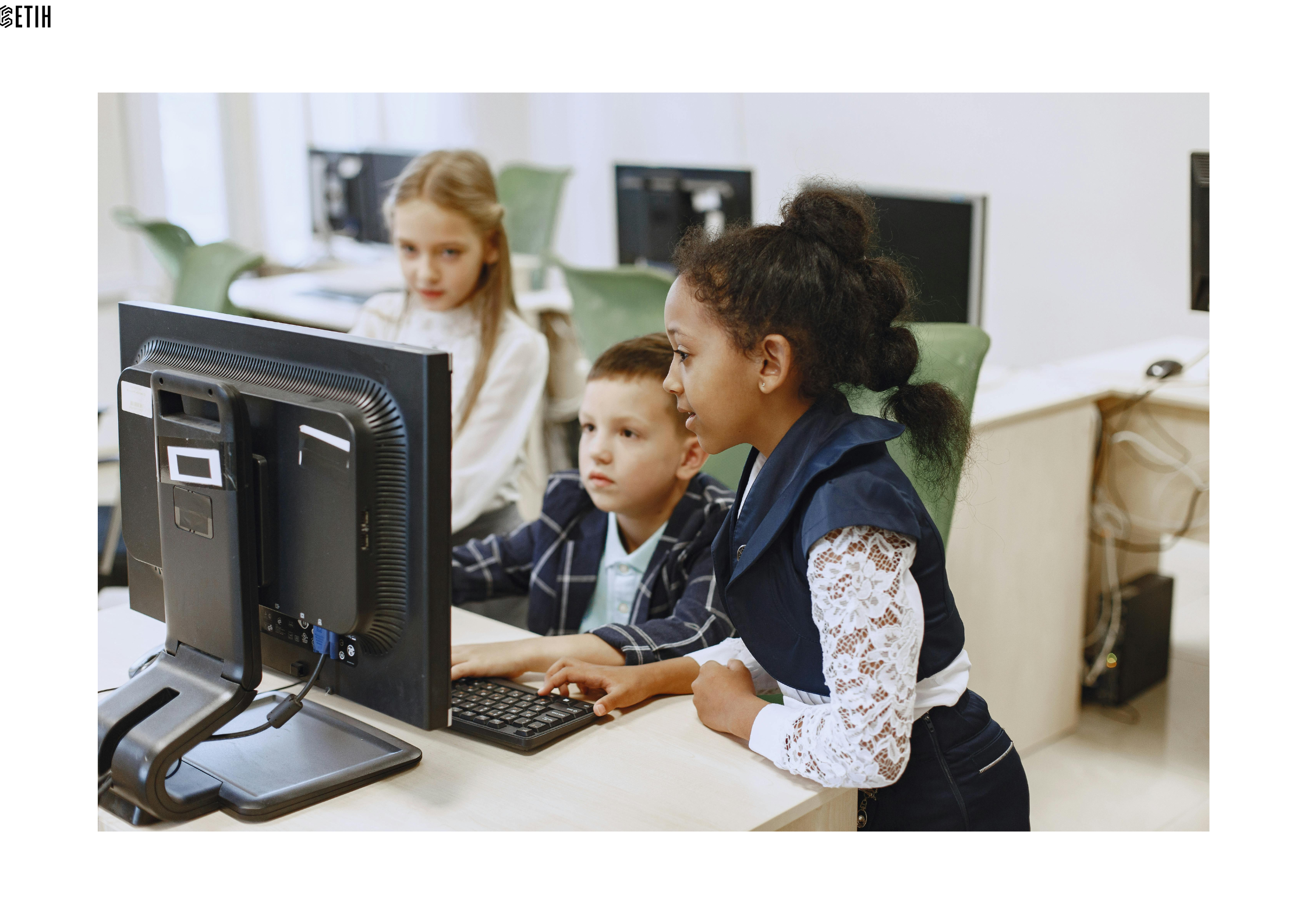
K–12 Educator is designed to help teachers plan lessons and create classroom materials. OpenAI says it can use existing materials and tools to produce differentiated resources, interactive visuals and actionable insights.
Its listed workflows include assignment translation, exit ticket briefs, family updates and practice tests. The company states that teachers remain responsible for pedagogical decisions, grading and agentic actions.
Annemarie O., World Language Acquisition Specialist at Portland Public Schools, recommends starting with a limited use case in a testimonial published by OpenAI: “A great way to get started is to focus on one thing at a time: this month I'm only going to use the plugin for creating exit tickets, and next month, assessments.”
College Educator covers course design, teaching and academic planning. Faculty can use it to update syllabi, create interactive websites or multimedia assessments, adapt materials for different learners and package content for a learning management system.
Connected calendars, documents and approved tools can also be used across teaching, research and administrative tasks without recreating the same context for each project. OpenAI does not name any supported learning management systems or third-party apps in the announcement.
College Student focuses on turning existing course materials into study activities. OpenAI says students can work with a guided tutor, practice difficult concepts and create study guides, quizzes, flashcards and interactive visual explanations from sources they choose.
The company describes the plugin as drawing on learning science and says it was designed with university students across different majors, locations and levels of AI experience. No research findings or performance results for any of the three plugins are included.
OpenAI ties structured workflows to a student usage gap
OpenAI says more than 200 million people aged 18 to 24 use ChatGPT each week. However, it identifies what it calls a global “capability overhang” among college-age users, meaning a gap between what the technology can do and how it is used.
According to the company, even advanced student users leverage ChatGPT’s capabilities roughly 90% to 99% less than power users. The announcement does not explain how power users are defined, what activity was measured or the period covered by the analysis.
OpenAI also states that students in ChatGPT Edu deployments develop more advanced usage patterns than free users across nearly every capability, particularly analysis, calculation and learning. It provides no sample sizes or numerical comparisons for that claim.
Since introducing ChatGPT Edu in 2024, OpenAI says it has worked with K–12 schools and districts including Houston ISD in Texas, Fairfax in Virginia and Fulton in Georgia. Its named higher education deployments include the Wharton School of the University of Pennsylvania, The University of Texas at Austin and the California State University system.
The plugins also sit alongside OpenAI’s teacher training work with the American Federation of Teachers. OpenAI is the founding partner in the National Academy for AI Instruction, a five-year initiative intended to equip 400,000 U.S. K–12 educators, approximately one in every 10 teachers in the country, to use AI.
ChatGPT Edu provides institutions with managed workspaces and administrative, privacy and security controls. ChatGPT for Teachers, introduced in 2025, is free for verified U.S. K–12 educators and districts. School and district leaders can claim their domain to create a shared workspace with oversight, a data privacy agreement and protections intended to support FERPA requirements.