Estonia’s President’s Education Hackathon backs AI tools for teachers and school leaders
The two-day event awarded €20,000 to AI-based education tools focused on grading, learning materials, student gaps, and school data.
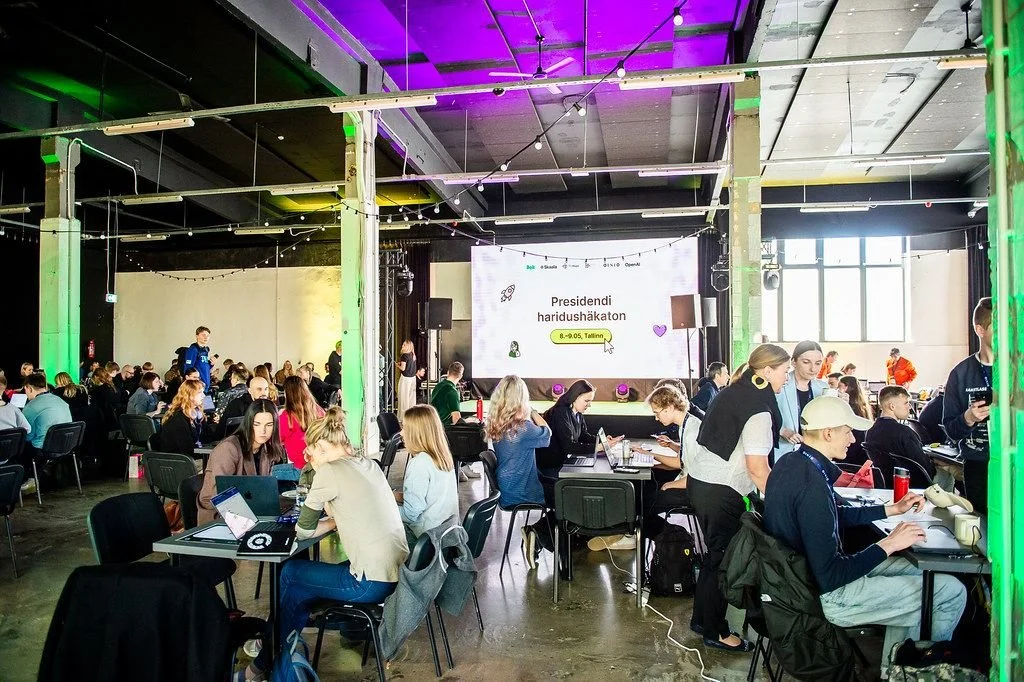
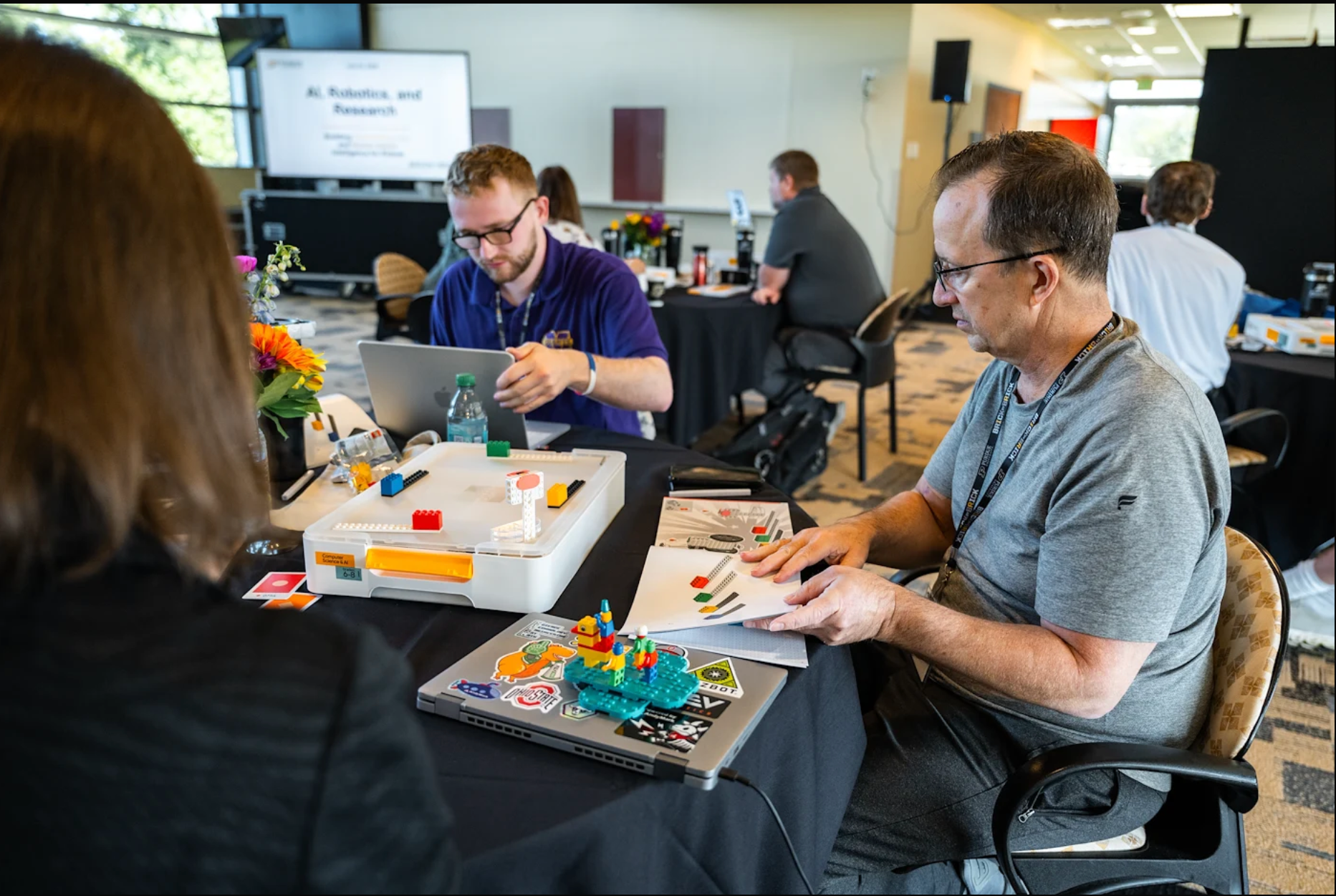
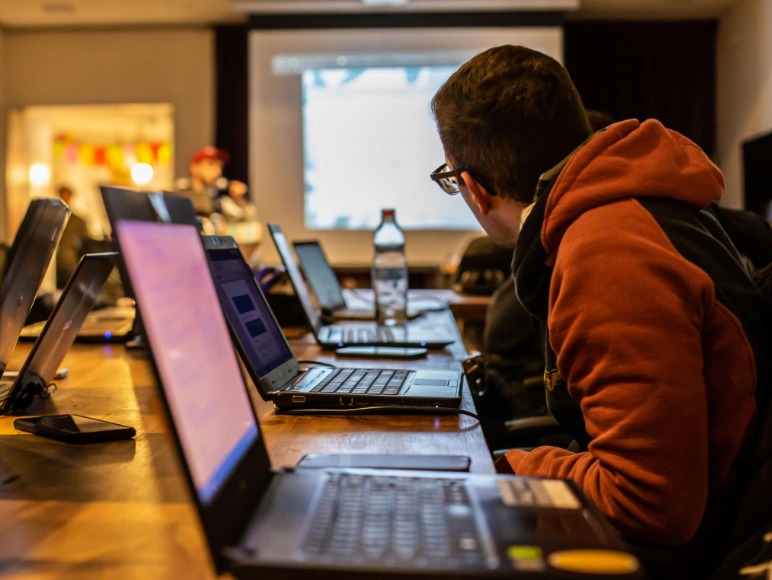
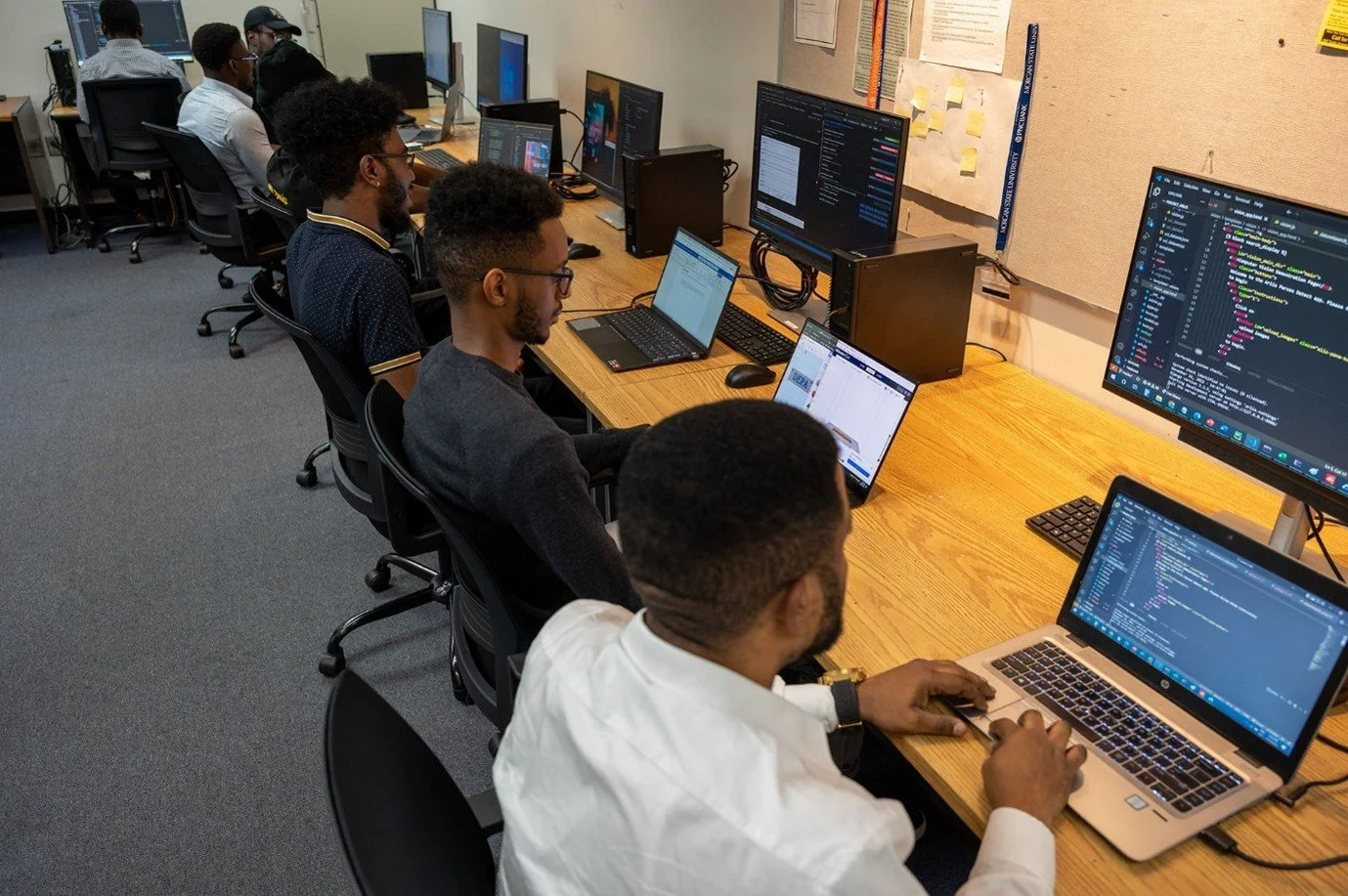
Participants at Estonia’s President’s Education Hackathon, which awarded AI-based education tools focused on teacher workload, learning gaps, and school data. Image credit: Maido Parv
Estonia’s President’s Education Hackathon has awarded funding to AI-based tools designed to reduce teacher workload, personalize learning, identify student gaps, and help school leaders use data more effectively.
The event, initiated by President Alar Karis, brought together 135 teachers, students, developers, and education experts across 30 teams. A €20,000 prize fund was distributed among the top projects, with three €6,000 grand prizes going to AITA, Integrated Workstations, and Punane Pastakas, also known as Red Pen.
The hackathon was organized by the Office of the President with the TI-Hüpe education program, EdTech Estonia, and Skaala Impact. Sponsors included Bolt, Skaala Impact, OIXIO, the Smart Future Foundation, and OpenAI.
AI grading tool targets teacher marking time
Punane Pastakas won one of the three €6,000 grand prizes for an AI tool that helps teachers grade tests faster, provide more detailed feedback, and bring results into a class knowledge map so learning gaps can be tracked more clearly.
Elias Teikari, AI Engineer at Rapidata.ai and Computer Science student at the University of Tartu, said on LinkedIn that his team won the President’s EdTech Hackathon after building the tool around a specific teacher workload problem.
The team asked a teacher how many hours a year she spent grading. The answer was 378 hours, and the group set out to bring that figure below 100.
Teikari said the design decision was to keep the parts of the workflow teachers already use, while removing some of the manual marking load: “The trick was not making teachers learn anything new. They already love their tablets, most got one during covid. So we kept the stylus, kept the tablet, and just took over the boring part: the AI grades and the teacher reviews.”
The tool is designed to assess handwritten math work while allowing teachers to review the AI’s output. Teikari said the system uses a master agent to coordinate smaller agents in parallel, including one that searches across high school math textbook content and another that identifies errors, re-solves problems using the student’s number, and checks whether the following work remains consistent.
He listed the technology stack as Next.js, Convex, Excalidraw for the stylus, Tailwind, and KaTeX.
Andrius Matšenas, Product Designer and a member of the winning team, said on LinkedIn that his own experience teaching high school math shaped the problem the team chose to address. He said grading took twice as long as in-class teaching, with the most difficult 20 percent of work taking most of the time.
Matšenas framed the tool as more than automated right-or-wrong marking, pointing instead to feedback on student understanding: “So we applied the magical handwriting-detection capabilities of frontier language models to understand students answers and give teachers insights to conceptual understanding of their students based on level of education (not only right-wrong final answers).”
The team includes Ekke Henk, Elias Teikari, Andrius Matšenas, Karl Elmar Vikat, and Oliver Iida. Matšenas said the team wants to get the tool to Estonian math and science teachers by next fall.
Winning projects focus on classroom and school operations
The official announcement from the Office of the President positioned the hackathon around practical pressures in Estonian education, including teacher workload, student engagement, and fragmented school data.
President Karis linked the event to experimentation across education as technology and labor market needs change: “Innovation is born where freshness and experience meet, where different perspectives on the same problem come together. We also need to experiment wisely in education - as society, the labor market, and technology change around us, education must change too.”
Karis also connected the winning ideas to staffing and workload pressures in schools: “I thank everyone who contributed to reducing teacher burnout, making students' lessons more interesting, and making schools' educational decisions more data-based, thus improving Estonian education. New solutions will certainly also help bring new teachers to school.”
The other grand prize winners were AITA and Integrated Workstations. AITA, or Curriculum-Based Intelligent Lesson Assistant, helps teachers create and adapt Estonian-as-a-foreign-language teaching materials using AI while taking into account Estonia’s curriculum and local frameworks.
Integrated Workstations helps teachers create cross-curricular assignments and learning stations aligned with the national curriculum. Students can complete tasks at their own level with step-by-step guidance and feedback.
DIQU won the €2,000 prize for an AI-based analytics tool that brings school data from different systems into one view for school leaders. MATx, which developed an AI-assisted tool for identifying student learning gaps and recommending exercises, received a special award for its development platform Bilt.me.
Grand prize winners head to Latitude59
The President’s Education Hackathon jury was chaired by Markus Villig, CEO and Founder of Bolt. The jury also included President Karis, Triinu Laasi-Õige, Secretary General of the Ministry of Education and Research, Annika Räim, Head of the Smart Future Foundation, Karl Erik Kirss, Head of the Estonian Student Union, and Jayna Devani, Head of OpenAI’s National Education Initiatives.
Villig framed the next stage around school adoption and investment rather than the hackathon result itself: “It is now important that these solutions do not remain in a drawer, but find their way into schools. If we want Estonian education not to lag behind in technological development, we must be prepared to invest more in educational technology.”
The three grand prize winners will present their ideas at Latitude59, the international business ideas festival, where they will seek early investment and routes into schools.
AI Leap said on LinkedIn that the winning tools focused on reducing teacher workload, personalizing learning, identifying learning gaps, and supporting more data-driven school decisions. The program says participating schools will give all grade 10–11 students access to an Estonian learning application by the end of 2025.