Googlebook brings Gemini into the laptop as Google rethinks Chromebook era
The new laptop category will combine Gemini Intelligence, Android apps, ChromeOS browsing, phone integration, and hardware from Acer, ASUS, Dell, HP, and Lenovo.
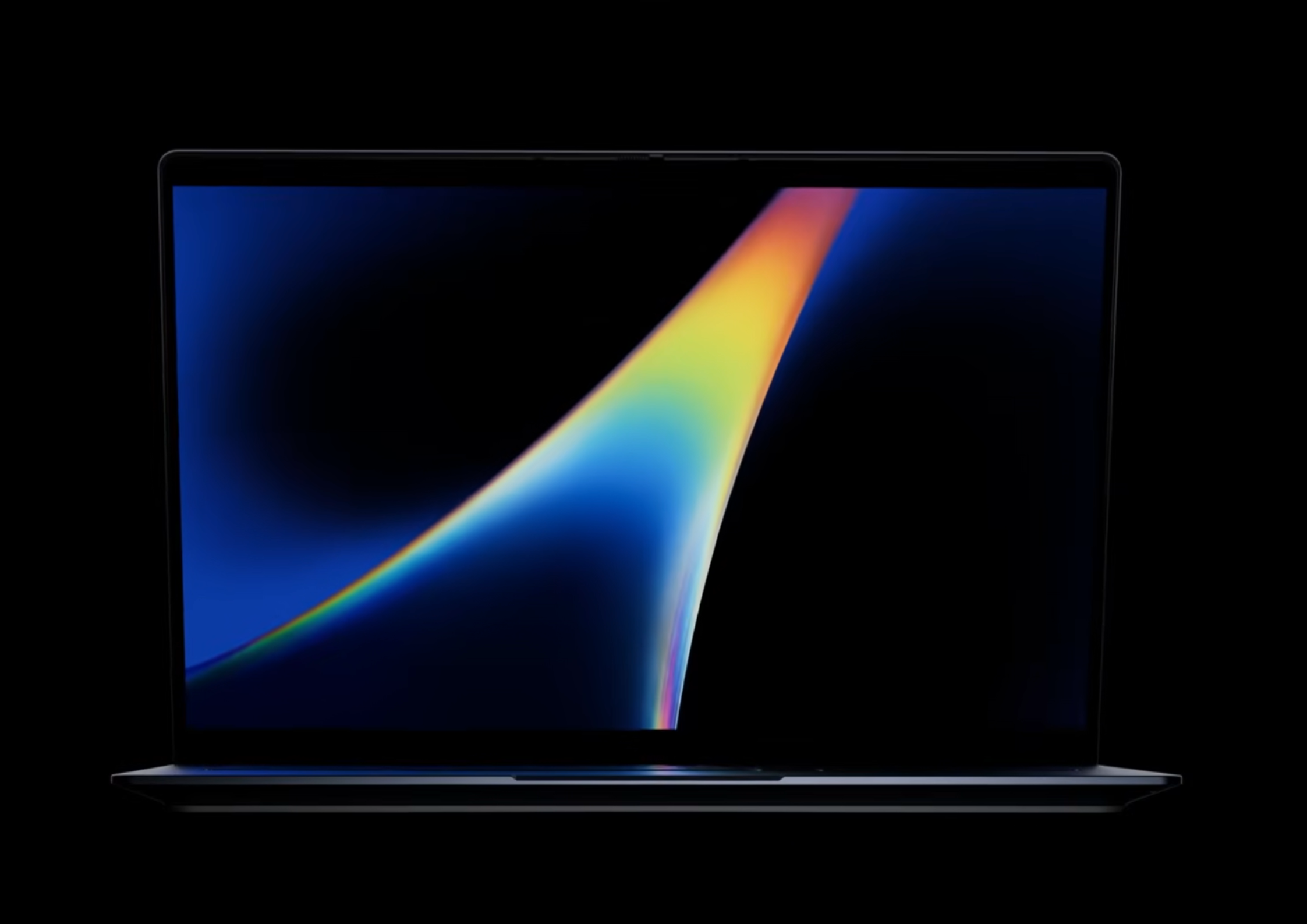
Google has introduced Googlebook, a new laptop category built around Gemini Intelligence, Android app access, ChromeOS browsing, and hardware from Acer, ASUS, Dell, HP, and Lenovo.
Google has introduced Googlebook, a new Gemini-powered laptop category that signals a shift from cloud-first devices toward AI-first personal computing.
The company says Googlebook will bring together Android, Google Play apps, ChromeOS browser capabilities, and Gemini Intelligence in a new generation of laptops. The first devices are being developed with Acer, ASUS, Dell, HP, and Lenovo, with availability expected this fall.
The announcement comes more than 15 years after Google introduced the Chromebook. That earlier device category was built around cloud computing and browser-based work. Google is now positioning Googlebook around what it calls an “intelligence system,” where AI support is embedded into the laptop interface itself.
Gemini moves into the cursor
Googlebook’s main AI feature is Magic Pointer, developed with the Google DeepMind team. Google says the feature brings Gemini into the cursor, giving users contextual suggestions when they point at something on screen.
The examples given by Google show how the company wants AI to sit inside everyday device actions. A user could point at a date in an email to set up a meeting, or select two images, such as a living room and a new couch, to visualize them together.
That is a different product direction from asking users to open a separate chatbot or search tool. For students, teachers, and workers, it points to a laptop experience where AI assistance is built into writing, planning, image work, research, scheduling, and task completion.
Google is also adding Create your Widget, which lets users create custom desktop widgets by prompting Gemini. The company says Gemini can search the internet or connect to Google apps such as Gmail and Calendar to build a dashboard with information such as flights, hotel bookings, restaurant reservations, and countdowns.
Android and ChromeOS come together
Googlebook will combine parts of the Android technology stack with ChromeOS browsing. Google says this will bring Android apps from Google Play onto the laptop while retaining access to Chrome, which remains central to education and workplace use.
The Android integration is also designed to make the laptop work more closely with a user’s phone. Google says users will be able to open phone apps from the laptop, including examples such as ordering food or completing a Duolingo language lesson without leaving the screen.
Googlebook will also include Quick Access, which lets users view, search, or insert files from their phone through the laptop’s file browser without manual transfers.
Google is positioning Googlebook as more than a hardware update. By linking laptop, phone, browser, apps, files, and Gemini assistance, the company is making a workflow play for users who already move between learning platforms, cloud documents, mobile apps, research tasks, and communication tools during the same day.
Hardware partners prepare first devices
Google says the first Googlebooks are being developed with Acer, ASUS, Dell, HP, and Lenovo. The company says devices will come in different shapes and sizes and will include a glowbar, a hardware feature intended to identify the category.
The first Googlebook devices are due this fall, with more details expected before release. For schools, colleges, universities, and workforce training providers, the practical questions will be familiar: price, device management, safeguarding controls, data protection, accessibility, and how Gemini features can be governed in managed learning environments.
Googlebook gives Google a new route into AI-first computing at a time when device makers, operating system providers, and AI companies are competing to define the next workplace and learning interface. The first devices will show whether the category is a meaningful step beyond Chromebook, or another AI layer added to an already crowded device market.