OpenAI’s first Ireland Champions Dinner puts Dublin in enterprise AI adoption push
The Dublin event brought together AI Champions and leaders from across Ireland as OpenAI focuses on peer learning, internal networks, and agentic workflows.
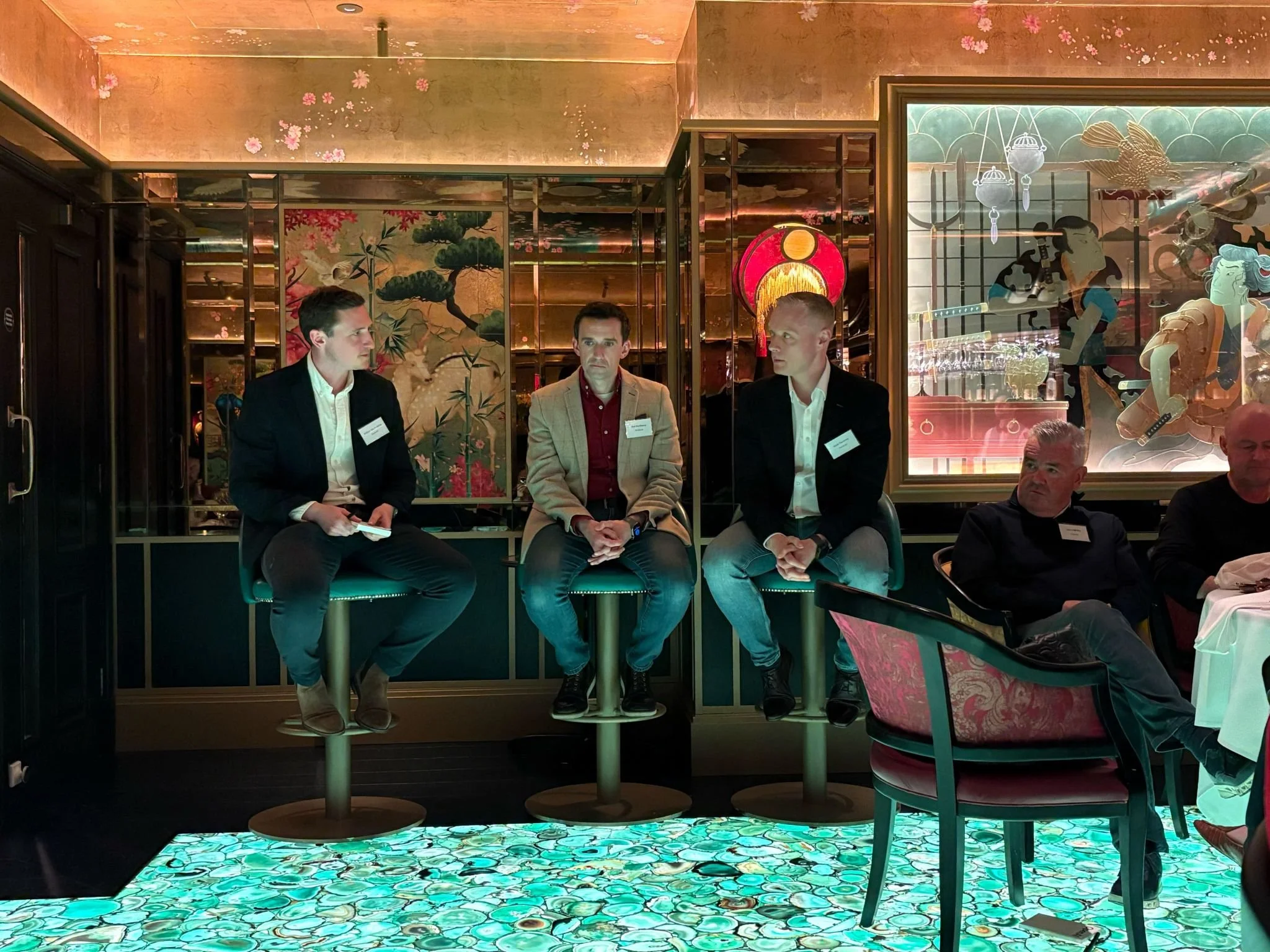
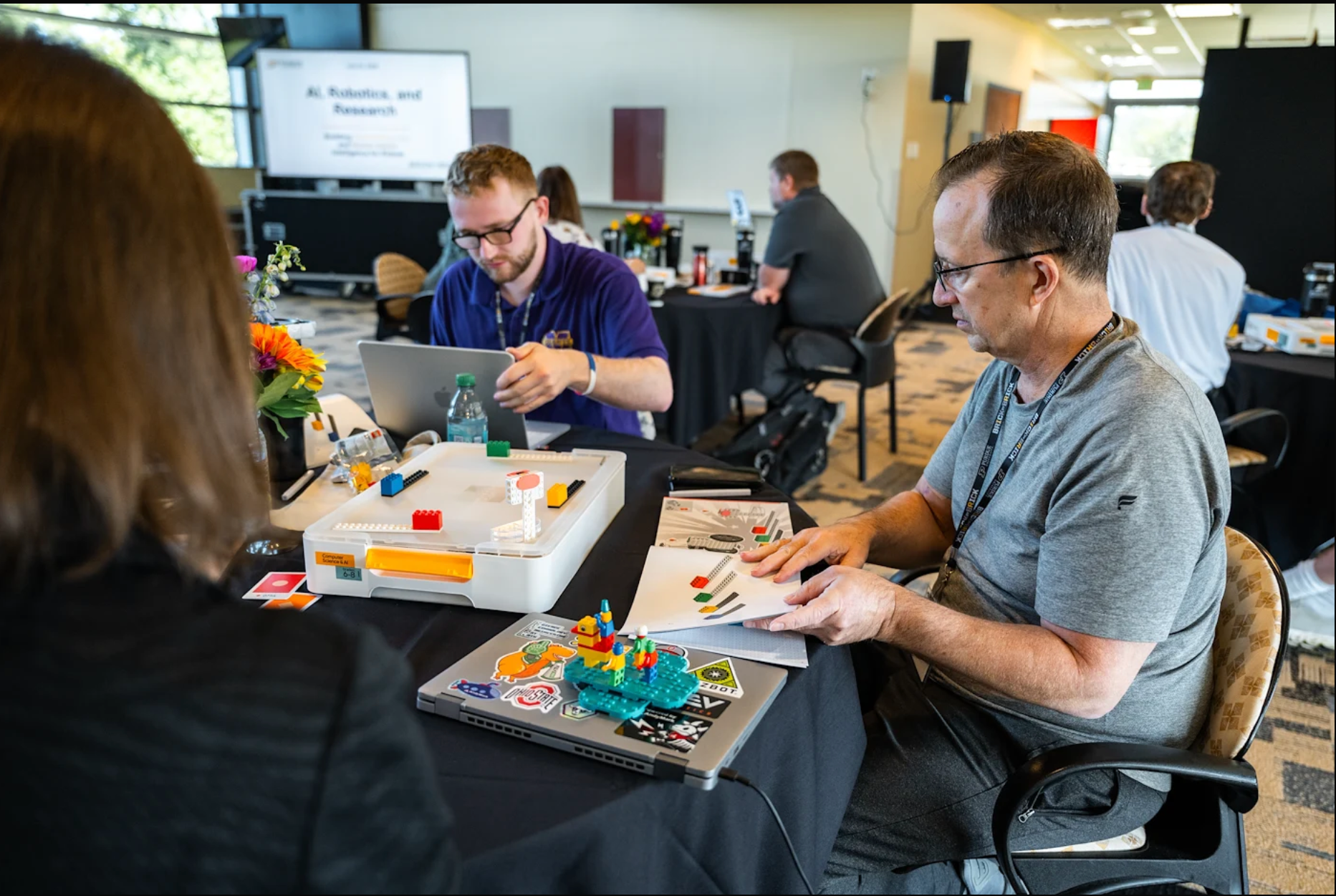
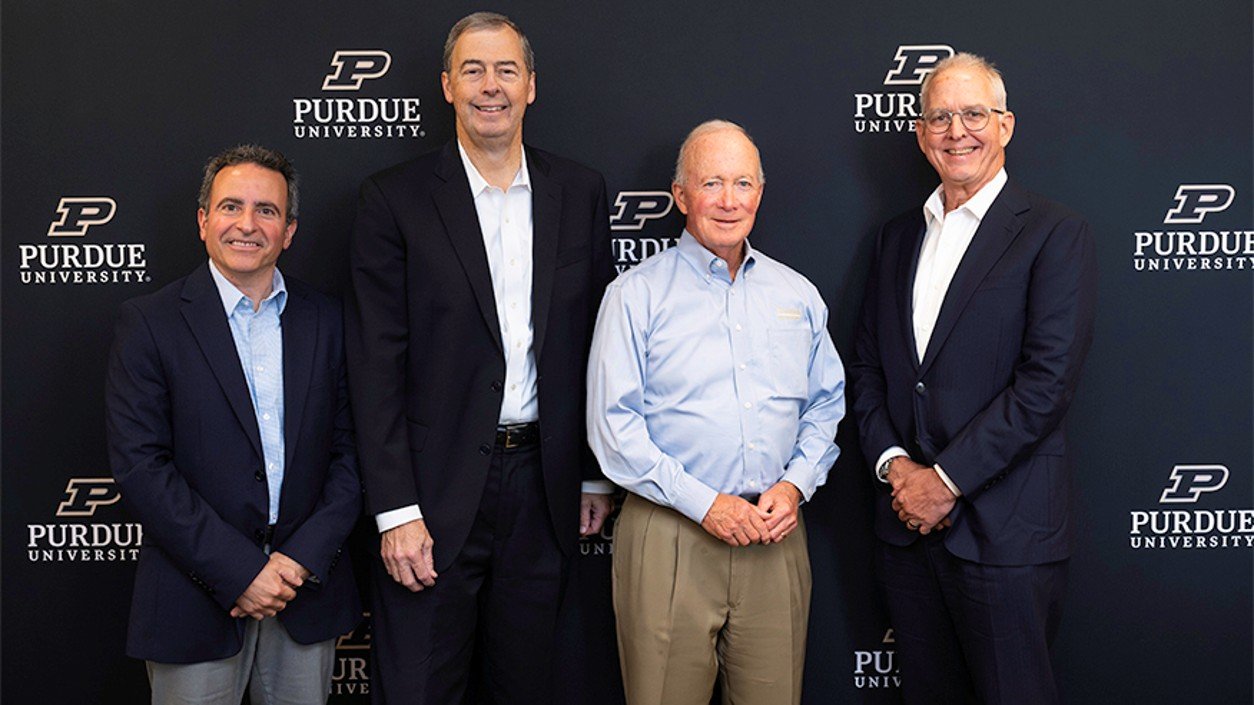
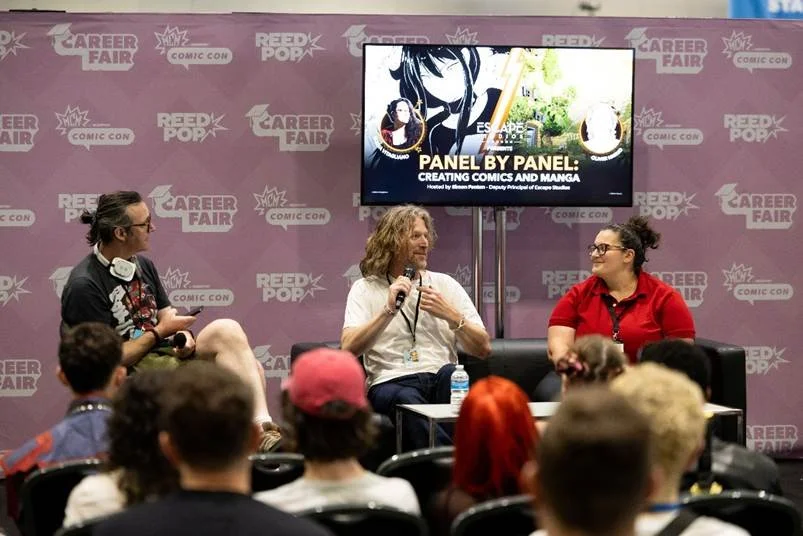
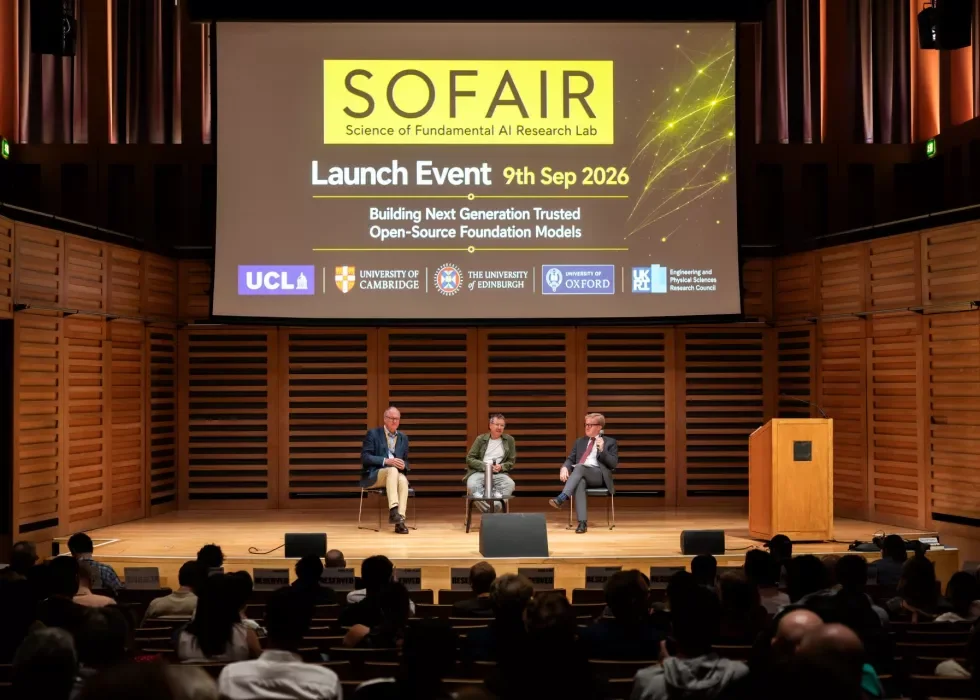
OpenAI’s first Ireland Champions Dinner in Dublin brought together AI Champions and business leaders to discuss enterprise AI adoption, agentic workflows, and internal champion networks. Image credit: Killian McAndrew
OpenAI has hosted its first Ireland Champions Dinner in Dublin, bringing together AI Champions and business leaders from across Ireland to discuss how organizations are scaling AI beyond early experimentation.
The event centered on enterprise AI adoption, internal champion networks, leadership alignment, and the move from simple AI assistants toward agentic, workflow-oriented systems. It forms part of OpenAI’s wider work with enterprise customers through its Champion Network, which supports people responsible for driving AI adoption inside their organizations.
Christina Meng, who leads the OpenAI Champion Network, described the Dublin event on LinkedIn as “an incredible first Champion Dinner in Dublin,” adding that she was “blown away by the level of conversation and impact AI Champions are leading in Ireland.”
Dublin event focuses on how AI adoption scales
Killian McAndrew, GTM and AI Deployment Manager at OpenAI, said on LinkedIn that the event brought together “AI Champions and leaders from across Ireland to share adoption strategies, showcase high-impact use cases, and create space for meaningful conversations with peers and the OpenAI team.”
The evening included a fireside chat with Niall Twomey, CIO and Co-Founder at Fenergo, and Joe Dunleavy, EMEA CTO at Endava. McAndrew said the discussion included “honest reflections on what it really takes to scale AI across organisations.”
The most direct signal from the Dublin event was that enterprise AI adoption is being framed less as a technology rollout and more as an operating model. McAndrew said “a consistent theme throughout the discussion was that successful AI transformation is far more than deploying tools.”
He added that the organizations seeing the greatest impact are investing in “strong leadership alignment, champion networks, department-focused enablement, and cultures that encourage continuous learning and experimentation.”
Meng also linked the event to the growing need for people leading this work to learn from one another. She said: “As AI adoption scales and capabilities continue to advance, the need for peer learning and human connection is going to become more important than ever.”
Champion Network targets the work after AI access
OpenAI’s Champion Network is designed for people responsible for driving AI adoption inside their organizations. Meng’s LinkedIn profile describes her role as leading the network and “connecting the people responsible for driving AI adoption inside their organizations.”
She said Champions often face similar challenges, including “moving teams beyond experimentation, keeping up with product changes, proving value, and sustaining usage at scale.”
The network focuses on AI Champion Leads, who sit between executive sponsorship and department-level adoption. OpenAI’s materials describe Champion Leads as people who own and coordinate adoption across teams, prioritize use cases, lead internal programs, coordinate rollout, and translate impact to leadership.
The structure also includes Executive Champions, who provide sponsorship and direction, and Internal Champions, who apply AI within their departments, support teammates, share practical examples, and surface use cases and friction from day-to-day work.
Meng said her focus is on “making it easier for Champions to effectively lead this work by creating spaces for shared learning, skill development, and connection with peers and with OpenAI.”
Agentic workflows move into the adoption conversation
The Dublin event also covered the move from AI assistants to agentic systems. McAndrew said the conversation addressed “the growing shift from simple AI assistants to more agentic, workflow-oriented systems” as ChatGPT Enterprise, Codex, and OpenAI’s API platform continue to evolve.
Both Twomey and Dunleavy emphasized that agentic workflows need to start with business problems rather than technology demonstrations, according to McAndrew’s post. He said “the most impactful agentic workflows are those grounded in solving real business challenges.”
McAndrew also linked adoption to experimentation formats inside companies, saying: “Creating space for teams to experiment, test, learn, and iterate through initiatives such as hackathons and champion-led innovation programs is becoming a key driver of meaningful AI adoption and high-value innovation across organizations.”
OpenAI’s internal Champion Network material also places emphasis on repeatable workflow change rather than prompt-level experimentation. One line from the material summarizes the shift in practical terms: “We stopped celebrating prompts and started fixing broken workflows.”
The Dublin event is being followed by another Champion Dinner in London. Meng said on LinkedIn: “Next up: London!”