Demis Hassabis marks AlphaGo anniversary with renewed Google DeepMind push in Korea
The Google DeepMind CEO used a return visit to Seoul to discuss AGI, AI safety, scientific discovery, and the company’s next phase of collaboration with Korean institutions.
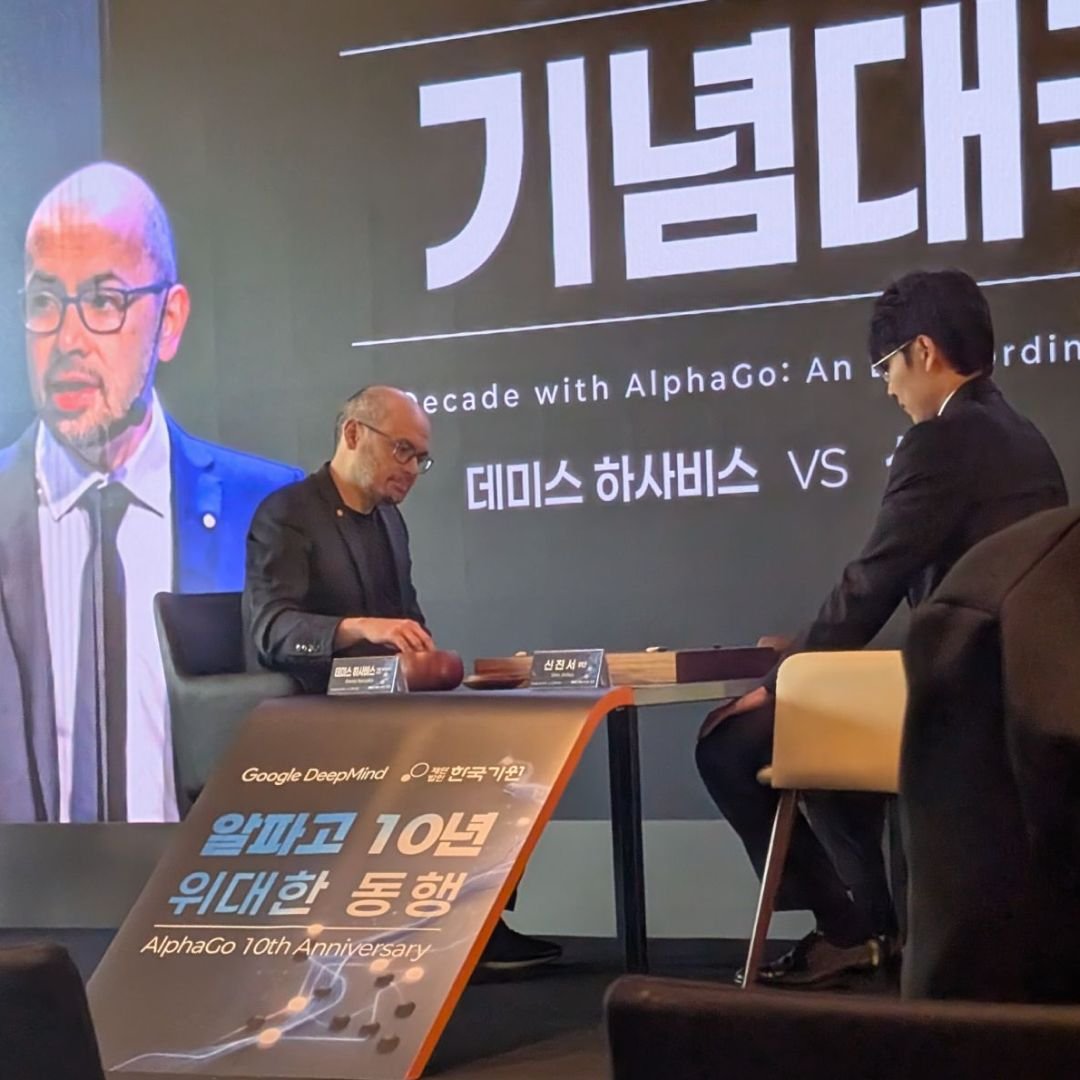
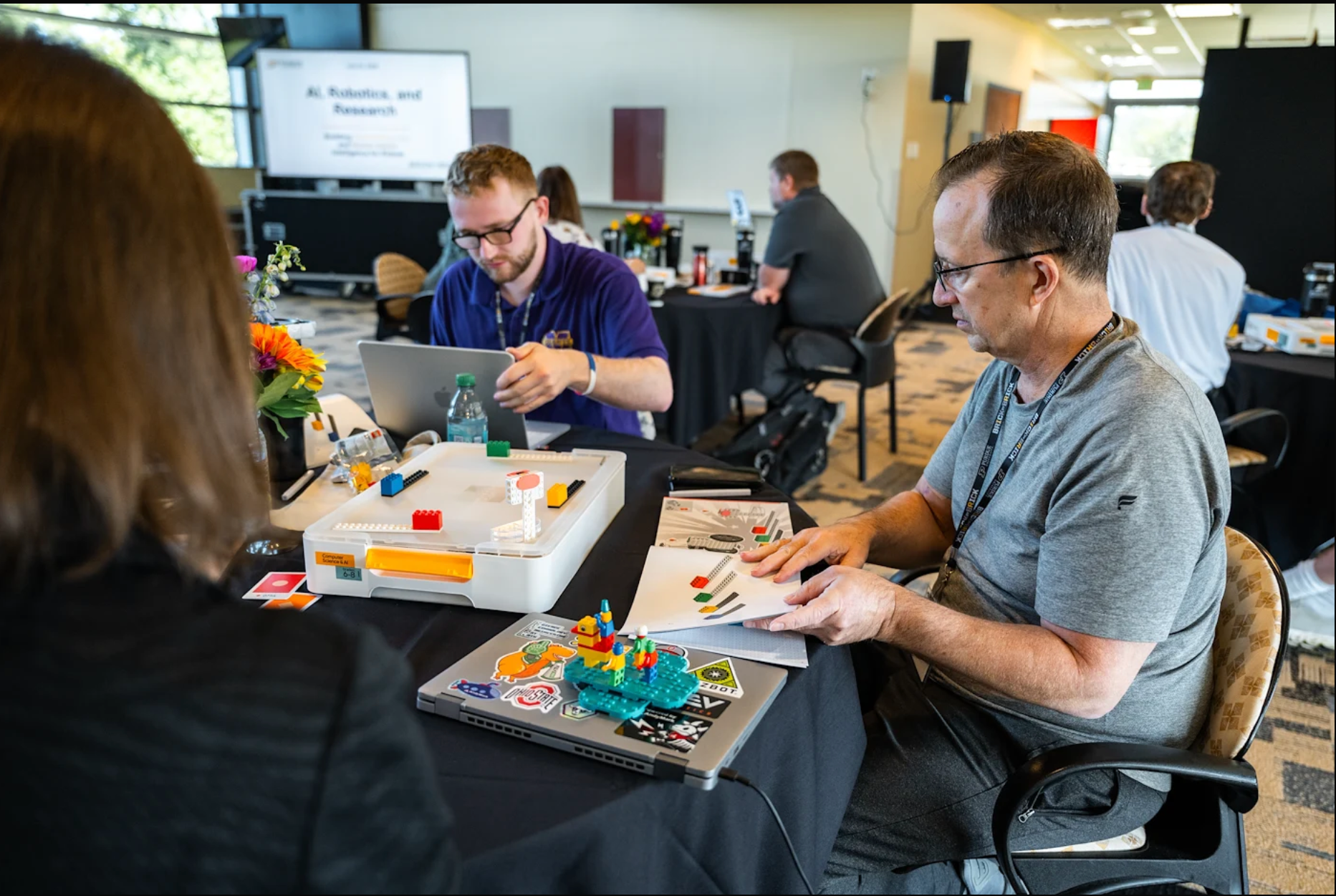
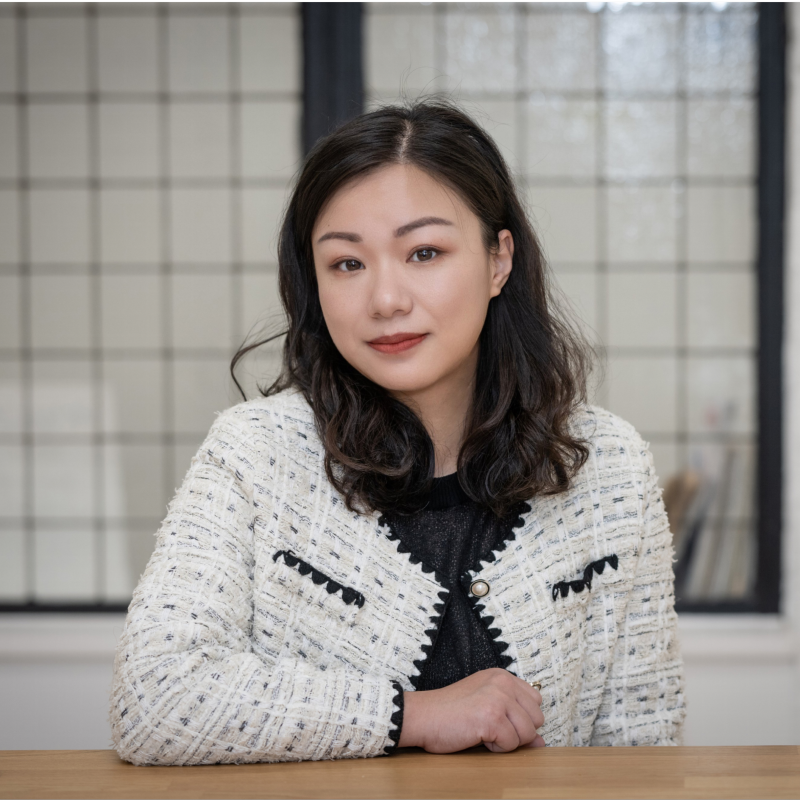
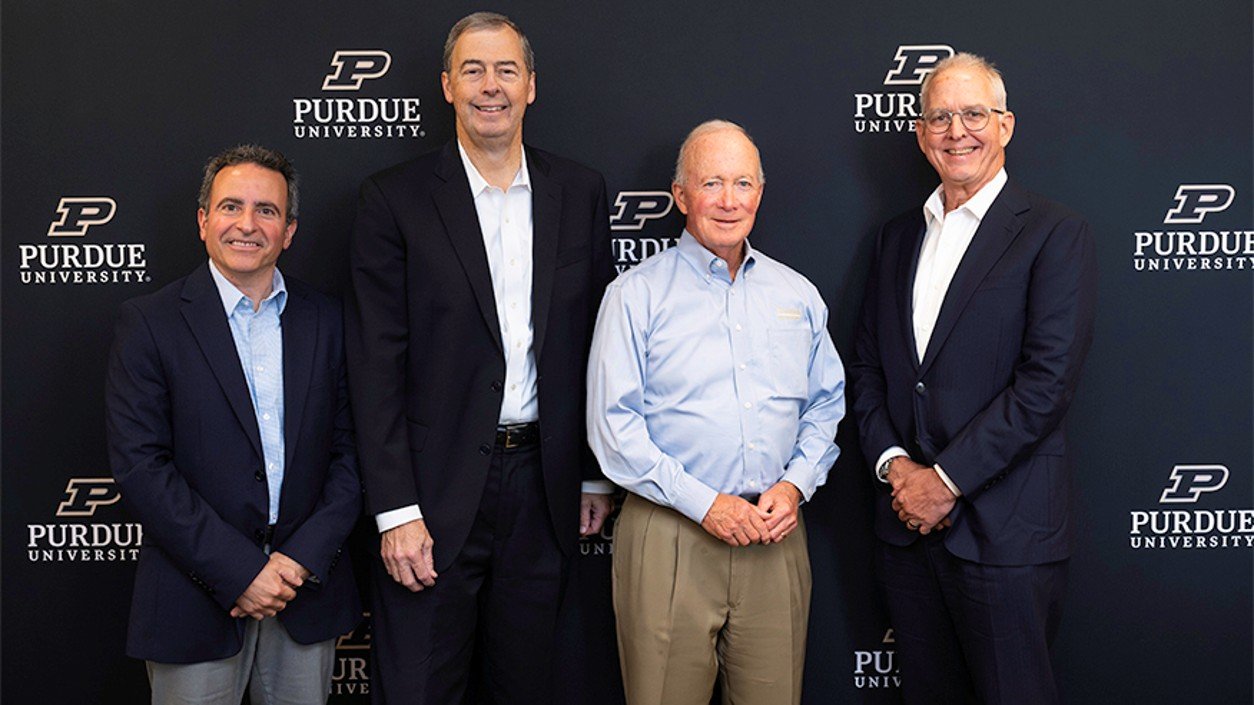
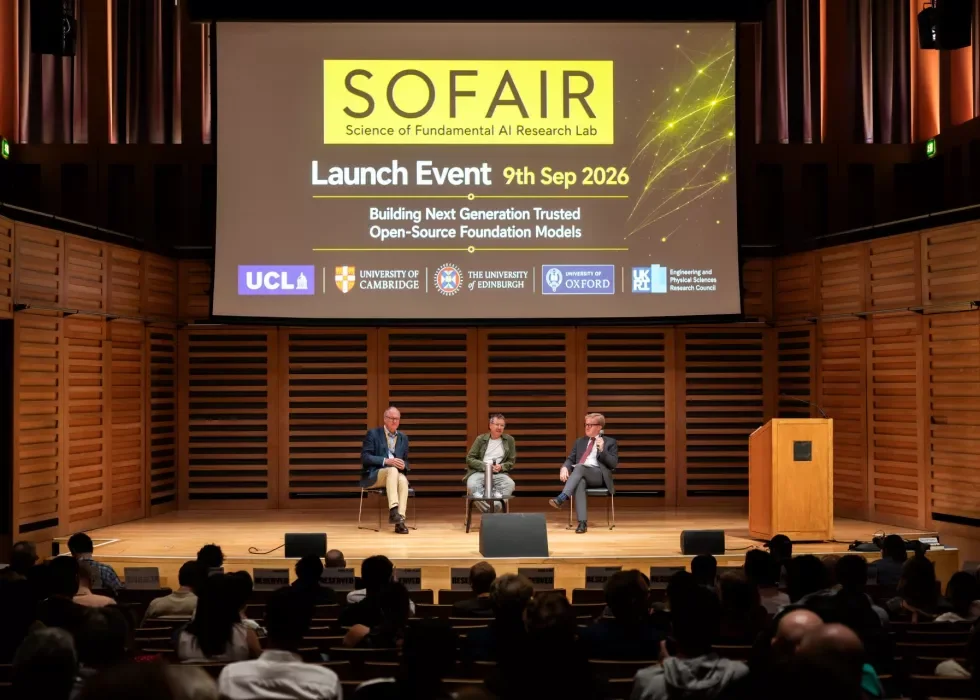
Demis Hassabis attends an AlphaGo tenth anniversary event during his return visit to Korea. Image credit: Demis Hassabis
Demis Hassabis has used a return visit to South Korea to frame Google DeepMind’s next phase of work in the country around artificial general intelligence, AI safety, scientific discovery, and student talent.
In a LinkedIn post following the visit, the Co-Founder and CEO of Google DeepMind said artificial general intelligence is “likely to arrive in 3-4 years” and could bring “profound change to industries and society.” The comments came ten years after AlphaGo’s historic match against 9-dan Go champion Lee Sae Dol in Seoul.
Hassabis also met President Lee Jae-myung, reconnected with Lee Sae Dol, joined Shin Jin-seo for a special Go match, and visited Google Korea. His post follows Google DeepMind’s previously announced partnership with Korea’s Ministry of Science and ICT, which includes work on K-Moonshot Missions, AI safety research, student internships, and a new AI Campus inside Google’s Seoul office.
Hassabis links Korea visit to AGI and AlphaGo legacy
Hassabis framed the visit around the decade since AlphaGo beat Lee Sae Dol, describing the match as a moment that showed “what we could achieve with AI that can learn to solve hard problems.”
He said in the LinkedIn post: “We’ve seen incredible progress in AI since then. Today, AI is capable of advanced reasoning and is beginning to have agentic capabilities that will enable it to plan and act in the world, whether in robotics or as useful assistants. We’re now at a major threshold with AGI likely to arrive in 3-4 years and bring profound change to industries and society.”
The post places Korea at the center of a wider argument about AI adoption, compute, and research capacity. Hassabis pointed to the country’s role in memory chips and advanced semiconductors, as well as strengths in robotics, biotech, energy, education, and scientific talent.
He also referenced his meeting with President Lee Jae-myung, saying they discussed AI safety and the use of AI to advance science.
Google DeepMind expands Seoul activity
Google DeepMind’s Korea work is tied to a partnership with the Ministry of Science and ICT, announced through the company’s National Partnerships for AI initiative. ETIH has previously reported on the collaboration, which connects Google DeepMind’s frontier AI models with Korea’s K-Moonshot research agenda.
In his LinkedIn post, Hassabis highlighted the new AI Campus inside Google’s Seoul office, saying it will support collaboration between Korean institutions and Google DeepMind researchers.
He said: “The launch of our AI Campus within our Seoul office will help to drive collaborations between Korean institutions and our AI experts that are at the center of our work together.”
The partnership includes planned work with the Korean AI Safety Institute and internship opportunities for Korean students at Google DeepMind. Google has also previously referenced AI Essentials scholarships for job seekers in Korea as part of its wider regional skills activity.
Scientific discovery remains the central pitch
Hassabis used the visit to repeat one of Google DeepMind’s core positions: that scientific discovery is the strongest use case for advanced AI.
He added: “I’ve always believed that scientific discovery is the ultimate use case for AI, and Korea’s strengths in robotics, biotech, energy and education - along with its world-class talent - make it a natural partner for accelerating this work.”
The company’s Korea activity is expected to draw on AI systems including AlphaFold, AlphaGenome, AlphaEvolve, AI co-scientist, and WeatherNext, with work previously outlined across life sciences, energy, weather, climate, and research productivity.
Hassabis said AlphaGo had also changed how players approach Go, following his meeting with Lee Sae Dol and match with Shin Jin-seo. Google DeepMind’s renewed Korea push now links that legacy to AI safety research, student internships, and applied scientific work through the Seoul AI Campus.