Formula Africa opens Kenya talent search as motorsport STEM pathway expands
The platform is positioning racing, engineering, simulation, and early years STEM as part of a long-term talent pipeline across African markets.
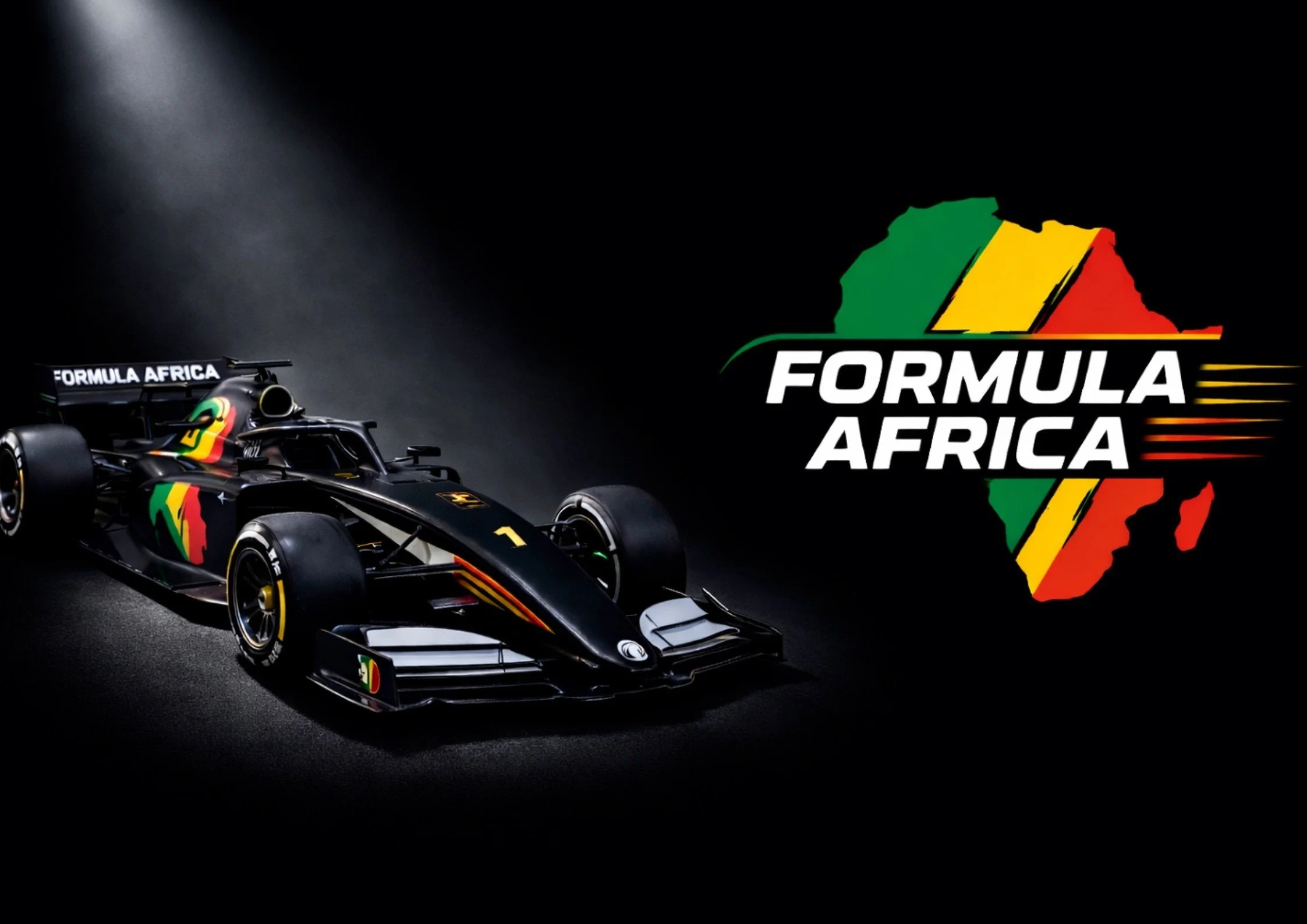
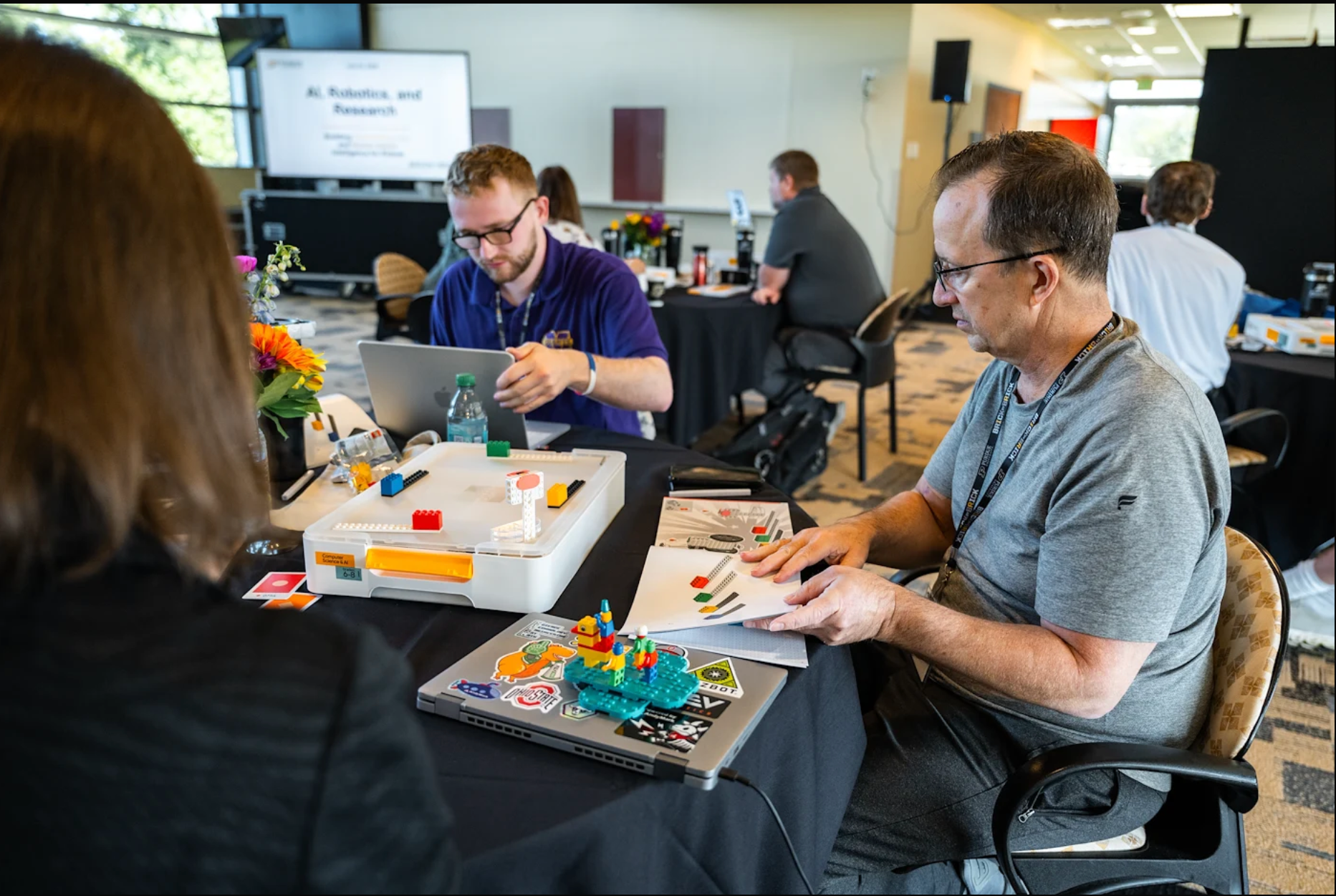
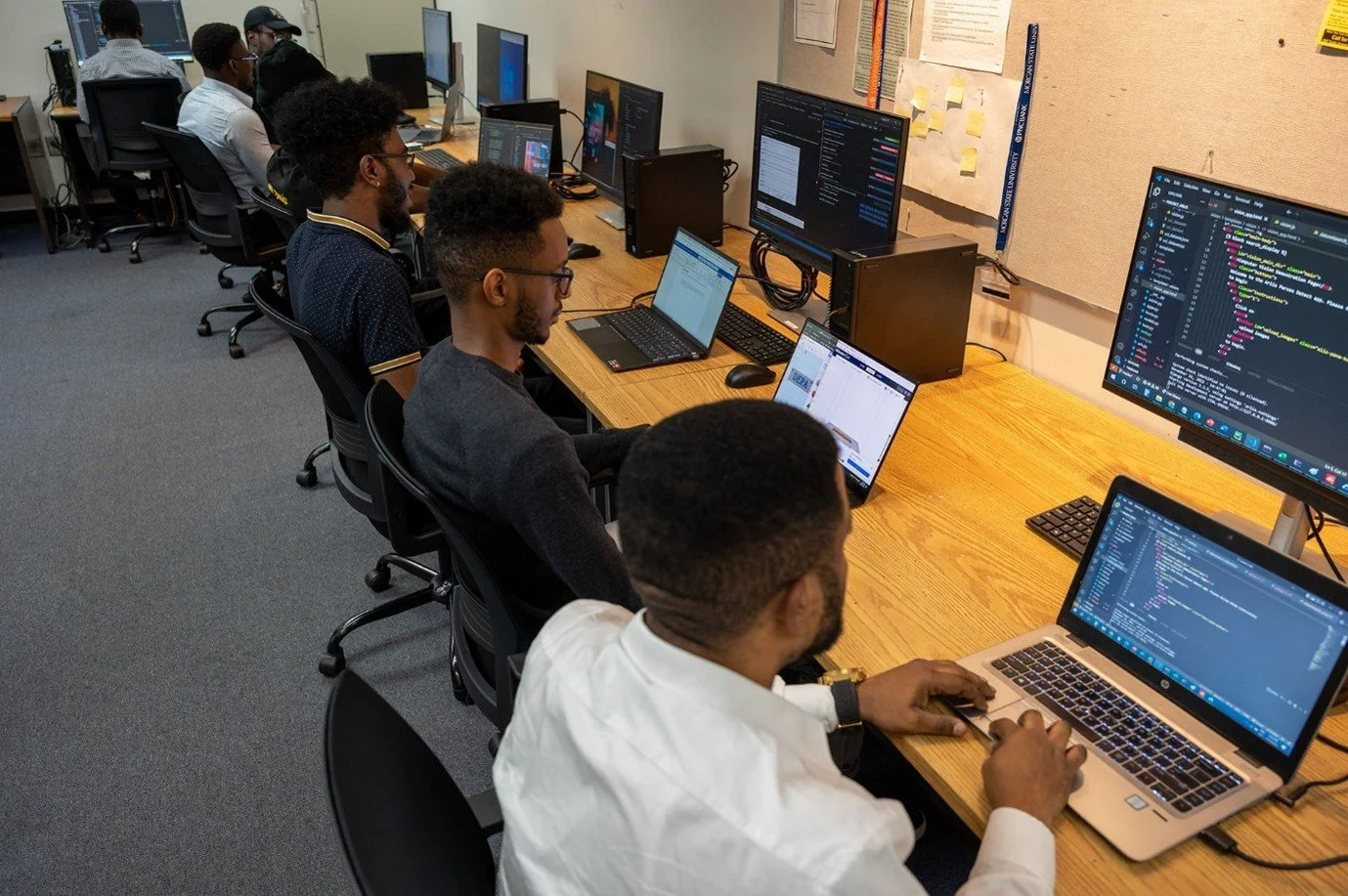
Formula Africa has opened its 2026 Talent Search Kenya as part of a wider plan to build motorsport, engineering, simulation, and STEM education pathways across African markets. Photo credit: Formula Africa
Formula Africa has opened its 2026 Talent Search Kenya, marking the first country-level activation for a platform that plans to connect motorsport, engineering, education, media, and infrastructure across African nations.
Formula Africa says the Kenya rollout will form part of a wider pathway for young people aged four to 24, connecting early years STEM learning, simulator training, karting, engineering education, and professional motorsport opportunities.
Julia Green, CEO of Formula Africa, took to LinkedIn to announce that the Kenya talent search is now open, describing it as “a platform for homegrown African motorsport.” The launch follows wider Formula Africa messaging around a continent-scale approach to racing, engineering, education, events, and infrastructure.
Talent search links racing, engineering, and STEM pathways
Formula Africa says its 2026 talent search will identify homegrown African racing and engineering talent across multiple nations. The platform is set to activate national talent searches, simulator experiences, karting partnerships, education initiatives, and engineering pathways across more than 16 African countries.
The organization describes the model as an end-to-end development pathway, starting with early years STEM and creative learning before moving through youth development, academies, higher education, simulation, karting, and circuit racing.
Formula Africa says the pathway will connect early years learning, esports, technical training, karting, higher education partnerships, and professional development routes. The model is designed to create entry points for students, drivers, engineers, and media talent, rather than focusing only on racing talent.
Green said: “This is not about bringing motorsport to Africa. This is about building the infrastructure so Africa can produce it.”
Formula Africa says the platform is being built around racing, engineering, education, events, simulation and technology, media and storytelling, and international opportunity. Its stated focus is not only on drivers, but also on engineers, technicians, media professionals, and wider roles across the motorsport economy.
Bambino Hubs put early years learning at the entry point
Formula Africa says its Bambino Hubs will introduce children aged four to 11 to STEM, engineering, data, and racing concepts through play-based learning, design, storytelling, and access to technology.
The hubs will be mobile and scalable, with deployment planned across townships, cities, and regions. The company describes them as solar-powered, connected learning environments that can be created by transforming underused or abandoned spaces into community hubs.
Each hub is expected to support around 30 children per day, according to Formula Africa. The education model introduces engineering, data, and racing fundamentals at an early stage, with motorsport used as the applied context rather than the end product.
The wider pipeline then moves into youth development for ages 12 to 16, including karting and cross-car pathways, grassroots competition, and early mechanical and technical exposure. For ages 16 to 21, Formula Africa says the model will include driver development, engineering, simulation ecosystems, esports, and partnerships with UK and African universities.
The professional layer is focused on circuit-based training, competition environments, mixed-use real estate, destination assets, and career routes across driving, engineering, and media.
Roadmap connects sport, education, and infrastructure
Formula Africa says its platform will be deployed across five strategic regions: North, South, East, West, and Central Africa. The current regional plan names Morocco, Senegal, South Africa, Nairobi, and Lagos as key locations, each with a different role in the platform.
Morocco is positioned as a global gateway linked to the FIFA World Cup 2030 cycle. Senegal is tied to youth and education activation around the 2026 Summer Youth Olympics in Dakar. South Africa is described as a performance hub, with Kyalami Grand Prix Circuit identified as a core motorsport anchor. Nairobi is being positioned around digital infrastructure, esports, and mobile-first engagement, while Lagos is framed as a commercial and media market.
Formula Africa’s roadmap runs from 2026 to 2030. It includes a 2026 platform launch, education rollout through Bambino Hubs, Youth Olympics-linked activity in Dakar, esports and digital platform expansion, and a planned Morocco showcase event called “100 Years of African Motorsport.”
The organization is also opening a founding partner window across sectors including media, telecoms, digital infrastructure, energy, data, tourism, aviation, automotive, and strategic brand partnerships.