Google uses AI and immersive tech to turn America's founding archives into interactive learning tools
A collaboration with the White House, the National Archives, and the National Park Service puts centuries-old documents, 3D galleries, and NotebookLM-powered research notebooks in front of students and educators worldwide.
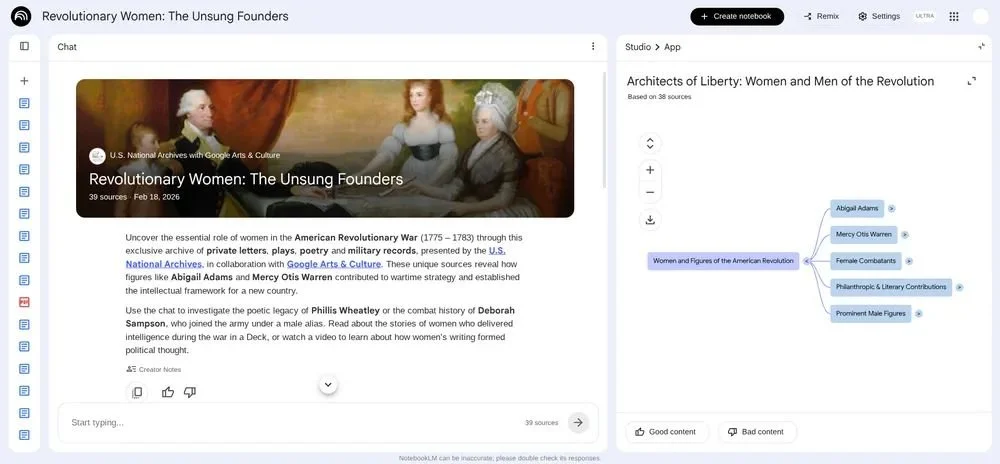
Google's NotebookLM tool gives students and educators AI-powered access to more than 180,000 National Archives documents
Google Arts and Culture has launched Making of the Nation, an interactive digital platform built in collaboration with the White House Task Force 250, the National Archives, and the National Park Service to mark the 250th anniversary of the United States.
The project uses AI and immersive technology to transform historical archives into educational experiences accessible to anyone with an internet connection.
The platform brings together primary source documents spanning hundreds of years of American history, from landmark 18th-century texts to personal artifacts including George Washington's inaugural suit and Benjamin Franklin's scientific records. Four curated story collections highlight lesser-known episodes such as the Culper Spy Ring's use of invisible ink, the people behind the printing of the Declaration of Independence, and the role of the Sons and Daughters of Liberty.
Ruth Porat, President and Chief Investment Officer at Alphabet and Google, wrote on LinkedIn that Making of the Nation uses "AI and immersive technology to bring our country's foundational stories to life." She described NotebookLM as one of her favorite Google AI-powered tools, noting that it can help "students, historians, and the rest of us engage with primary sources like the personal correspondence of the Founding Fathers."
Virtual gallery and NotebookLM-powered research tools
A centerpiece of the launch is the Founders Museum, a virtual 3D gallery developed in collaboration with the White House Task Force 250. The immersive space features portraits and visual records of both well-known and overlooked figures from the founding era, presented alongside educational context about the events that shaped the early republic.
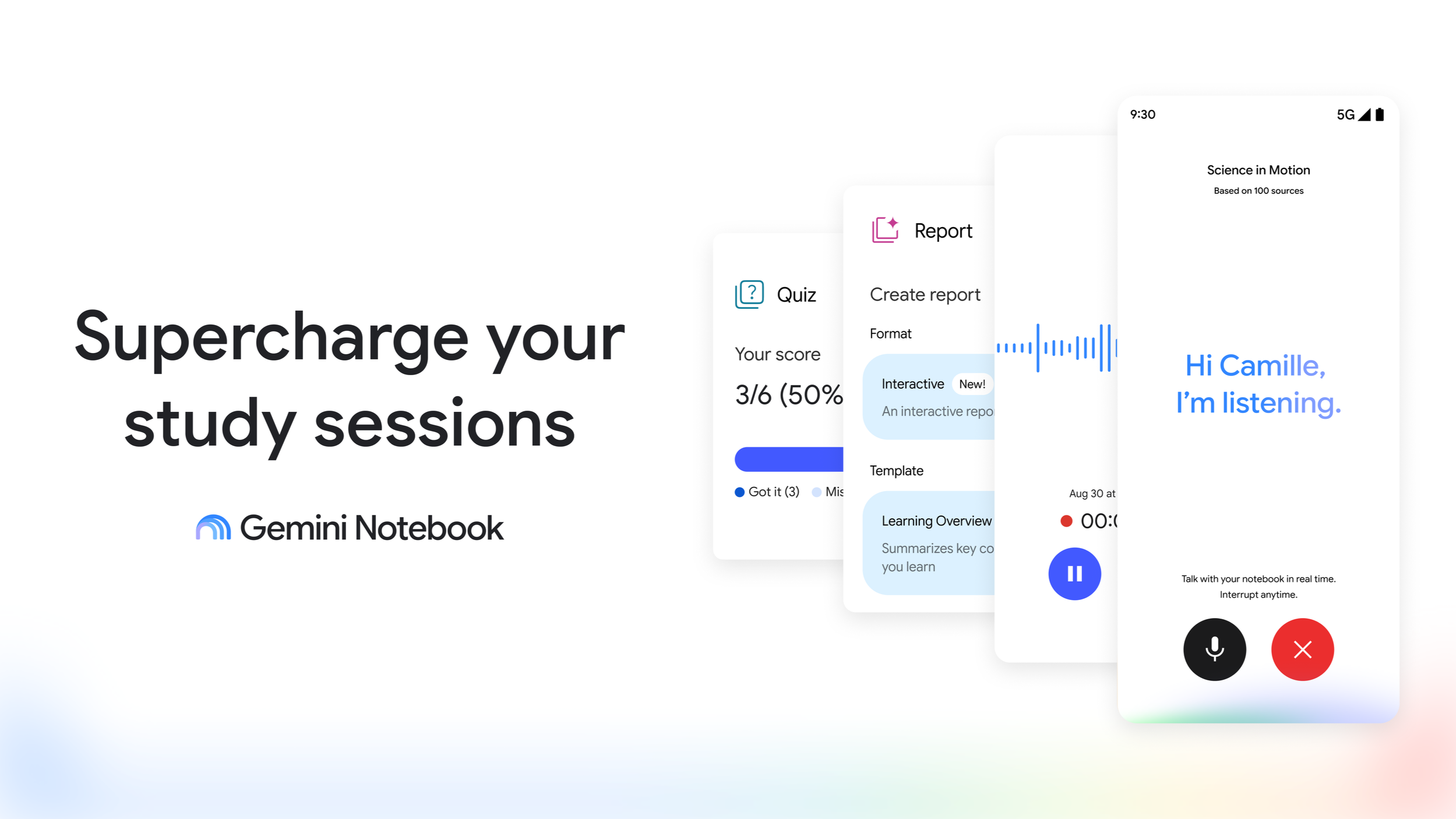
The project also integrates Google's NotebookLM tool with holdings from the National Archives' Founders Online collection, which houses more than 180,000 documents. Users can explore interactive notebooks built around the personal correspondence of figures including George Washington, Abigail Adams, and Mercy Otis Warren. A separate notebook, developed with the Royal Society, draws on Benjamin Franklin's scientific documents.
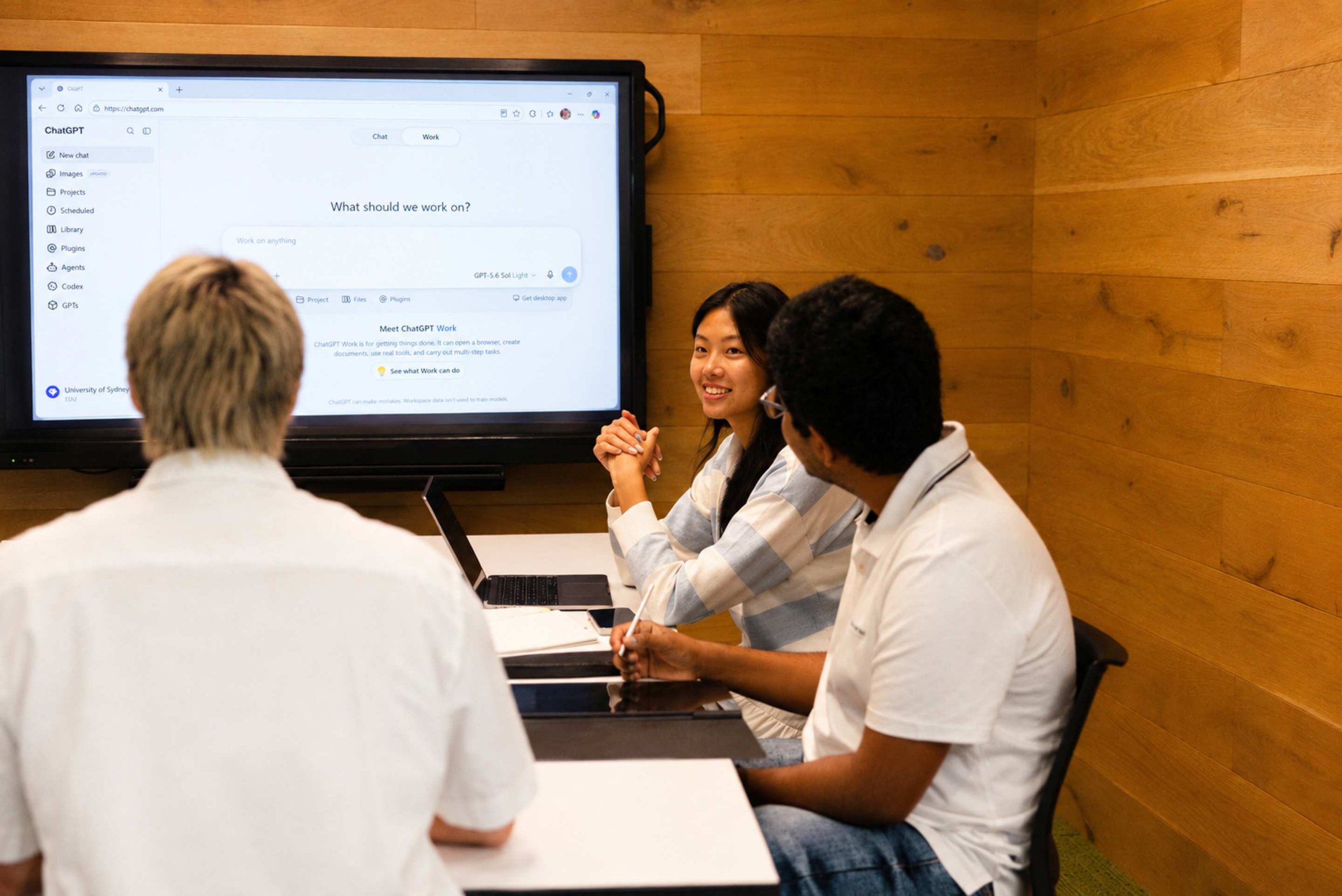
The NotebookLM turns primary source archives into AI-powered research environments, allowing students and educators to interrogate historical documents through conversation rather than static browsing.
National parks get AI-enriched guides
The collaboration extends beyond archives. Google has launched a new One Minute Guides experiment drawing on the National Park Service's API to offer AI-generated explorations of national parks including Yosemite and the Grand Canyon. The personalized guides use Google AI to deliver short, visual introductions tailored to user interests.
Amit Sood, VP and Founder of Google Arts and Culture, says: "Through this partnership, we're using AI and immersive technology to ensure that the artifacts of America's founding story remain accessible and inspiring for the next 250 years."
The National Archives Museum is also running a physical companion exhibition, The American Story, for those who want to see the records in person. Google's broader push to layer AI tools over institutional archives is one to watch for museums, universities, and EdTech providers exploring how to make static collections interactive at scale.