Adobe, Canva, and Autodesk sign up as Anthropic brings Claude AI into creative software and art school classrooms
The company has released connectors linking its AI model to creative software from eight partners, while students and faculty at RISD, Ringling College, and Goldsmiths will get access to test the tools in their programs.
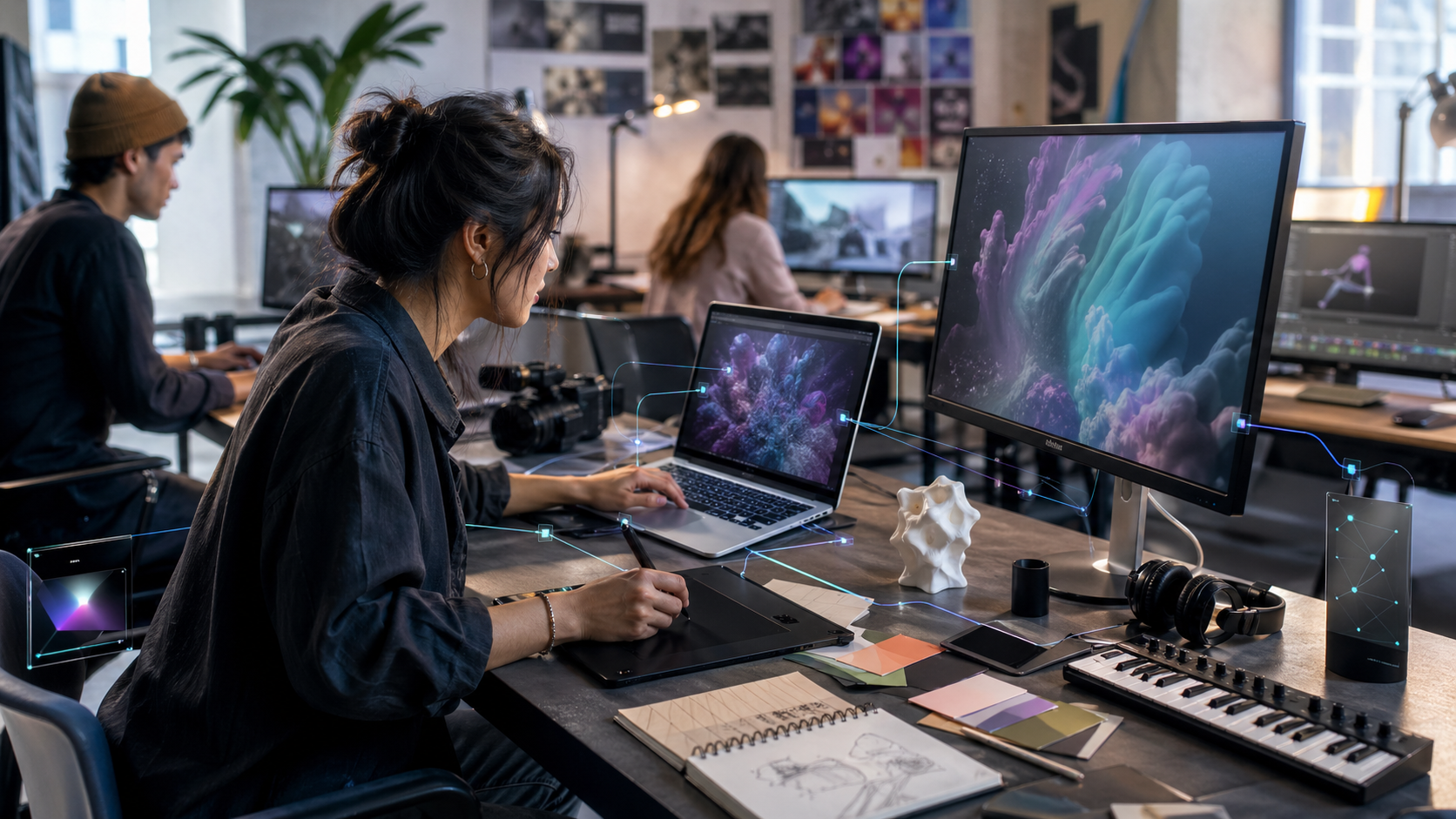
Anthropic has connected Claude AI to creative software from Adobe, Blender, Autodesk, Ableton, and five other partners
Anthropic has released a set of connectors that link its AI model Claude to creative software from Adobe, Blender, Autodesk, Ableton, Splice, SketchUp, Resolume, and Affinity by Canva.
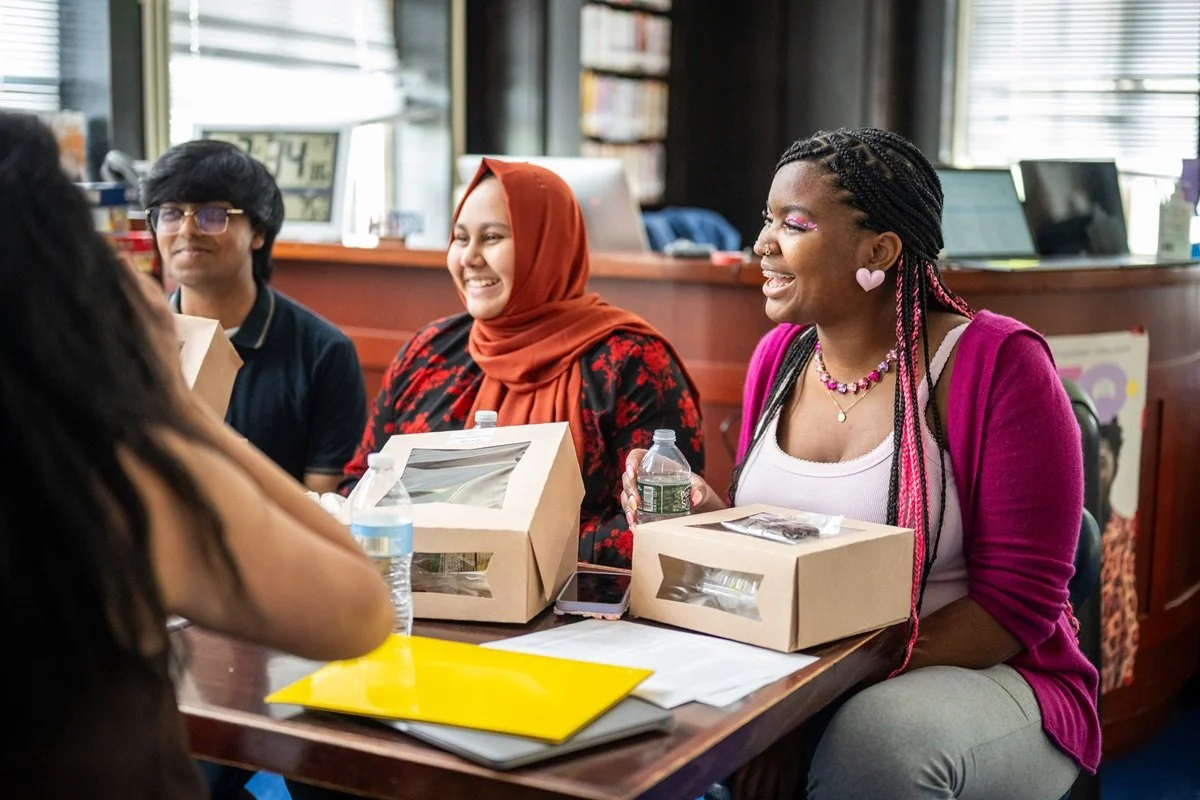
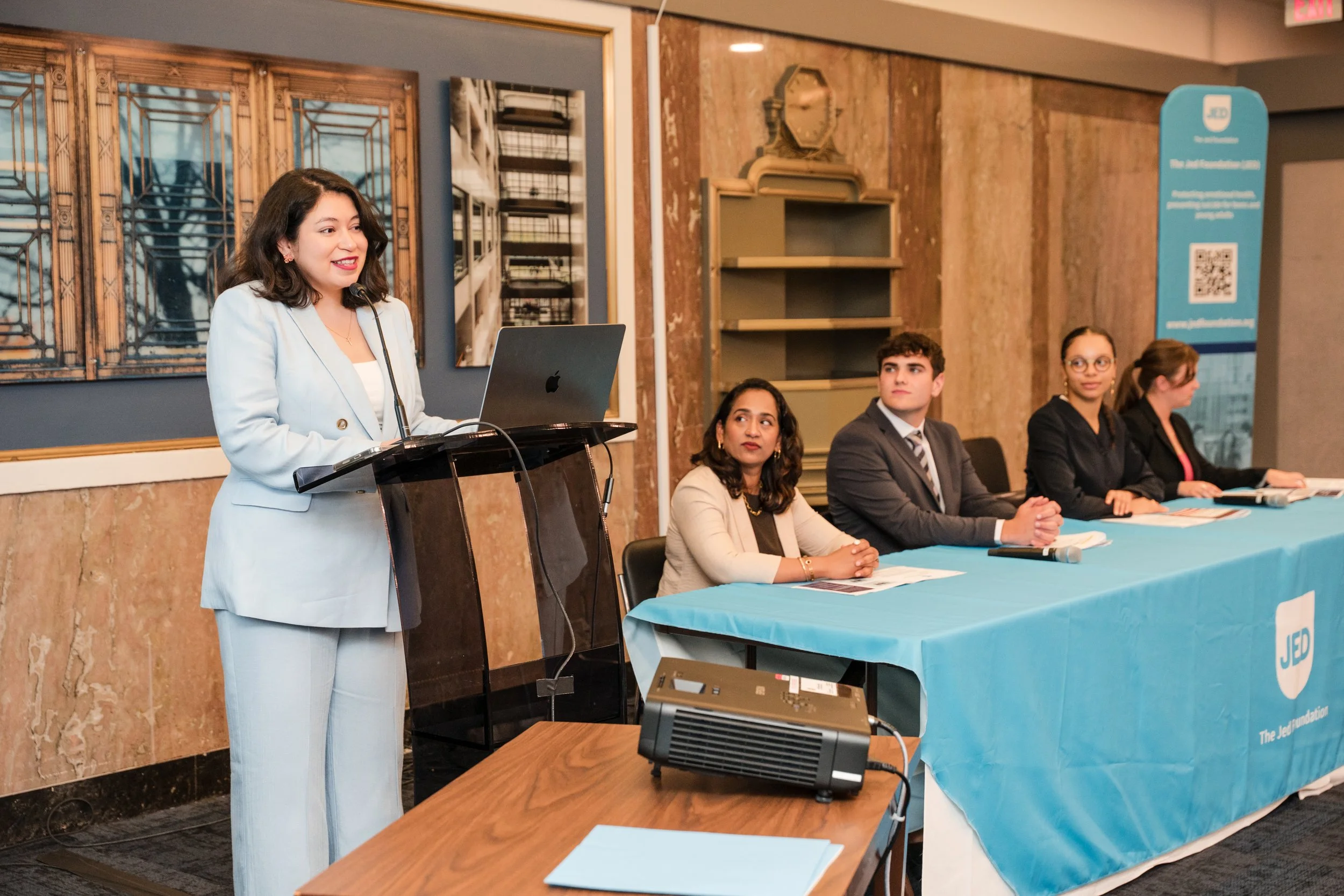
Alongside the product rollout, the company has partnered with three art and design programs at Rhode Island School of Design, Ringling College of Art and Design, and Goldsmiths, University of London, giving students and faculty access to Claude and the new connectors for use in their curricula.
The connectors allow Claude to work directly within the software creative professionals already use. Each integration is tailored to a specific platform rather than offering a single generic interface.
What the connectors do
The Adobe connector gives users access to more than 50 tools across Creative Cloud apps including Photoshop, Premiere, and Express. The Autodesk Fusion connector allows designers and engineers with a Fusion subscription to create and modify 3D models through conversation with Claude. Blender's connector provides a natural-language interface to its Python API, letting users analyze scenes, build custom scripts, and add tools directly to Blender's interface.
On the audio side, the Ableton connector grounds Claude's responses in official product documentation for Live and Push, while the Splice connector lets music producers search its catalog of royalty-free samples from within Claude. Resolume's connectors give live visual artists real-time control over Arena, Avenue, and Wire through natural language. SketchUp turns a conversation with Claude into a starting point for 3D modeling, and the Affinity by Canva connector automates repetitive production tasks such as batch image adjustments, layer renaming, and file export.
Anthropic has also joined the Blender Development Fund as a patron. Because Blender's connector is built on MCP, the open Model Context Protocol, it is accessible to other large language models in addition to Claude.
Three art schools will test the tools in the classroom
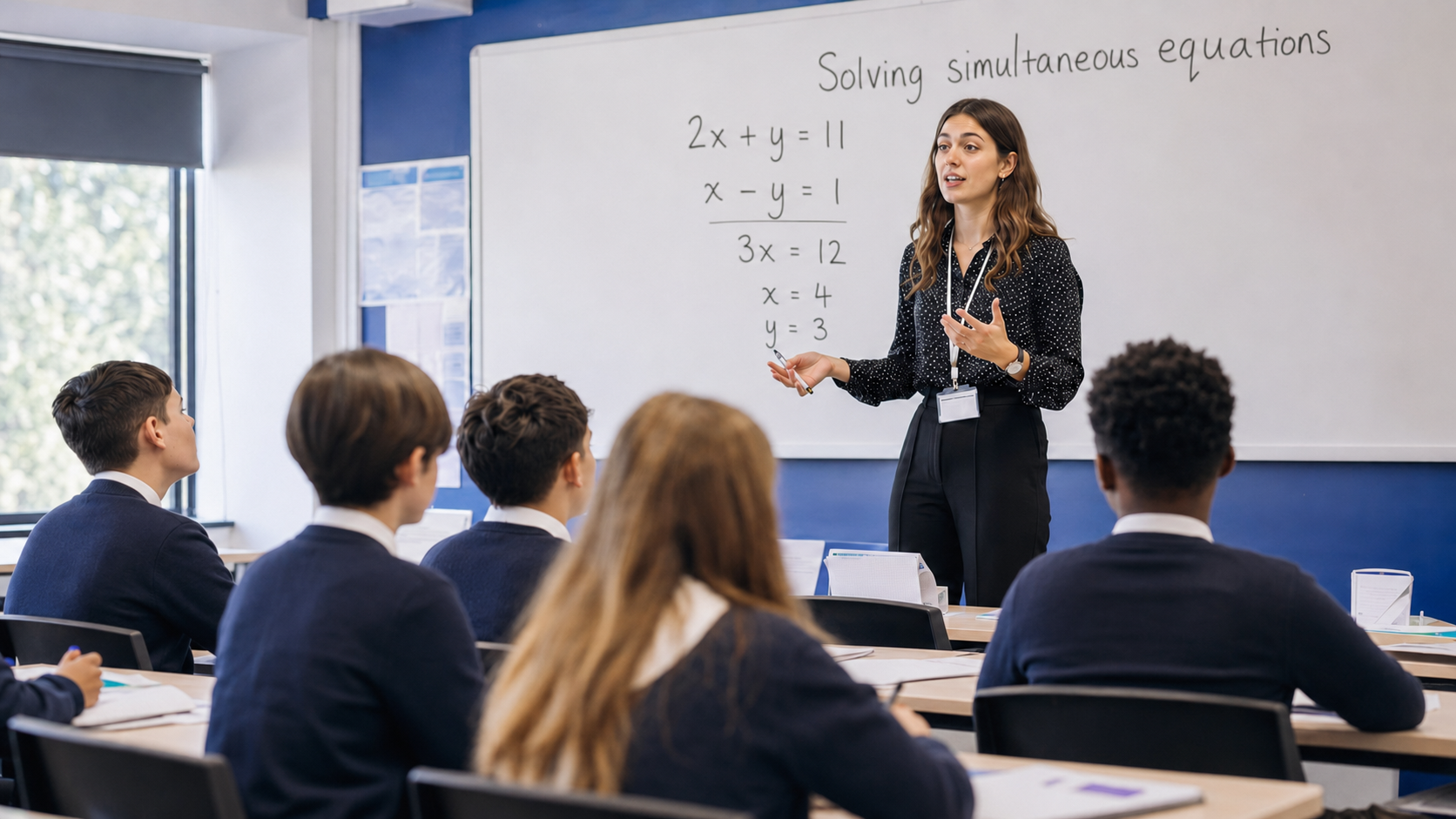
The three educational partnerships cover programs at different levels and across different creative disciplines. RISD's Art and Computation program, Ringling College's Fundamentals of AI for Creatives course, and Goldsmiths' MA/MFA Computational Arts program will all receive access. Anthropic says feedback from students and faculty will inform how the tools are developed, and that it plans to expand the program to more institutions.
The company has also introduced Claude Design, a product from Anthropic Labs that lets users explore ideas for software experiences, visualize options, and iterate on them before exporting results to other tools, starting with Canva.
Anthropic is placing Claude directly into the workflows of three institutions that train the next generation of creative professionals. The company says the program is designed to learn from practitioners rather than simply distribute the product, though embedding AI tools into degree programs also builds familiarity among students who will carry those preferences into the industry.