UCLA students defy university pushback to build Southern California's first Claude hackathon
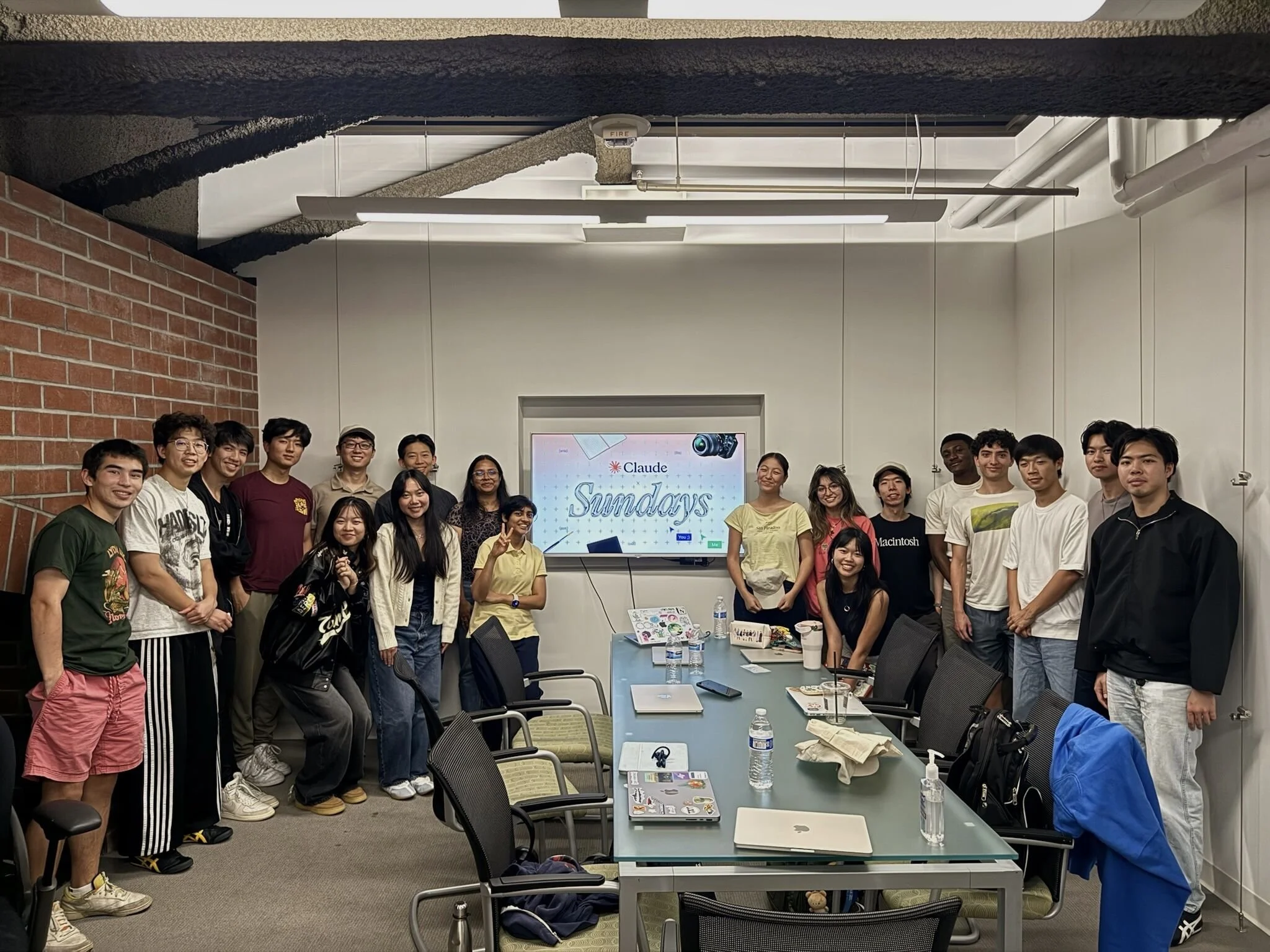
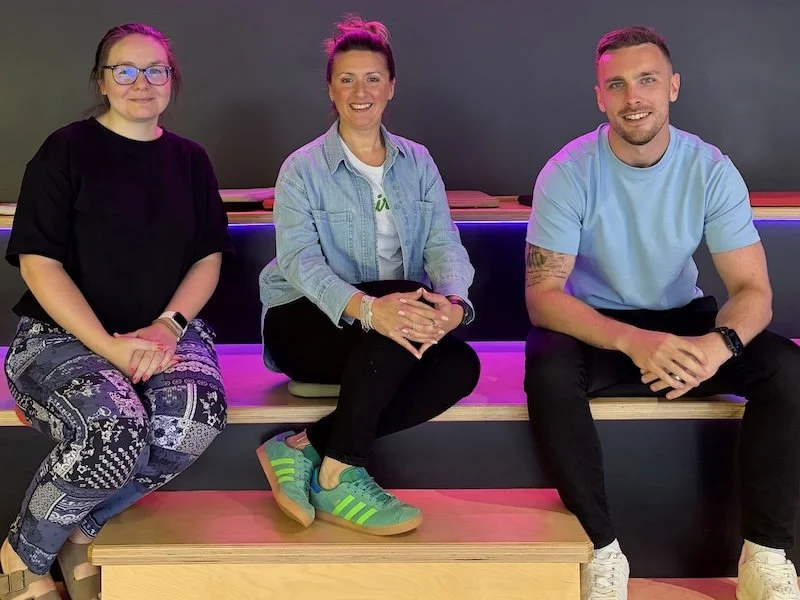
Members of the Claude Builder Club at UCLA, founded by Anthropic ambassadors Emily Shen and Gokul Nambiar after the university initially rejected their AI event proposal. Photo Credit: Emily Shen
A group of University of California, Los Angeles (UCLA) students built Southern California's first Claude hackathon after the university reportedly initially denied their proposal on the grounds that it was an "AI event."
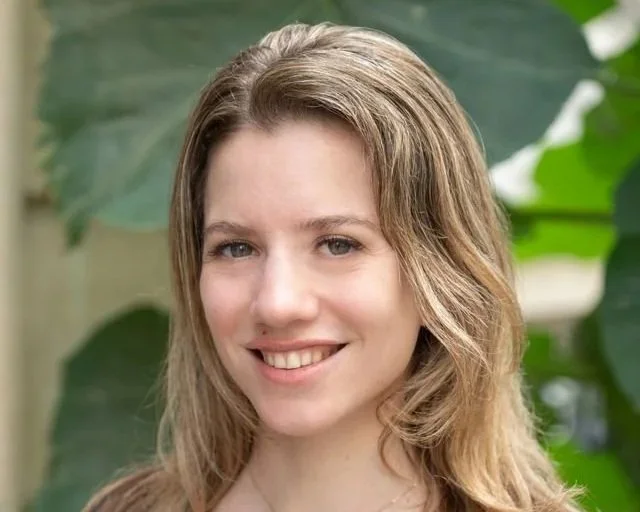
Emily Shen, an Anthropic ambassador and incoming Adobe experience design intern studying Cognitive Science at UCLA, shared the story in a LinkedIn post. "UCLA denied our Claude hackathon proposal because it was an 'AI event,'" she wrote. "I get the concern. But shielding students from AI is like refusing to give your kid internet access to protect them from misinformation. It doesn't make the risk disappear... it just means they'll be unprepared when they inevitably encounter it."
In response, Shen and fellow Anthropic ambassador Gokul Nambiar, a Cognitive, Linguistic, and Computer Science student at UCLA, founded the Claude Builder Club to promote AI literacy across backgrounds and skill levels. The club went on to host the SoCal Claude Hackathon, drawing more than 100 builders from UCLA, USC, and Caltech for a six-hour social impact build.
Hackathon projects tackled healthcare access, crop disease, and clinical workflows
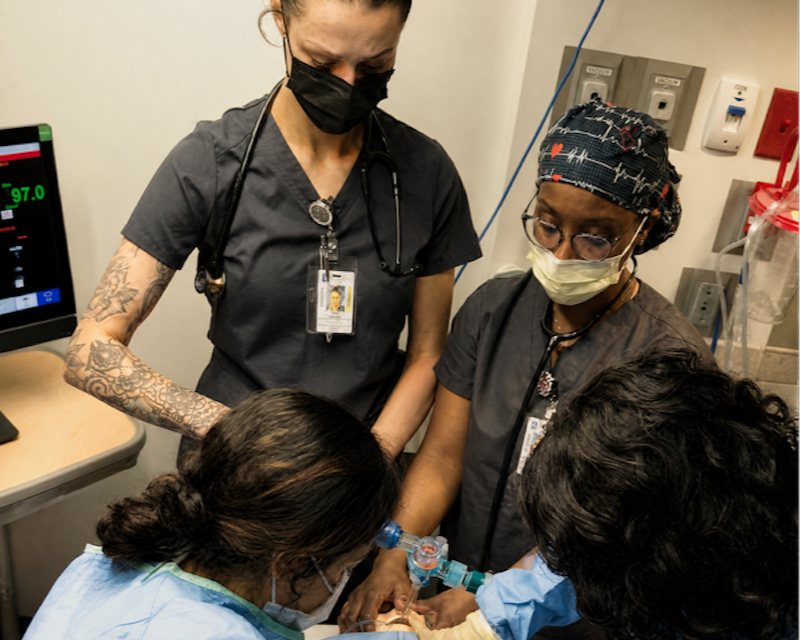
The winning project, Nucleus, was built by a USC team led by Manas Dalvi, a research intern at USC. The team created a multi-agent system designed to function as a central console for hospital floor operations, allowing a single nurse to monitor an entire ward from one screen.
"Nurses are drowning in fragmented tools, juggling monitors, whiteboards, and phone calls just to manage a single floor," Dalvi wrote in his LinkedIn post. "We wanted to fix that." The system uses Fetch.ai agents to poll patient vitals every ten seconds, calculate clinical risk scores, and auto-generate bedside summaries using Claude.
The "Most Impact" award went to Meridian, a shared clinical record tool built by Ellie Huang, an incoming Roblox product design intern studying Cognitive Science at UCLA. "Most tools built 'for' patients treat them as data sources," Huang said. "Meridian is built differently: a shared record with two authors, where the therapist gets their attention back and the patient owns what they contribute." The tool uses Claude to surface themes and commitments from therapy session transcripts, while giving patients a journaling surface with granular privacy controls over what their therapist can see.
Linn Khant Thuya, a computer science student at UCLA with previous internship experience at NASA's Jet Propulsion Laboratory, built Call2Well with teammate Khant Nyi Hlaing. The voice AI agent helps uninsured Americans find free or low-cost clinics by phone. "27 million Americans are uninsured," Thuya commented. "The issue isn't that care doesn't exist. There are 14,000+ federally funded clinics across the US. Most people just don't know about them. That's not a supply problem. That's an access problem."
Club began with workshops and a fireside chat before the hackathon
Before the hackathon, the Claude Builder Club ran a series of events to build participation across technical and non-technical students. A "Build Your Personal Brand" workshop in partnership with Figma showed students with no development experience how to use Claude and Figma together for career positioning. An Anthropic engineer fireside chat gave students a look at how Constitutional AI works in practice.
"First, we broke the 'I'm not technical enough' barrier," Shen wrote, describing the club's approach to building engagement before throwing participants into the hackathon itself.
Nambiar, who co-leads the club, described the experience in a separate LinkedIn post: "Everyone builds with Claude, however this weekend I got to build for Claude and it was one of the most fulfilling experiences I've had. Helping lead the Claude Builder Club at UCLA has been one of the greatest privileges of my college experience."
Projects also caught attention at LA Hacks
Several Claude Builder Club members went on to compete at LA Hacks, UCLA's flagship hackathon, which drew 300-plus submissions and 200 judges. Nambiar's team built Cropt, a tool addressing crop disease among smallholder farmers, and won an honorable mention.
Yeyen O., a senior UX researcher who judged at LA Hacks, described the project in a LinkedIn post: "One crop disease in Southeast Asia wiped out 2.5 million acres. 80% yield loss. And the farmers who needed help most are stuck behind what the team calls the 'triple barrier': low connectivity, low literacy, limited education."
Cropt uses on-device AI to diagnose plant diseases through a phone camera, delivering treatment steps in over 70 languages without requiring an internet connection.
Andrea Li, a computer science student at Caltech who helped organize the Claude Hackathon, reflected on the event in her own LinkedIn post. "Watching teams build projects around real-world impact in just 6 hours was honestly so cool to see," she wrote.
The Claude Builder Club is now established as an ongoing organization at UCLA, with a stated mission of welcoming students regardless of major or technical ability. With UCLA's initial rejection of an AI event as context, the club's trajectory from denied proposal to multi-campus hackathon highlights how student-led communities are outpacing institutional responses to AI on campus. Whether universities adapt their policies to match student demand for AI literacy programming remains an open question.