Oxford professor Shimon Whiteson leaves Waymo to lead multi-agent learning at DeepMind
The reinforcement learning researcher, whose work on multi-agent systems has been cited thousands of times, will build a new team at DeepMind after six years at Alphabet's autonomous driving unit.
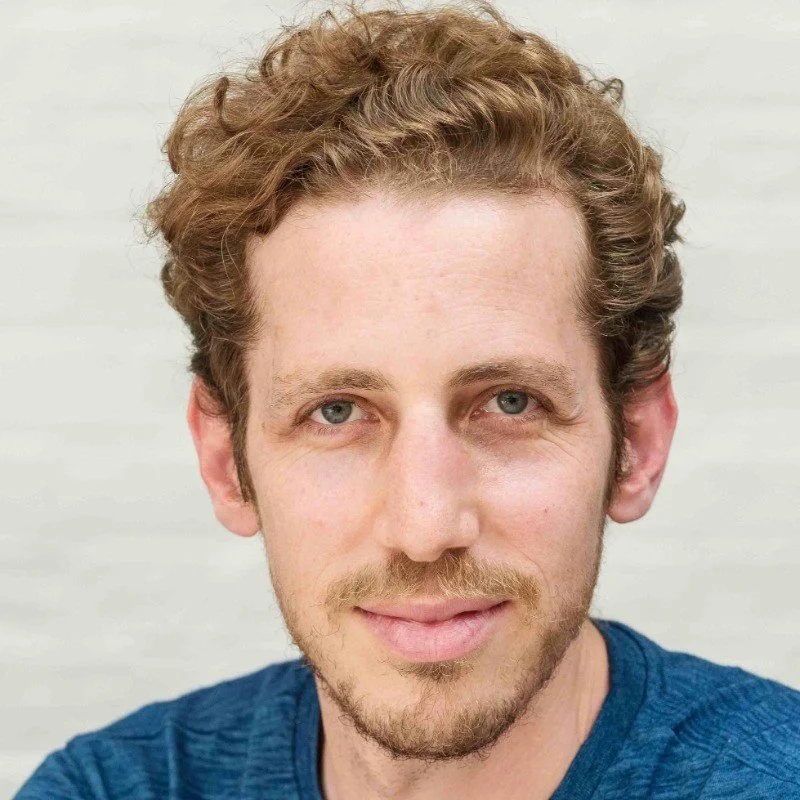
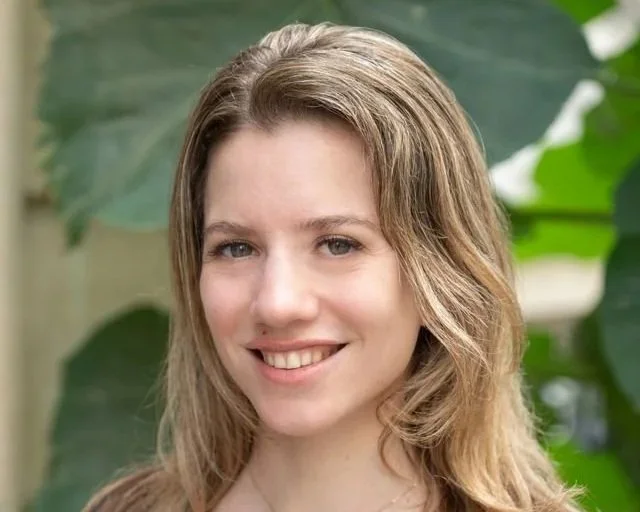
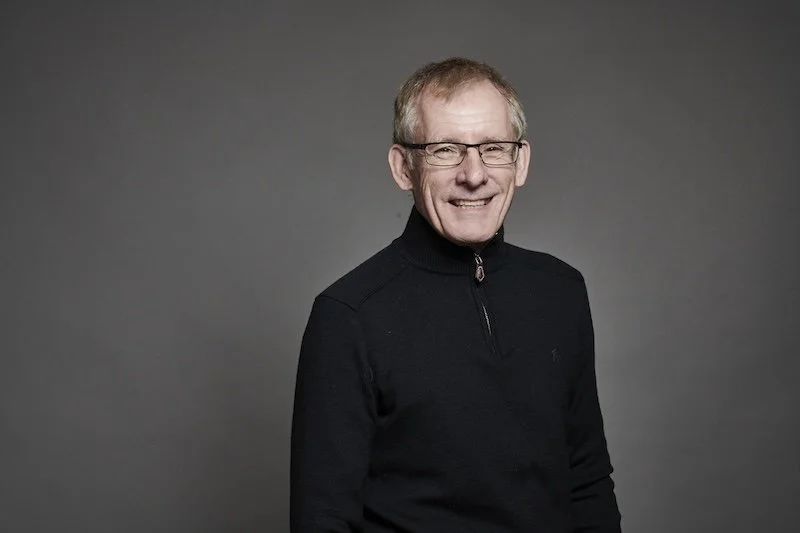
Shimon Whiteson is leaving Waymo after six years to lead a new multi-agent learning team at Google DeepMind, while retaining his professorship at the University of Oxford.
Shimon Whiteson, Professor of Computer Science at the University of Oxford and one of the most cited researchers in multi-agent reinforcement learning, has announced he is leaving Waymo to lead a new multi-agent learning team at Google DeepMind.
Whiteson shared the news in a LinkedIn post, writing that after six years at Alphabet's autonomous driving division he is "ready for a new challenge and hugely excited by the opportunity to build something amazing at DeepMind."
He joined Waymo in late 2019 as a Staff Research Scientist, rising to Senior Staff Research Scientist in January 2024. Before that, he was Chief Scientist at Latent Logic, a University of Oxford spinout focused on imitation learning for autonomous vehicles, which Waymo acquired in 2019. He has held his Oxford professorship concurrently since 2015.
Research record spans foundational multi-agent work
Whiteson's academic output places him among the most influential researchers working at the intersection of reinforcement learning and multi-agent systems. His co-authored papers include QMIX, a foundational method for multi-agent value function factorization cited over 4,300 times, and work on multi-agent policy gradients, communication in deep multi-agent systems, and the StarCraft Multi-Agent Challenge benchmark, each cited more than 1,700 times.
His research group at Oxford, the Whiteson Research Lab, has published across NeurIPS, AAAI, ICML, and the Journal of Machine Learning Research. His work on LipNet, an end-to-end sentence-level lipreading system, has been cited more than 640 times.
"I started out as a self-driving skeptic but working at Waymo and seeing its dramatic growth turned me into a true believer," Whiteson wrote. "I am as bullish on Waymo as ever."
Whiteson described the current moment as "an incredible time to be working at the frontier of AI capabilities."