NUS Computing robotics lab launches with focus on real-world AI manipulation
The new MAGIC Lab will recruit PhD students, Research Assistants, and Postdocs to work on human-centric robotics, 3D vision, robot learning, and general intelligence control.
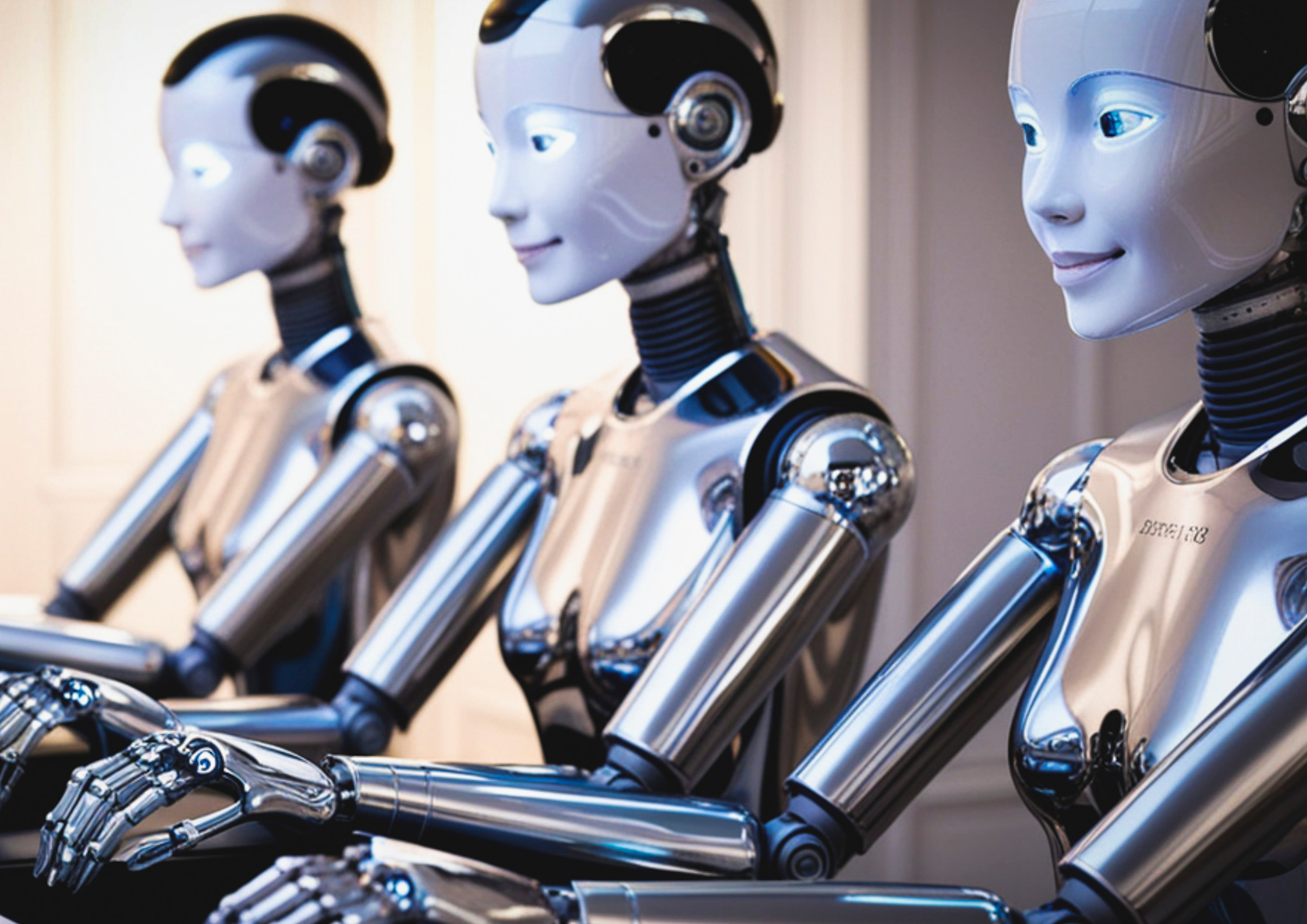
NUS Computing’s new MAGIC Lab will focus on robotics AI research, including robot learning, 3D vision, dexterous manipulation, simulation, and real-world deployment.
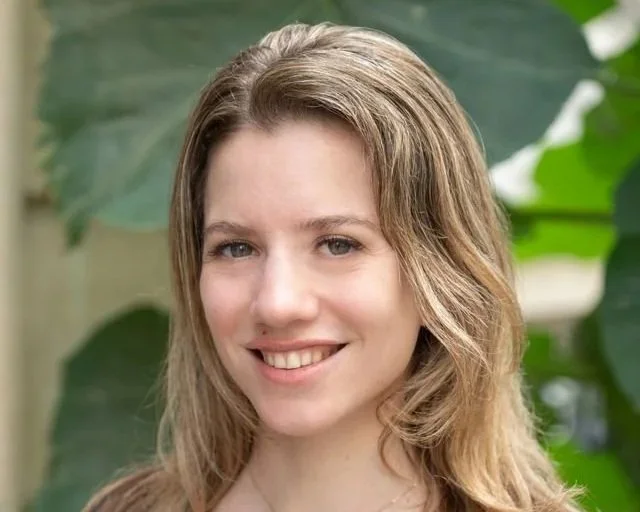
Jiafei Duan, an incoming Presidential Young Professor at NUS Computing, has announced the launch of the Manipulation and General Intelligence Control Lab, known as MAGIC Lab, at the National University of Singapore.
Duan shared the update on LinkedIn, setting out plans for a research group focused on human-centric models for robotic manipulation. The launch adds another signal that robotics, embodied AI, and machine learning are moving closer to the skills and research agenda for computing schools, graduate students, and AI research teams.
MAGIC Lab will focus on robotic manipulation systems designed for real-world deployment. Its stated research areas include multimodal large language model reasoning, 3D vision, robot learning, simulation, dexterous manipulation, and cross-embodiment learning.
Duan says the lab’s mission is to build “the next generation of human-centric models for robotic manipulation — designed to be deployed safely, reliably, and easily in the real world.”
The lab is recruiting PhD students, Research Assistants, and Postdocs from backgrounds including robotics, computer vision, machine learning, and related fields.
Duan says in the post: “After years of research in robotics and AI, I'm thrilled to start my own group: the Manipulation and General Intelligence Control (MAGIC) Lab at the National University of Singapore.”
The recruitment drive puts the lab straight into the competition for robotics and AI talent, with NUS looking for researchers who can work across models, vision, simulation, and physical deployment.
Research focus spans models, vision, and manipulation
Duan is currently a PhD student at the University of Washington, Seattle, advised by Professor Dieter Fox and Assistant Professor Ranjay Krishna at the Paul G. Allen School of Computer Science and Engineering.
His listed research and industry experience includes work at Ai2, where he led and built MolmoAct, described in his profile as an open source Robotics Foundation Model, as well as roles at NVIDIA and A*STAR’s Institute for Infocomm Research in Singapore.
The MAGIC Lab research agenda reflects a wider shift in AI research from text and software tasks toward embodied systems that need to interpret environments, handle physical objects, and operate across different robot platforms.
The lab’s research agenda reflects a broader shift in AI training, with robotics researchers increasingly expected to combine model reasoning with sensors, simulation, hardware, and deployment constraints.
NUS Computing traces its roots to the Nanyang University Department of Computer Science, founded in 1975, before becoming part of the National University of Singapore following the 1980 merger of Nanyang University and the University of Singapore. The NUS School of Computing was established in 1998.