Canva Learn Grid brings AI learning resources to teachers, parents, and home learners
The free platform combines curriculum-mapped resources, AI activity generation, and lesson delivery tools for classrooms, tutoring, home learning, and lifelong education.
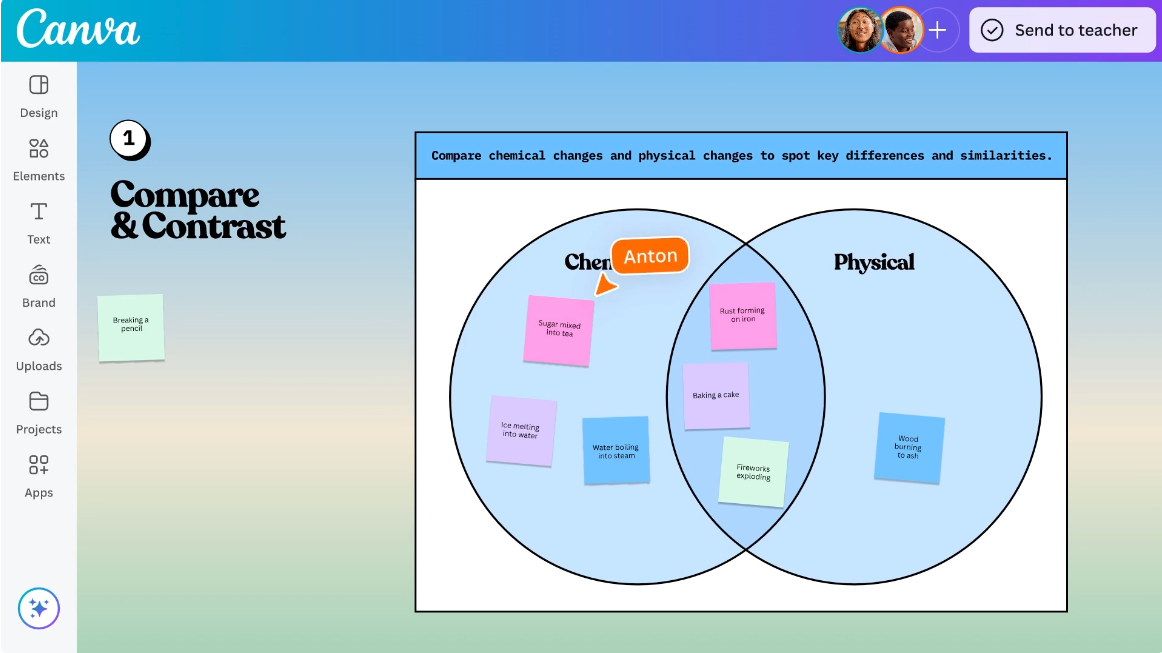
Canva Learn Grid brings curriculum-mapped resources, AI activity generation, and lesson delivery tools into Canva for teachers, parents, tutors, and learners.
Canva has introduced Learn Grid, a free education platform that brings curriculum-mapped resources, AI-powered activity creation, and lesson delivery tools to teachers, parents, tutors, home learners, and lifelong learners.
The platform includes more than 50,000 curriculum-mapped resources, AI generation across more than 30 activity types, and support for more than 16 languages. Canva says Learn Grid is designed for anyone who teaches or learns, widening the company’s education offer beyond classroom design tools and into lesson planning, homework support, tutoring, and independent learning.
For verified teachers using Canva Education, Learn Grid also supports lesson planning, assignment, live lesson delivery, and automatic student response data within Canva. For parents, tutors, and learners outside formal education settings, it gives access to structured resources and AI-generated activities without requiring a school-controlled platform.
From classroom planning to home learning
Learn Grid was announced at Canva Create and is being positioned by the company as its biggest education investment to date. Users can search for resources by subject, grade, and learning outcome, then adapt or generate learning activities inside Canva.
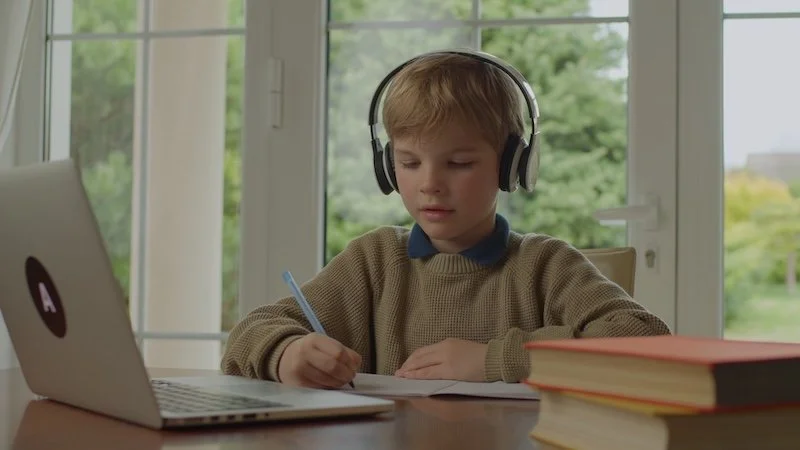
The same tools could be used by a teacher preparing a class activity, a parent supporting homework, a tutor adapting work for an individual learner, or an adult learner building new skills independently. Canva says the platform is intended to reduce the time spent searching across separate tools for resources that fit a specific lesson, learner, or context.
In a LinkedIn post announcing the platform, Carly Daff, Head of Teams & Education at Canva, wrote that “Access to quality learning shouldn't depend on where you were born or how much you can afford to spend,” adding that this has been “at the heart of everything we've built in Canva Education.”
Daff said Learn Grid was built to address a common problem for teachers, parents, and independent learners. She wrote that for many teachers, “Sunday evenings look the same: tabs open across three browsers, searching for a worksheet that actually aligns to what they're teaching that week,” while parents may lack “the right tools or confidence to help” at homework time.
She also pointed to lifelong learners, writing that for some, the issue is “not having access to the right resources at all.” Daff added: “That's exactly what Learn Grid was built to solve, and I couldn't be more proud to be sharing this with the world.”
AI activity generation built into Canva
Learn Grid includes AI-powered tools for creating interactive games, worksheets, whiteboards, and graphic organizers. Canva says resources are mapped to local curriculum standards, allowing users to find materials aligned to subject, grade, and learning outcome rather than starting from a blank page.
Daff wrote on LinkedIn that Learn Grid includes “Thousands of curriculum-mapped resources organised by subject, grade, and learning outcome,” so users can find resources that match what students are expected to learn. She also highlighted “AI-powered activity generation that creates interactive games, worksheets, and graphic organisers in seconds,” with activities tailored to a class and its interests.
For teachers, that means Learn Grid can sit inside lesson planning and classroom delivery. For parents and home learners, the platform could be used to create practice activities around homework topics or areas where a learner needs extra support. For tutors, the AI generation tools offer a way to adapt resources for individual students without building each activity manually.
Verified teachers using Canva Education can assign activities directly to students and run live lessons through the platform. Student response data flows back automatically, giving teachers a way to check understanding without moving between separate systems.
Daff wrote that for verified teachers, Learn Grid provides “a complete platform to discover, assign, and deliver live lessons, all without leaving Canva.” She also emphasized that it is “Free and open to everyone: not just teachers, but parents, tutors, lifelong learners, and anyone who's ever had to make do with resources that were almost right.”
Canva widens its education role
Canva says Learn Grid has been shaped by its education community, which includes more than 170 million people across 190 countries. In her LinkedIn post, Daff wrote that the company has been “learning from over 170 million people in our education community across 190 countries,” describing Learn Grid as “our biggest step yet toward equity in education.”
The company says more markets, resources, languages, and activity types will be added through 2026. That rollout will be important because the platform’s value depends on whether its curriculum mapping and AI-generated activities remain useful across different education systems, languages, and learner needs.
Canva is moving further into a crowded market for AI in education tools, where platforms are competing around faster content creation, personalized learning, classroom delivery, and teacher workflow. Learn Grid’s broader positioning gives Canva an angle beyond schools, with home learning, tutoring, and lifelong learning now part of the same product story.