Columbia and JED partner on teen mental health safeguards for AI
The Technology & Democracy Initiative and The Jed Foundation will begin with an expert roundtable and working paper designed to connect mental health expertise with the technical decisions shaping AI systems

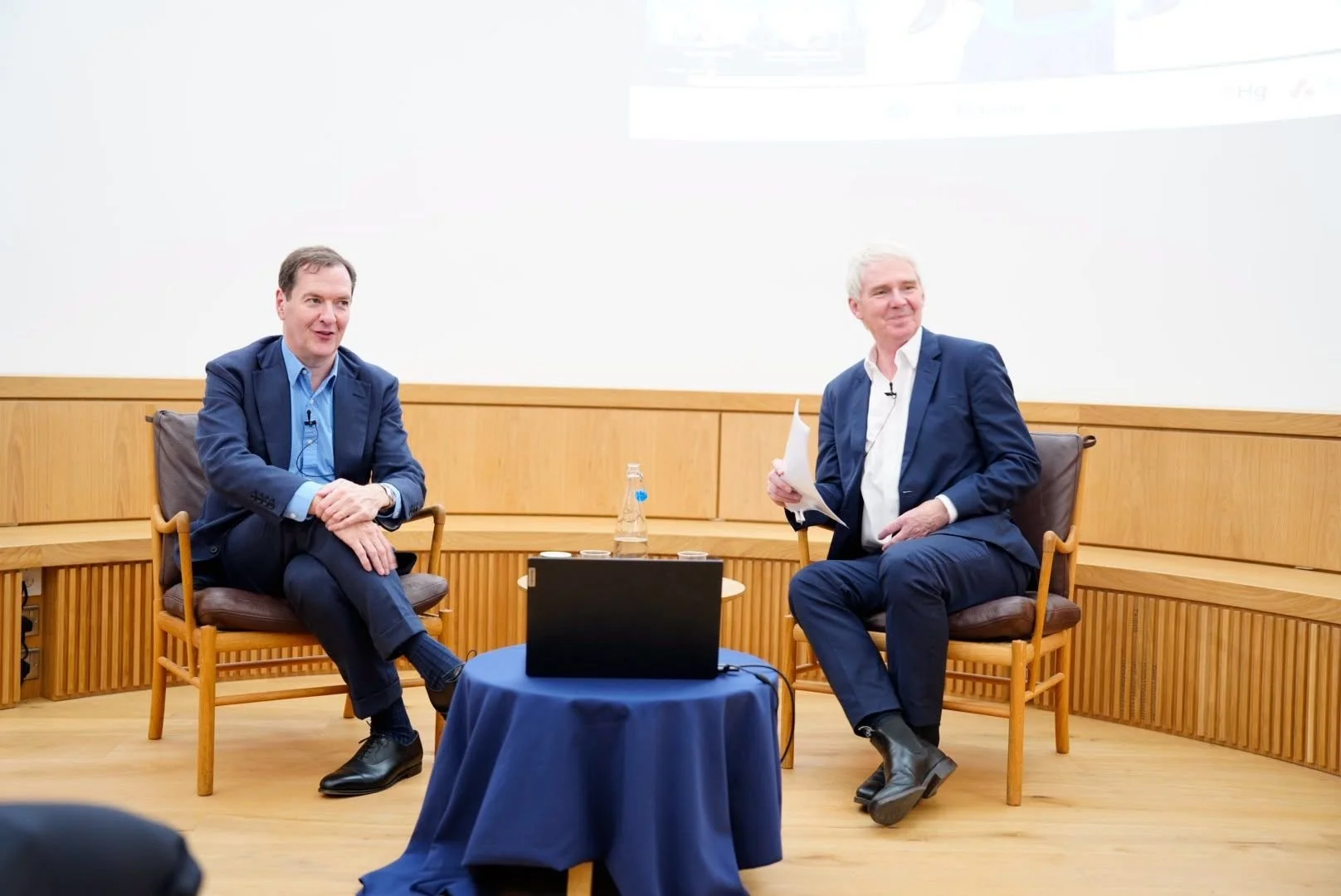
Columbia University’s Technology & Democracy Initiative and The Jed Foundation have partnered on teen mental health and AI safety
Columbia University’s Technology & Democracy Initiative and The Jed Foundation have formed a partnership focused on how AI systems respond to teenagers experiencing emotional distress or suicidal thoughts.
The project brings together AI safety specialists and mental health and suicide prevention experts, two groups the partners say increasingly work on the same problems but still lack a common framework for translating clinical knowledge into technical system design.
Its first phase will include an expert roundtable followed by a jointly authored working paper. The partners intend the paper to provide a practical foundation for AI developers, mental health specialists, policymakers and platform safety teams working on youth mental health.
The focus extends beyond the response a chatbot gives after a student or young person discloses distress. The project will examine how expert judgment can be incorporated throughout an AI system, including the policies governing it, how the technology recognizes that someone may be struggling and how it connects users with support.
Laura Erickson-Schroth, Chief Medical Officer at The Jed Foundation, described the problem on LinkedIn as one of disconnected expertise.
“Mental health and AI safety experts often work in parallel, without common language or a shared roadmap,” she wrote.
Teen chatbot use is already widespread
The partnership is starting from a landscape in which teenagers are already using AI for more than schoolwork or information searches.
Figures cited by Columbia show that 64% of American teenagers use AI chatbots. Among those teenagers, 12% have used them specifically to seek emotional support or advice.
The partners point to cases where AI systems have produced responses that conflict with established mental health and suicide prevention practice, including advising young people on hiding symptoms from caregivers, presenting themselves as therapists and providing information about lethal means of suicide.
Their response is not simply to improve what a chatbot says at the final moment of interaction.
Columbia’s Technology & Democracy Initiative and JED argue that mental health expertise needs to inform decisions across the technical system itself.
That includes how AI products identify distress, what safety policies govern their behavior and what happens when a user may need help beyond what an automated system can provide.
The project is being developed through Columbia SIPA’s Institute of Global Politics, where the Technology & Democracy Initiative works across areas including AI, online harms and digital governance.
JED works with high schools, colleges, school districts and youth-serving community organizations on systems for student mental health, substance misuse and suicide prevention.
A practical AI mental health guide is planned
The initial roundtable and working paper are intended to lead into a broader piece of work.
In a subsequent phase, the partners plan to develop Anatomy of a Mental Health Technical Response, a reference document intended as a practical guide for the field.
They also want the roundtable to establish an ongoing network connecting clinicians and technologists rather than treating collaboration as a one-off consultation.
That approach puts technical development itself under examination. An AI safety team may understand model behavior and system architecture, while clinicians understand signs of distress, crisis escalation and appropriate support. The partnership is designed to create a common process for bringing those forms of expertise together.
Further details about the expert roundtable and additional participating partners are due to be announced in the coming months.