Top ten EdTech stories of the week: AI training, governance debates, and new market funding
AI training initiatives, governance debates, leadership changes, and new investment activity shape the latest developments across schools, higher education, and workforce learning

Last week highlighted how quickly artificial intelligence is becoming embedded across education systems. Governments directed funding toward AI literacy and workforce preparation, universities expanded training and governance discussions, and technology companies rolled out new credentials and educator support programs. Alongside these shifts, investment activity and leadership changes signaled continued competition to shape how AI skills, platforms, and learning tools develop across schools, higher education, and the global training economy.
10. Kahoot! partners with Spacetoon to expand Arabic learning content across MENA
In at number ten, Kahoot! partnered with Spacetoon to launch Arabic-language kahoots built around characters from the broadcaster’s shows. The content will cover subjects including health, social studies, visual arts, emotional literacy, and Arabic language learning, and is designed for use in classrooms and homes across the Middle East and North Africa. The agreement highlights continued demand for culturally localized EdTech content as global learning platforms expand into regional markets.
9. Federal agency directs $4M toward AI literacy in libraries and museums
Taking the ninth spot, the Institute of Museum and Library Services allocated more than $4 million to projects focused on building AI literacy through museums and libraries across the United States. Universities including University of Oklahoma, University of South Carolina, and Purdue University will develop training programs, open curricula, and community initiatives centered on artificial intelligence education. The funding positions cultural institutions as entry points for AI learning and workforce preparation.
8. Anthropic convenes higher education advisory board as AI governance debates intensify
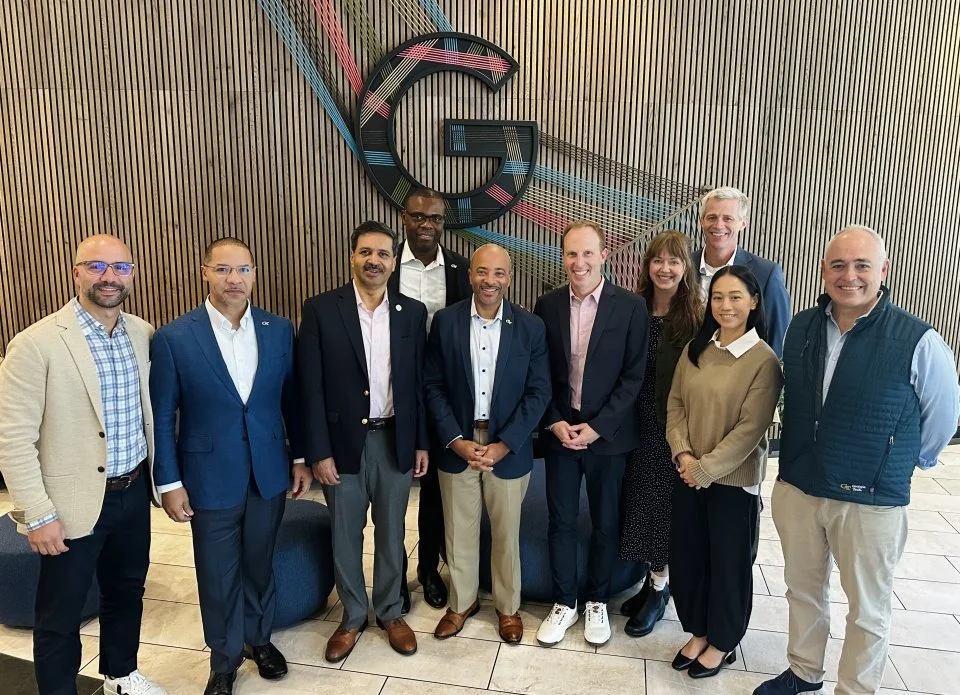
Landing at number eight, Anthropic hosted senior university leaders for a meeting of its Higher Education Advisory Board at its San Francisco headquarters. Participants including James DeVaney and Julie Schell discussed how generative AI will influence teaching, learning, and institutional strategy. The conversations highlight how universities are moving beyond early policy responses toward structured governance around AI.
7. UC Irvine launches AI in Higher Education course for instructors
Entering the list at number seven, University of California, Irvine introduced a new AI in Higher Education course through its School of Education’s Digital Learning Lab. The ten-week program will guide faculty, instructional designers, and professional learning staff through evaluating generative AI tools, designing AI-supported learning activities, and addressing ethical considerations in classroom use. The course reflects growing demand for structured professional development as AI moves into everyday teaching practice.
6. Code.org names Karim Meghji President and CEO
Taking the sixth position, Code.org confirmed that Karim Meghji has stepped up as President and CEO, marking a leadership transition at the global nonprofit. Meghji, previously Chief Product Officer, outlined a strategy centered on expanding computer science access while shifting the conversation from AI literacy toward AI fluency. The appointment comes as schools and policymakers continue to define how artificial intelligence will be embedded in curriculum and workforce preparation.
5. Google rolls out AI Professional Certificate and free training for US small businesses
Entering the top five, Google launched a new AI Professional Certificate designed to help workers move from basic AI literacy to applied workplace skills. The company will offer free access to the program for every US small business through partnerships with the U.S. Chamber of Commerce and America’s Small Business Development Centers. The rollout comes as research from Ipsos and Google shows 70 percent of managers view AI skills as critical, while only 14 percent of workers have received formal training.
4. Giant raises $8M to scale AI storytelling platform for children
Taking the fourth position, Giant secured $8 million in seed funding to expand its interactive storytelling app for children. The round was led by Matrix with participation from Decasonic and Griffin Gaming Partners. Since launching in 2025, the company reports more than one million minutes of user interaction and over 200,000 personalized story episodes generated through its AI-driven platform.
3. OpenAI signals major India expansion through new partnerships and education rollout
Breaking into the top three, OpenAI outlined a broad expansion strategy in India spanning government partnerships, infrastructure development, and education deployments. The update came from Pragya Misra following meetings with national leaders and new agreements with Tata Group. India now has more than 100 million weekly ChatGPT users, and OpenAI confirmed new enterprise deployments alongside more than 100,000 ChatGPT Edu licenses across major universities and institutions.
2. ETIH Innovation Awards 2026 judges spotlight on Catherine Buckler
Taking the runner-up position, ETIH introduced Catherine Buckler as part of the judging panel for the ETIH Innovation Awards 2026. Buckler, Digital Innovation Lead and Head of Geography at Sydenham High School, brings experience in whole-school digital strategy and AI implementation alongside academic research at the University of Bath. The announcement forms part of ETIH’s ongoing series introducing judges who will review entries across the 2026 categories.
1. Google and ISTE+ASCD launch free Gemini AI training for six million US educators
Claiming the top spot, Google partnered with ISTE+ASCD to provide free Gemini AI training for six million K-12 teachers and higher education faculty across the United States. The initiative will deliver structured AI literacy modules alongside access to tools including Gemini and NotebookLM. The program is positioned as the largest educator AI training effort to date, with micro-credentials offered to teachers who complete the coursework.