Top ten EdTech stories of the week: AI evidence gaps, workforce expansion, and policy pressure
AI adoption moves deeper into classrooms, research, and workforce systems as scrutiny over evidence, governance, and impact sharpens across the sector.

Last week marked a shift from rollout to accountability across EdTech, with artificial intelligence moving further into institutional systems while questions around evidence, safety, and long-term outcomes gained urgency. Activity spanned higher education, schools, and workforce development, with research, funding, and policy all tightening around how AI is implemented and measured. The pace of adoption remains high, but the focus is turning toward what works, who benefits, and how systems adapt at scale.
10. Universities struggle with digitisation amid legacy tech and fragmented systems
In at number ten, new research from Tata Consultancy Services finds universities are investing in digital transformation but remain constrained by legacy infrastructure and fragmented systems. The study draws on input from 200 senior leaders across the US, UK, and Australia, highlighting a gap between strategy and execution. While 88 percent view technology as central to innovation, many institutions report only partial progress in areas such as digital student experience and operational integration.
9. Google opens AI fellowship for university faculty
Taking the ninth spot, Google introduced a Higher Education Faculty AI Fellowship targeting academics already applying AI in teaching and research. The program centers on institution-level challenges, including assessment design, governance, and student outcomes, with participants expected to develop solutions tied to their own environments. It combines remote collaboration with in-person work at Google’s London campus and access to research teams and infrastructure.
8. Chalkie raises $4 million to expand AI lesson planning tools
Landing at number eight, Chalkie secured $4 million in funding from TriplePoint Ventures to scale its lesson planning platform. The tool enables teachers to generate curriculum-aligned plans and classroom materials, with reported usage across more than 500,000 educators globally. The funding reflects continued investment in tools positioned around workflow integration, particularly in planning and preparation tasks.
7. Udemy PowerUp explores learning and performance through McLaren case study
At number seven, a session at Udemy PowerUp brought together Zak Brown and Hugo Sarrazin to examine how continuous learning supports performance in high-pressure environments. The discussion focused on alignment across teams, rapid iteration, and the role of structured skills development as organizations adapt to changing technology demands.
6. OpenAI convenes universities and policymakers to discuss AI adoption
Taking sixth place, OpenAI hosted an education summit in San Francisco, bringing together university leaders, policymakers, and researchers to examine institution-wide AI deployment. Discussions focused on governance, measurement of impact, and how AI is being introduced across teaching, research, and operations. Attendees included representatives from universities across the US, Europe, and Asia.
5. Brookings report warns AI risks to students may outweigh benefits
Entering the top five, the Brookings Institution published a global study warning that current use of generative AI in education could undermine student development if not managed carefully. Drawing on input from 505 participants across 50 countries and analysis of more than 400 studies, the report highlights risks to foundational learning, relationships, and long-term outcomes, while outlining a framework for policy, system readiness, and safeguards.
4. Two weeks to go for ETIH Innovation Awards 2026 entries
At number four, at the time of publication, EdTech Innovation Hub confirmed there are two weeks remaining to enter the ETIH Innovation Awards 2026, with submissions closing on 27 March. The awards cover categories spanning AI, digital learning, workforce development, and education-industry collaboration, with entries open globally across schools, higher education, and EdTech providers.
3. AWS names five institutions to lead AI and machine learning training initiative
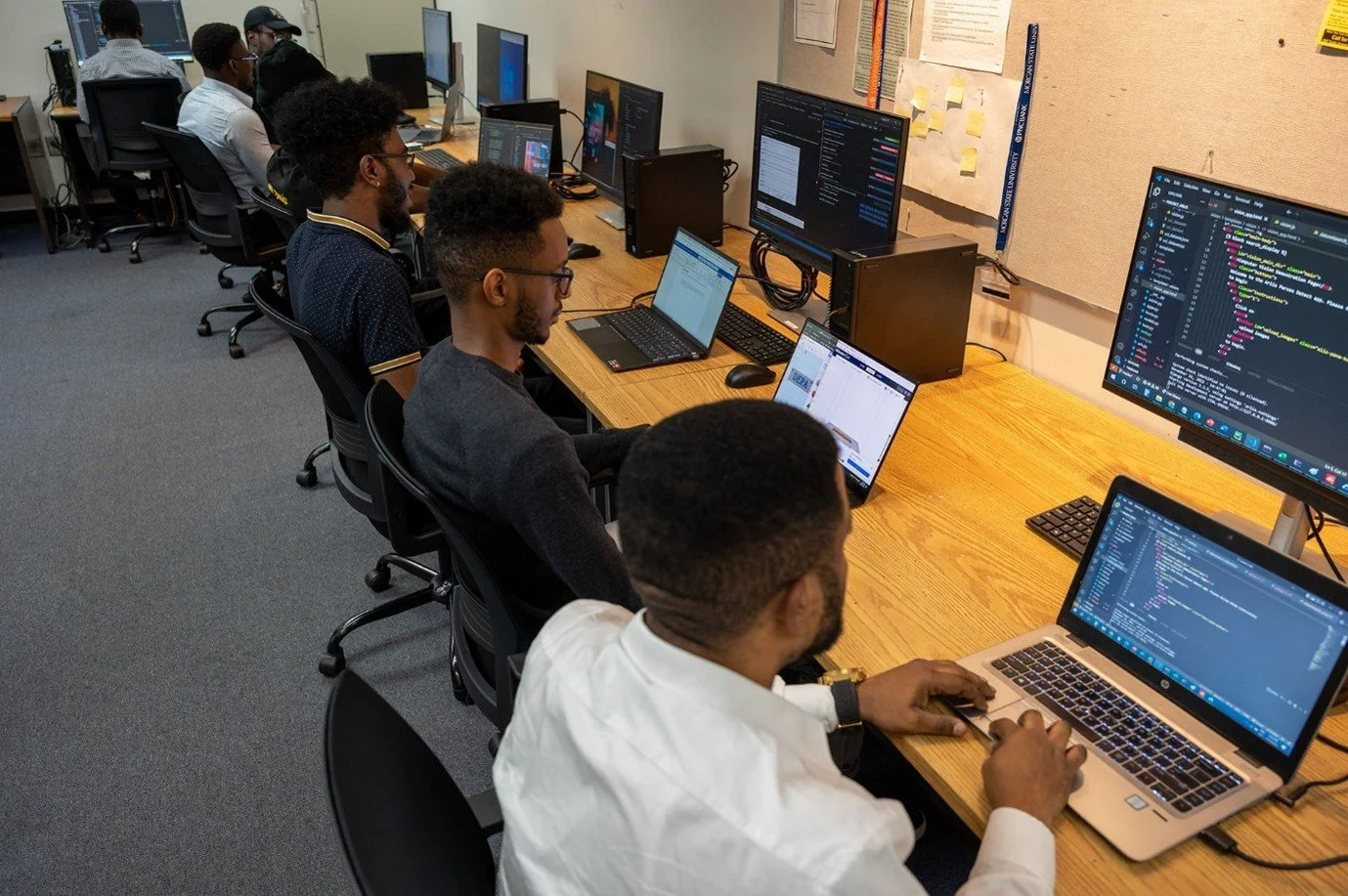
Breaking into the top three, Amazon Web Services named five US institutions as regional leads for its Machine Learning University initiative. The program will support faculty training, student bootcamps, and curriculum development across AI and machine learning, with a focus on expanding access through community colleges and Historically Black Colleges and Universities.
2. Stanford report highlights limited evidence behind AI in K-12 classrooms
Taking the runner-up position, Stanford Graduate School of Education published analysis showing limited causal evidence on the impact of AI tools in K-12 classrooms. The review examined more than 1,100 studies but identified only 20 that rigorously measure outcomes, pointing to a gap between rapid adoption and validated effectiveness in teaching and learning.
1. OpenAI summit brings focus to institution-wide AI adoption in higher education
Claiming the top spot, OpenAI convened university leaders, policymakers, and researchers in San Francisco to discuss how AI is being deployed across higher education systems. The summit centered on governance, measurement of impact, and scaling AI as core academic infrastructure, with institutions sharing approaches to campus-wide implementation.