OxfordAQA and 8billionideas launch international GCSE focused on global skills
New project-based qualification introduces assessed real-world skills alongside traditional subjects, with first teaching planned for 2026.
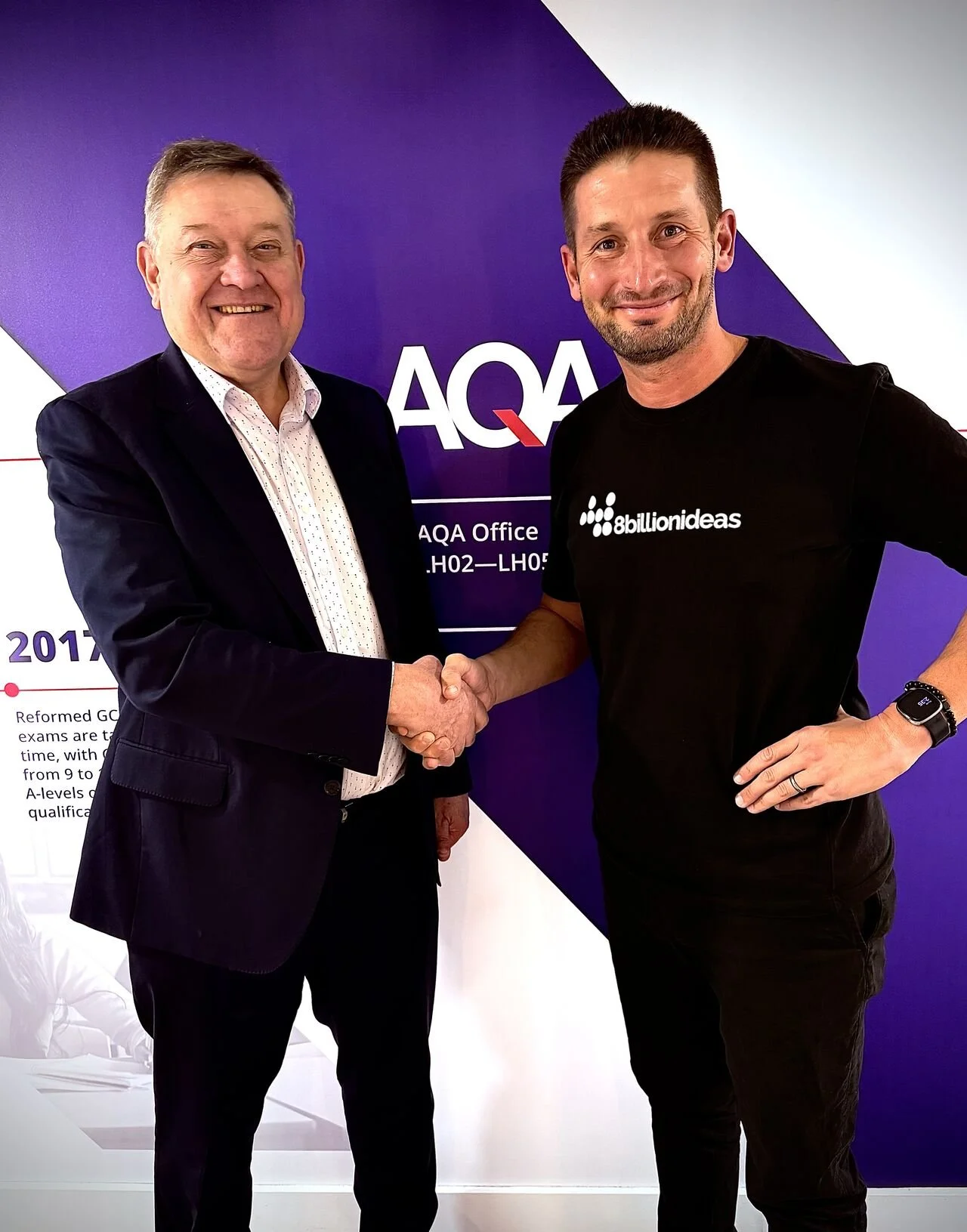
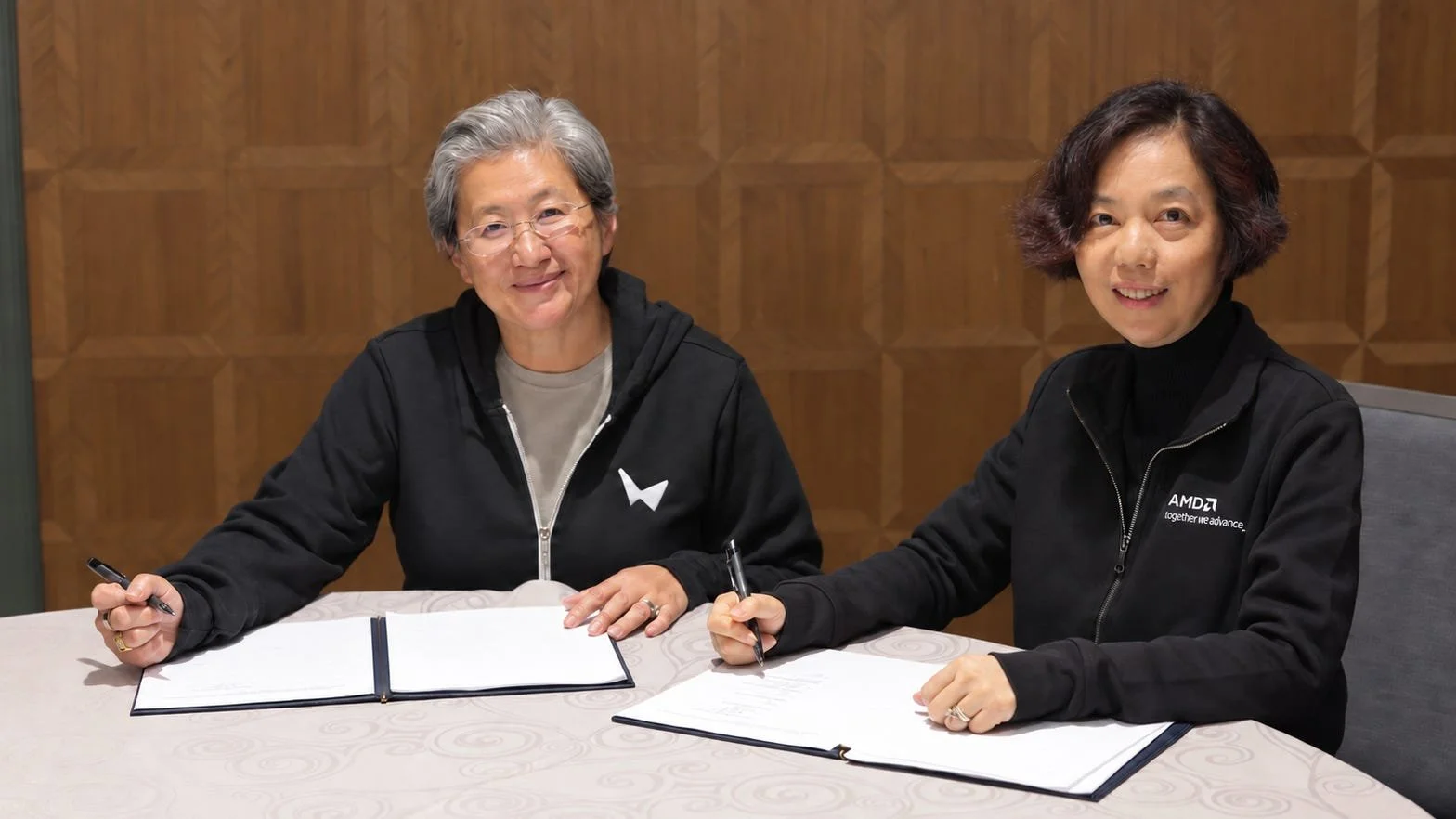
David J Harkin, CEO of 8billionideas (right), with Andrew Coombe, Managing Director at OxfordAQA, following the signing of the partnership agreement Credit: David J Harkin
OxfordAQA and 8billionideas have launched a new International GCSE Global Skills Projects qualification, with the announcement shared on LinkedIn by 8billionideas and its CEO David J Harkin.
The qualification will be introduced globally from September 2026 and combines academic study with assessed project-based work focused on real-world challenges.
The rollout places structured skills development within a GCSE framework, as providers continue to test alternatives to exam-only assessment.
In a LinkedIn post, Harkin framed the launch as addressing long-standing gaps between education and employment, writing: “In education, we know this is what’s been needed for decades.”
He also pointed to the relevance for employers, adding: “And for industry, this means a generation of young people truly prepared for the world of work.”
Reflecting on the development process, Harkin described the scale of work behind the qualification, noting: “This has been millions of micro moments and years building up to this exact moment.”
The company’s LinkedIn announcement similarly set out the rationale, stating that the qualification had been developed “in response to the profound changes shaping the world young people are preparing to enter.”
Project-based structure replaces traditional exam model
The International GCSE Global Skills Projects is designed as a non-exam-based qualification, structured across two academic years.
Students complete an individual project in year one and a group project in year two, with outputs including journals, presentations, and written reports. The group project focuses on sustainability, while individual work connects to broader global challenges.
Emily Cheffins, Chief Examiner at OxfordAQA, explains how the qualification is positioned within existing academic pathways: “Alongside strong academic foundations, students increasingly require the ability to think critically, collaborate effectively and apply their learning in meaningful ways.
“International GCSE Global Skills Projects brings these capabilities into a rigorous, assessable framework – representing an important evolution in how education prepares students for the future.”
Built on 8billionideas curriculum and delivery model
The qualification aligns with the eight pillars of the 8billionideas Critical Curriculum, including entrepreneurship, careers literacy, wellbeing, leadership, financial literacy, sustainability, and technology.
Students work on projects linked to real-world scenarios, ranging from business creation to climate-related challenges and the role of AI in education.
8billionideas develops curriculum content and project-based learning programs used by schools alongside core subjects, with a focus on skills such as problem solving, collaboration, and applied learning.
Harkin emphasized the intent behind the qualification, stating: “But this isn’t just another qualification.”
He added: “This is the most important new GCSE in a generation because of the critical skills a student will learn and take with them into their lives.”
Partnership combines qualification framework and global delivery
The initiative brings together OxfordAQA’s qualification design with 8billionideas’ curriculum and delivery model, including digital content, mentorship, and implementation support.
Jennifer Duggan, Head of International Qualifications at OxfordAQA, highlights the partnership focus, saying: “Partnering with 8billionideas reflects OxfordAQA's commitment to preparing students not just for exams, but for the world beyond them.”
According to 8billionideas, the company has worked with more than one million students across over 25 countries through its programs and school partnerships.
The qualification is designed to sit alongside existing GCSE subjects, with structured delivery supported through curriculum guidance and teacher training.
First teaching is scheduled for September 2026, with a long-term ambition to reach more than one million learners worldwide.
Schools adopting the qualification will receive access to a delivery platform, alongside implementation support and professional development resources.
The introduction of a non-exam GCSE pathway adds to ongoing discussions around assessment reform, particularly as systems explore coursework and portfolio-based models.