Samsung Solve for Tomorrow winners named as research shows UK teens using AI to build ventures
The student competition, recently named Best STEM Learning Solution at the ETIH Innovation Awards 2026, has recognized teams working on asthma prevention, wound care, green living, and marine protection.
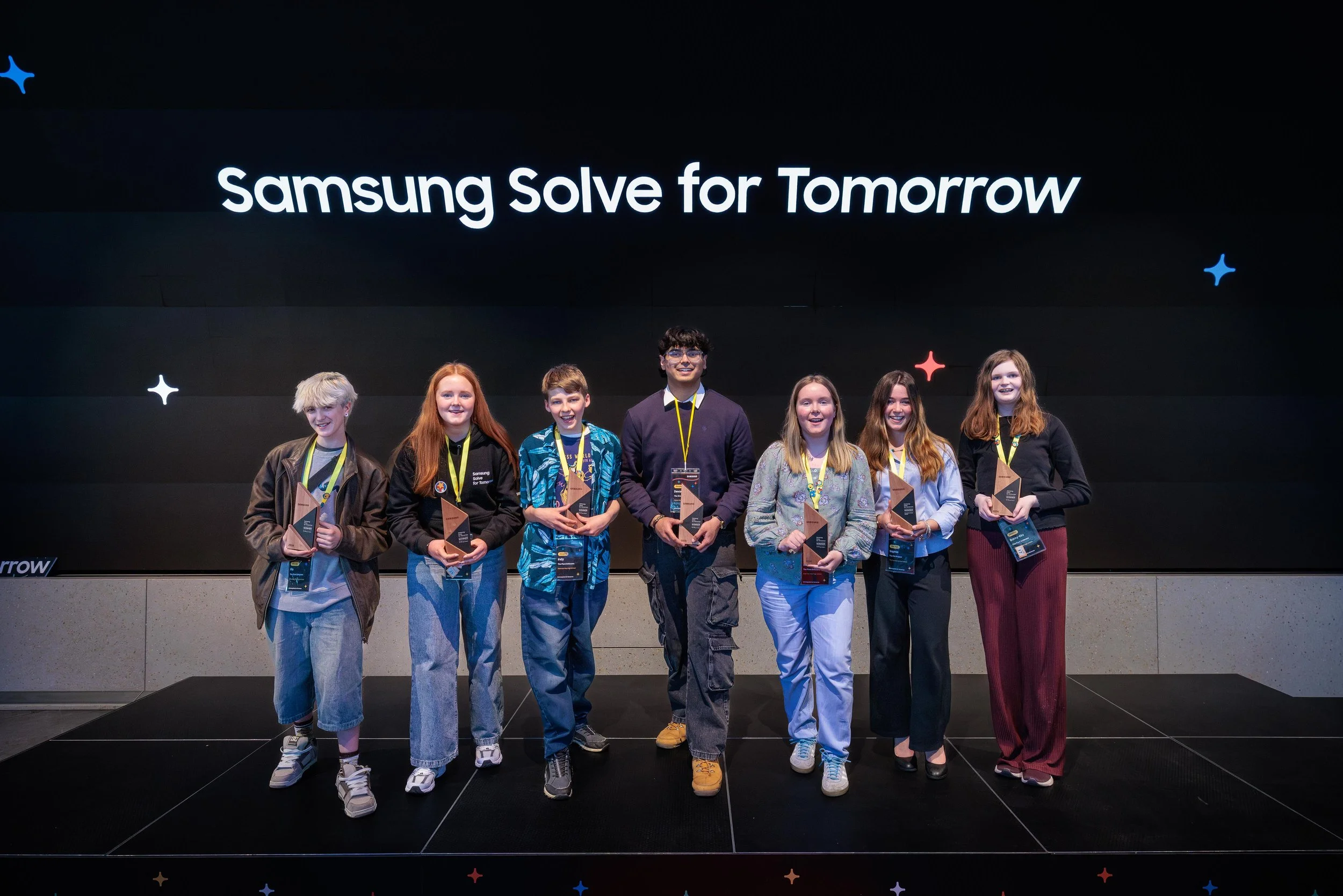
Samsung Solve for Tomorrow has named its 2025/26 student winners, with teams recognized for technology-led ideas addressing asthma prevention, wound care, green living, and marine protection
Samsung Electronics UK has announced the winners of its sixth annual Solve for Tomorrow competition, alongside new research showing that more than 200,000 UK teenagers already identify as founders and many are using AI tools to support their ventures.
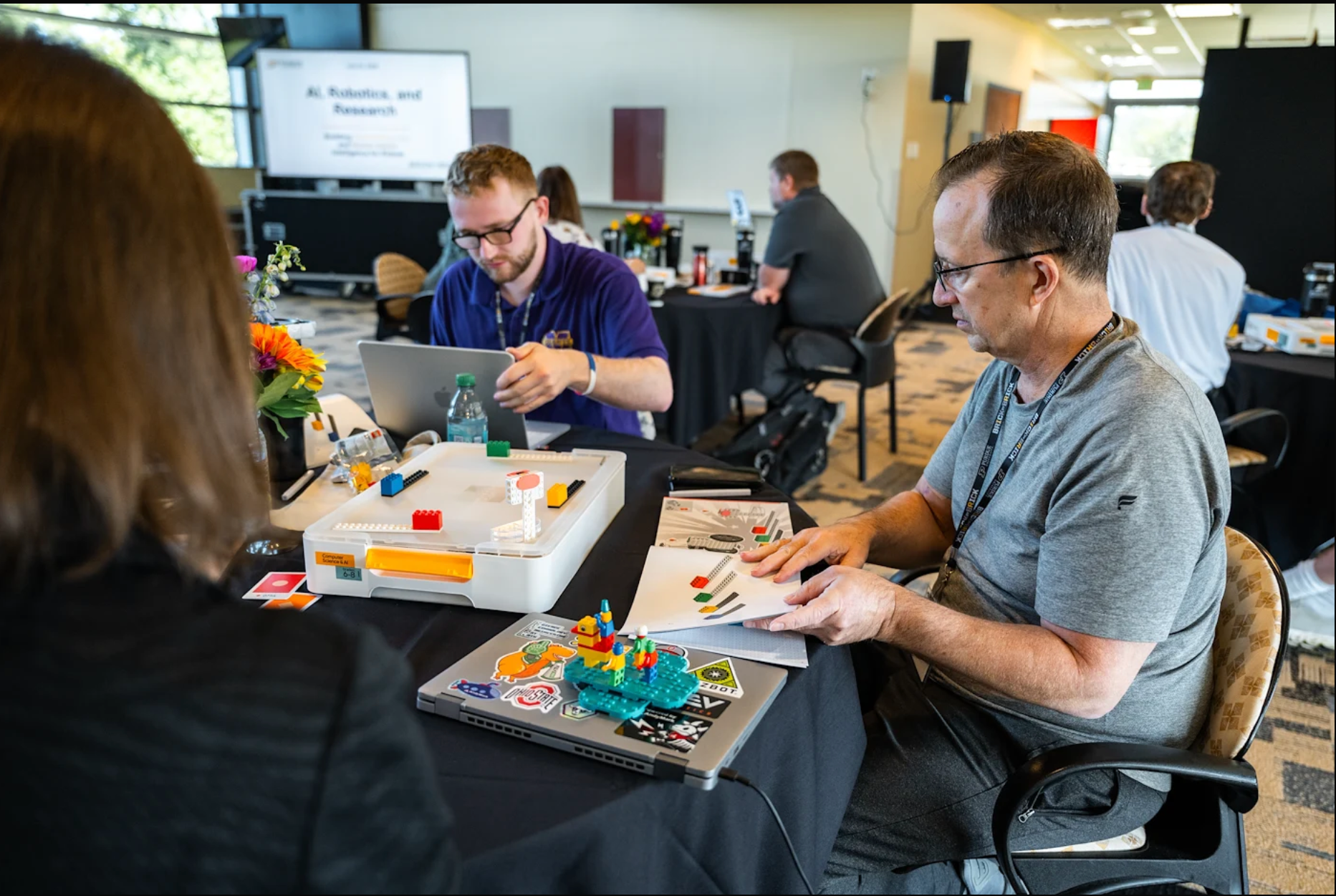
This year’s competition received 2,185 eligible entries, with 984 teams taking part in design thinking workshops, market research, and a new physical prototyping session. Nine finalist teams were shortlisted before pitching their ideas at Samsung KX.
Samsung Solve for Tomorrow, delivered by Samsung Electronics UK and Hark, was recently named Best STEM Learning Solution at the ETIH Innovation Awards 2026. The free, curriculum-linked program supports students aged 11 to 18 across the UK and Ireland to develop technology-led responses to real-world problems.
Student winners focus on health and environment
The 11 to 14 age category was won by The Plant Enforcers, made up of Darcy-Ella, Flo, Indy, and Rosie from Norfolk. Their app encourages young people to explore nature, learn about plant species, start their own gardens, and earn points to care for a virtual pet.
Nell from County Limerick won the 14 to 16 age category with AsthmaSense, an early-warning system designed to predict the risk of an asthma attack by monitoring local air quality. The device connects to an app and alerts users so they can take preventative action before an attack develops.
The 16 to 18 age category was won by Devansh from London for The Green Cross, a handheld medical device that scans wound sites to monitor healing. The concept is designed to support remote wound assessment and help clinicians make treatment decisions while reducing the need for follow-up appointments.
Devansh says: “It was a really eye-opening experience – I got to talk to so many people about how I could design something to make their life better. I had no experience in med tech before, but with the people around me I really wanted to solve a problem that mattered. I’ve learned how to present, how to sell an idea, and to put myself out there – things I hadn’t done before. My advice to anyone thinking of entering next year: just go for it. As long as you have a genuine passion for it, you are good enough. It’s a really fulfilling experience, and if it doesn’t work out, it’s okay – it’s a learning process.”
The People’s Choice Award went to Sophie from The PAI Project, an app using satellite imaging and predictive AI to help protect marine habitats and resources from illegal fishing. Samsung says nearly 2,500 people voted through Samsung UK’s social channels.
Research points to teen founder activity
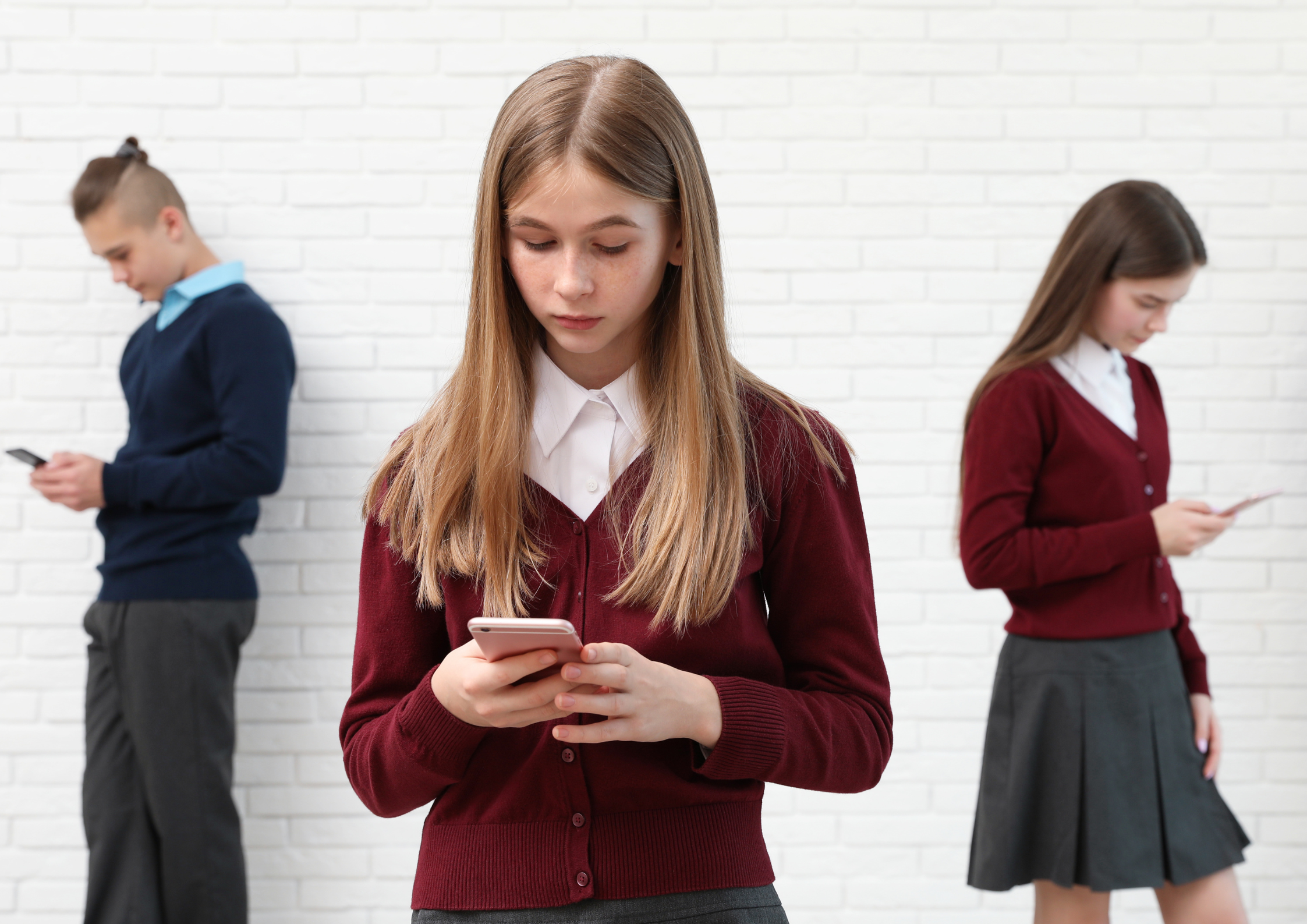
The competition results arrive alongside Samsung research conducted by Censuswide among 1,000 nationally representative UK consumers aged 14 to 18. The poll found that more than 200,000 UK teens already identify as founders, running a business or serious side hustle.
Fifteen percent of respondents are building businesses specifically to solve real-world problems, while 90 percent say they face barriers to growing or starting a venture.
Among teen founders, 84 percent use AI tools to help run their venture. Samsung’s research found that 34 percent use AI to generate ideas and 27 percent use it to automate tasks.
The data also shows teenagers developing practical skills through a mix of formal education and informal learning. More than half of respondents, 52 percent, say formal education has given them practical skills, while 44 percent are supplementing their education through social media. Others are using online communities and independent courses.
For schools, the research gives the Solve for Tomorrow program a clear context. Many students are already experimenting with business ideas, AI tools, and online learning outside the classroom, but most still report barriers to turning that activity into a structured venture.
Program reopens for 2026/27
Samsung Solve for Tomorrow has now reached more than 339,426 young people and a third of secondary schools across the UK and Ireland. Across its history, 7,618 tech-for-good ideas have been entered.
The program provides lesson slides, worksheets, an ideation activity bank, mentoring, CPD webinars, and a condensed delivery route for teachers. It is designed for use across design and technology, STEM, PSHE, enrichment days, form time, and assemblies, and supports Gatsby Benchmarks, Ofsted Personal Development requirements, and updated statutory careers guidance for secondary schools.
Soohyun Jessie Park, Head of Corporate Social Responsibility at Samsung Electronics UK, says: “Solve for Tomorrow continues to empower young people to reflect on what truly matters to them whilst simultaneously channelling their passion into tangible action. We speak to young people every day as part of the programme, and their drive and passion to make the world a better place through technology is awe-inspiring. The standard of entries continues to climb, and we can’t wait to see where our winners go next and the impact their inventions have on society.”
Colin Smethurst, Head of Computing at Byrchall High School, says: “Samsung Solve for Tomorrow is an excellent way to challenge your students to think creatively in new contexts. It’s a great opportunity to apply STEM skills, and students often find the challenges very relevant to their experiences with consumer tech. I’d encourage any teacher to introduce their students to the programme - it’s an enriching experience and may even spark future career aspirations!”
Teachers of shortlisted and winning teams can receive Samsung technology, including a Samsung Galaxy Tab A for teachers of semi-finalist teams and a Samsung Galaxy Book for teachers of winning teams. Schools can also earn an AI Interactive Whiteboard, Samsung OLED Smart TV, and Samsung Certified School recognition.
Samsung Solve for Tomorrow reopens for registrations in June.